Growing food at home is also possible in small areas
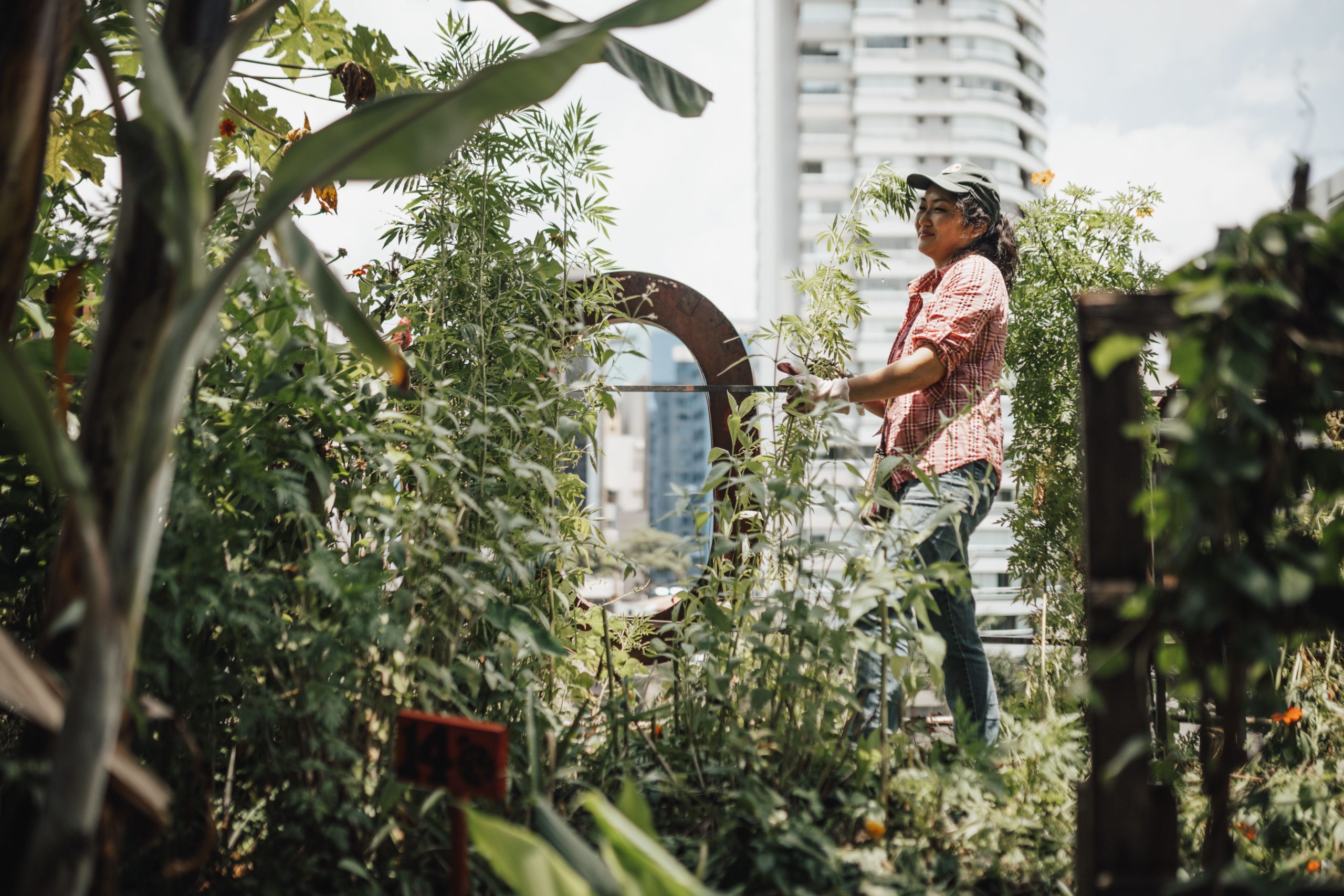
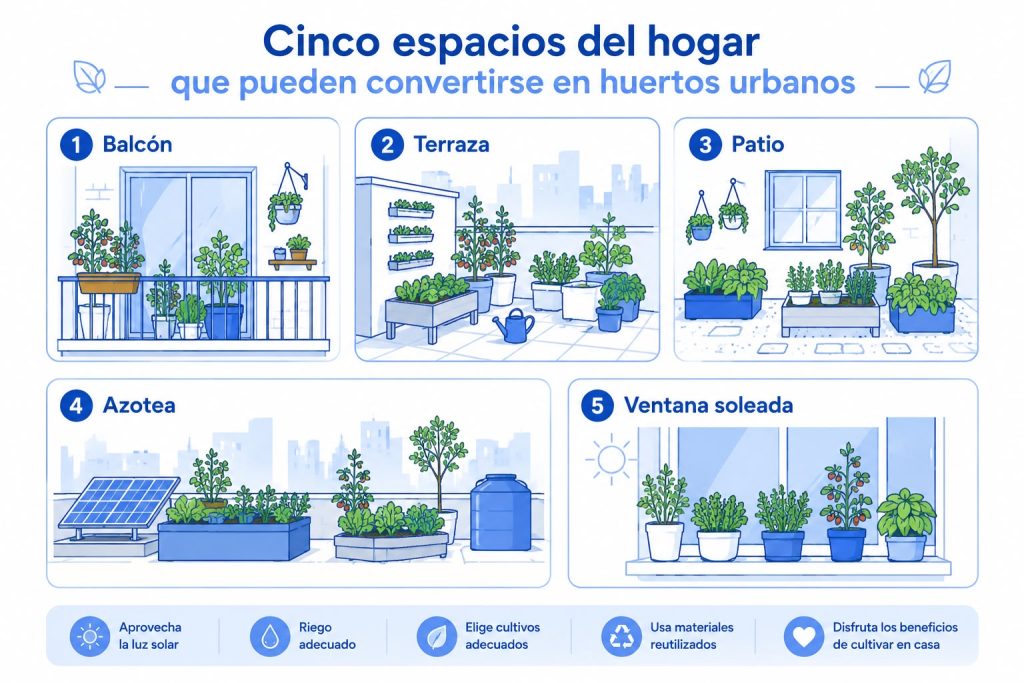
SANTO DOMINGO – Balconies, terraces, patios, and rooftops can become more than just places to relax or decorate. In these corners of the home, it's possible to grow fresh food using systems adapted to small spaces, a practice that is gaining popularity among those looking to make better use of their homes and adopt more sustainable habits.
In addition to making use of spaces that in many cases remain unused, growing food at home can generate benefits in terms of nutrition, well-being and family life.
According to the manual "A garden for everyone", prepared by the Food and Agriculture Organization of the United Nations (FAO), planting food at home contributes to a more balanced diet, strengthens family ties and allows food to be produced safely and healthily.
But the benefits of this practice are not limited to production. Several studies have also linked gardening and home growing spaces with improvements in well-being and mental health.
This is reflected in the report "The benefits of gardening and growing food for health and well-being," prepared by researchers Ulrich Schmutz and Margi Lennartsson, from the organizations Garden Organic and Sustain.
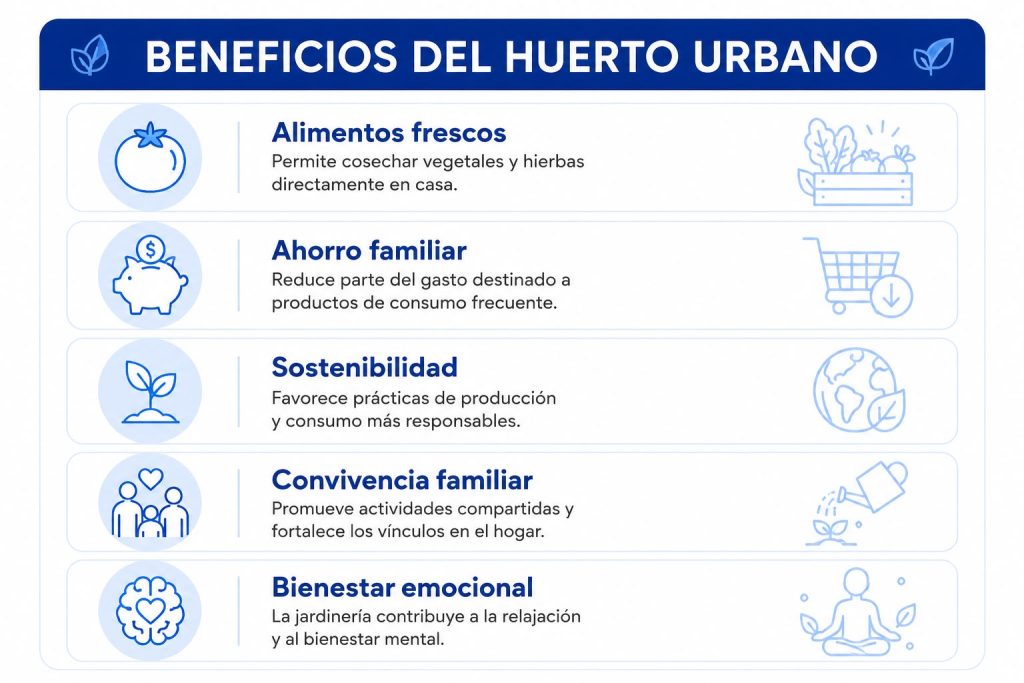
“Gardens, as well as gardening, have been shown to have a positive impact on people’s health and well-being, resulting from both the physical activity they involve and the use of the garden as a space for relaxation and mental stimulation,” the authors note.
Tropical advantage
The Dominican Republic has favorable conditions for this type of initiative. The “Dominican Republic Agricultural Sector Report 2023,” commissioned by the Netherlands Business Agency, highlights that the tropical climate and diverse ecosystems allow for the cultivation of a wide variety of agricultural products.
This reality allows numerous species to develop for much of the year, an advantage that opens up opportunities for those who wish to incorporate cultivation areas in patios, balconies, terraces or rooftops.
Make the most of the space
Although the traditional image of a vegetable garden is often associated with large expanses of land, expert organizations agree that size is not necessarily a limiting factor. The FAO points out that the ideal space will depend on the available dimensions and how they are used.
Even when the area is small and does not allow the production of all the food consumed by a family, it can still provide fresh and nutritious products, as well as represent savings for the household.
Among the most commonly used alternatives are raised garden beds, recommended when available land is limited because they allow for better use of the surface area.
Another option is hydroponic systems, a technique that uses potable water and clean substrates to grow vegetables. This method can be installed on roofs, walls, and terraces, requires little space, and offers high yields.
As an example, the organization indicates that one square meter of soil can produce around nine lettuces, while the same area used for a hydroponic system can yield up to 25 units.
Growing on a small scale
There are also simpler and more accessible solutions. The RUAF Foundation, an international organization specializing in urban agriculture and sustainable food systems, highlights the use of containers such as pots, buckets, grow bags, repurposed bottles, and even some recycled materials.
The organization explains that almost any vegetable can be grown in shallow beds or containers. Lettuce, for example, requires about 15 centimeters of depth, while tomatoes need approximately 20 centimeters. Small fruit trees can even be grown in larger containers.
Residential green space
Spaces designated for cultivation can also add value to the residential environment. According to RUAF, green roofs and productive rooftops help reintroduce nature into “densely urbanized areas” and can contribute to the creation of green space networks within cities.
When designing these areas, specialists recommend taking into account factors such as sun exposure, access to water, safety, circulation areas, and the weight that terraces and rooftops will have to support.
Recommended readings: