


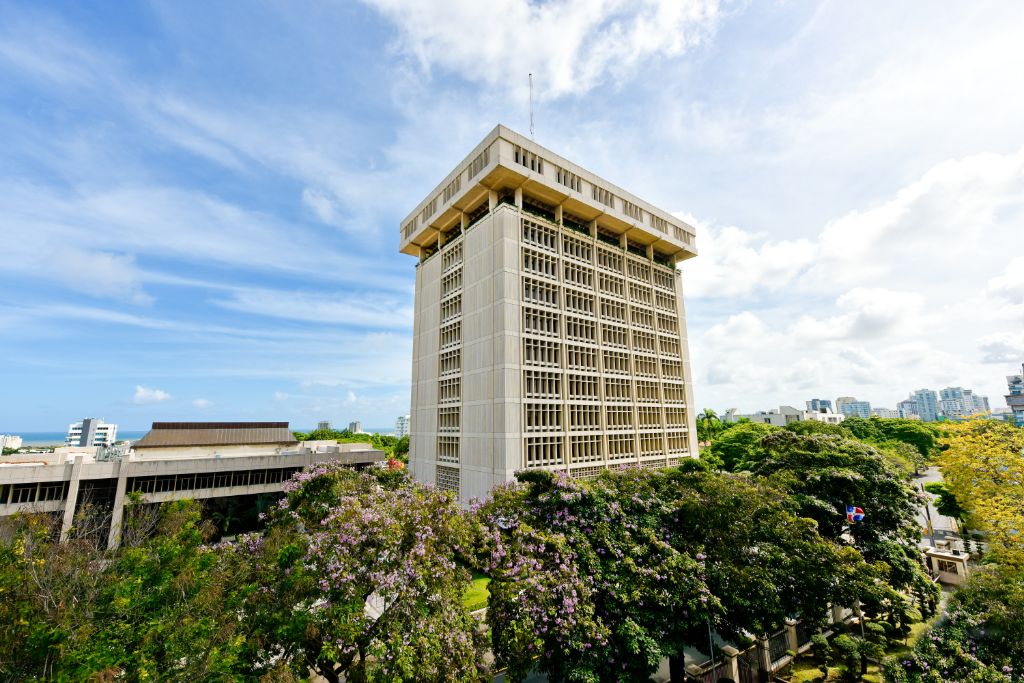
SANTO DOMINGO.– The Central Bank of the Dominican Republic (BCRD) reported yesterday, Thursday, August 6, that year-on-year inflation measured from July 2025 to July 2026 decreased by 0.20 percentage points to 5.47%, after reaching 5.67% in June 2026. According to the institution, this constitutes a sign of the beginning of the convergence process towards the target range of 4.0% ± 1.0% in a context where expectations remain anchored to the target in the policy horizon.
The monetary authority reported that the consumer price index (CPI) registered a monthly variation of 0.19% in July 2026, reflecting a decrease in the rate of price growth, as it was 0.14 percentage points below the average monthly inflation rate of the first six months of this year.
It also highlights that this behavior was influenced by the monthly variation of the Transport (-0.14%), explained mainly by the latest reductions in fuel prices such as regular and premium gasoline, diesel and liquefied petroleum gas (LPG), arranged by the Government through the Ministry of Industries, Commerce and MSMEs (MICM).
The regulatory body explains that core inflation rose 0.30% month-on-month in July compared to June. Year-on-year, it remained at 4.96%, within the target range of 4.0% ± 1.0% set by the Central Bank. This indicator, which provides clearer signals for monetary policy, excludes certain items that do not typically reflect liquidity conditions in the economy, such as food with highly volatile prices, fuels, and services with regulated prices like electricity and transportation, as well as alcoholic beverages and tobacco.
Variation by groups
Analyzing the monthly evolution of the CPI for July 2026, it is observed that the recorded variation was mainly due to price increases in the Food and Non-Alcoholic Beverages, Restaurants and Hotels, Miscellaneous Goods and Services, Furniture and Household Goods, and Health groups. In contrast, price decreases in the Transportation and Clothing and Footwear groups partially mitigated inflation for the month.
The document states that the Food and Non-Alcoholic Beverages group showed a rate of 0.23%, mainly due to price increases in fresh chicken, potatoes, rice, yams, purified water, and other items. Conversely, price reductions in chili peppers, eggs, limes, tomatoes, green plantains, garlic, and green bananas, among others, helped moderate the group's performance and its contribution to the monthly variation in the CPI.
The Consumer Price Index (CPI) for the Restaurants and Hotels group experienced an inflation rate of 0.54%, reflecting price increases in food services prepared outside the home, particularly the daily special and grocery delivery with side dishes. Regarding Miscellaneous Goods and Services, these showed a rate of 0.42%, stemming from price increases in personal care services, notably haircuts, washing, and styling.
The Furniture and Household Goods group registered a variation of 0.45%, explained by price increases in household cleaning and maintenance products. Similarly, the Health group saw an inflation rate of 0.38%, as a result of price increases in some pharmaceutical products prepared outside the home.
The Transportation group showed a variation of -0.14%, driven by reductions in the prices of regular and premium gasoline, as well as diesel. Similarly, decreases were observed in automobile prices as a result of the appreciation of the Dominican peso against the US dollar. Conversely, vehicle repair services, airfares, and urban bus, motorcycle taxi, and shared taxi fares experienced increases that partially mitigated the group's negative impact on the overall CPI.
Tradable and non-tradable goods
The CPI for tradable goods showed a rate of -0.11% in July 2026, explained by adjustments in regular and premium gasoline, diesel, and some food items. The index for non-tradable goods and services reported an inflation rate of 0.49%.
Inflation by income quintiles
The inflation measurement by quintiles reflected inflation rates of 0.18% in quintile 1, and 0.17% in quintiles 2 and 3. Quintiles 4 and 5 showed variations of 0.18% and 0.13%, respectively. It is important to note that the behavior observed in quintile 5 is due to a smaller impact from the price increases seen in the Food and Non-Alcoholic Beverages group.
Recommended readings:







