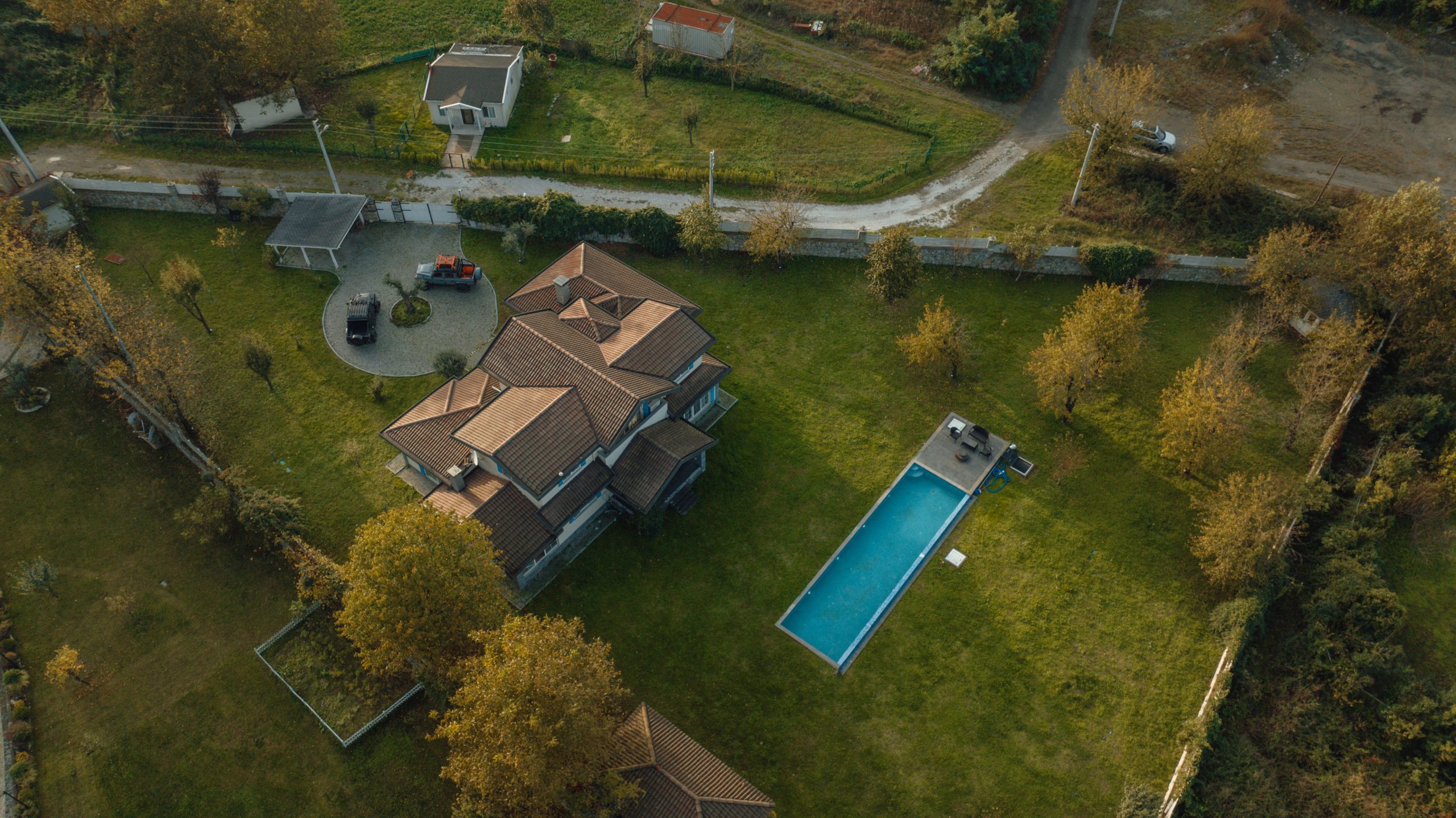
SANTO DOMINGO – Infinity pools, fully equipped gyms, children's play areas, pet areas, and panoramic terraces. In recent years, amenities have gone from being an exclusive luxury to becoming a key component of many real estate projects. But do they really increase a property's value, or are they simply a strategy to make it more attractive?
When the buyer is looking for more than just a home
The answer seems to be related to a change in the way people understand the concept of home.
According to the Mexican developer Tierra y Armonía, amenities are additional elements that go beyond a property's basic features and have the capacity to significantly increase its appeal and value. The firm maintains that these features can directly influence a property's perceived value by offering benefits that enhance the daily experience of its residents.
In other words, today's buyer is not just looking for square footage; they are looking for comfort, well-being, and services that complement their lifestyle.
Which amenities generate the most value?
Not all amenities have the same impact. According to Tierra y Armonía, facilities such as gyms, swimming pools, green areas, recreational spaces, and well-designed common areas often become differentiating factors in an increasingly competitive market. These features not only improve the quality of life for residents but can also increase the interest of prospective buyers.
AFMP Desarrollos, a developer, shares a similar conclusion , identifying amenities as an added value capable of increasing the appreciation of a real estate project. The company points out that well-designed basic services, adequate access, parking, functional common areas, and recreational spaces all contribute to strengthening the appeal of a long-term investment.
Do all amenities generate profitability?
The Dominican portal Solucasa, specializing in real estate investments, warns that some amenities are highly valued by the market, while others have a more limited impact on the actual profitability of a property.
In tourist destinations like Punta Cana, for example, elements such as access to a private beach, golf courses, 24-hour security, quality social areas, and a strategic location close to tourist areas usually have a direct influence on occupancy, demand, and property valuation.
Amenities frequently used in marketing campaigns, however, may generate a good initial impression, but do not necessarily translate into higher revenues or a sustained increase in resale value.
The most important amenity might be outside the project
Paradoxically, some of the characteristics that most influence the value of a property are not always found within the residential area.
Various studies of contemporary urban planning have shown that factors such as connectivity, proximity to educational centers, health services, shops, public spaces and green areas have a significant influence on the perceived value of a home.
International organizations such as the World Bank have indicated that the quality of the urban environment plays an increasingly important role in residential decisions, especially in cities experiencing accelerated growth processes.
Therefore, a swimming pool can be attractive, but a good location usually retains its value for longer.
Are we buying amenities or quality of life?
Market trends suggest that buyers are no longer simply looking for a place to live. The growing popularity of coworking spaces, pet parks, walking trails, and wellness areas reflects profound changes in lifestyles and work habits. These amenities respond to new needs, but also to new expectations.
More than just an architectural complement, they have become a tool to differentiate projects and attract increasingly demanding buyers.
Recommended readings: