


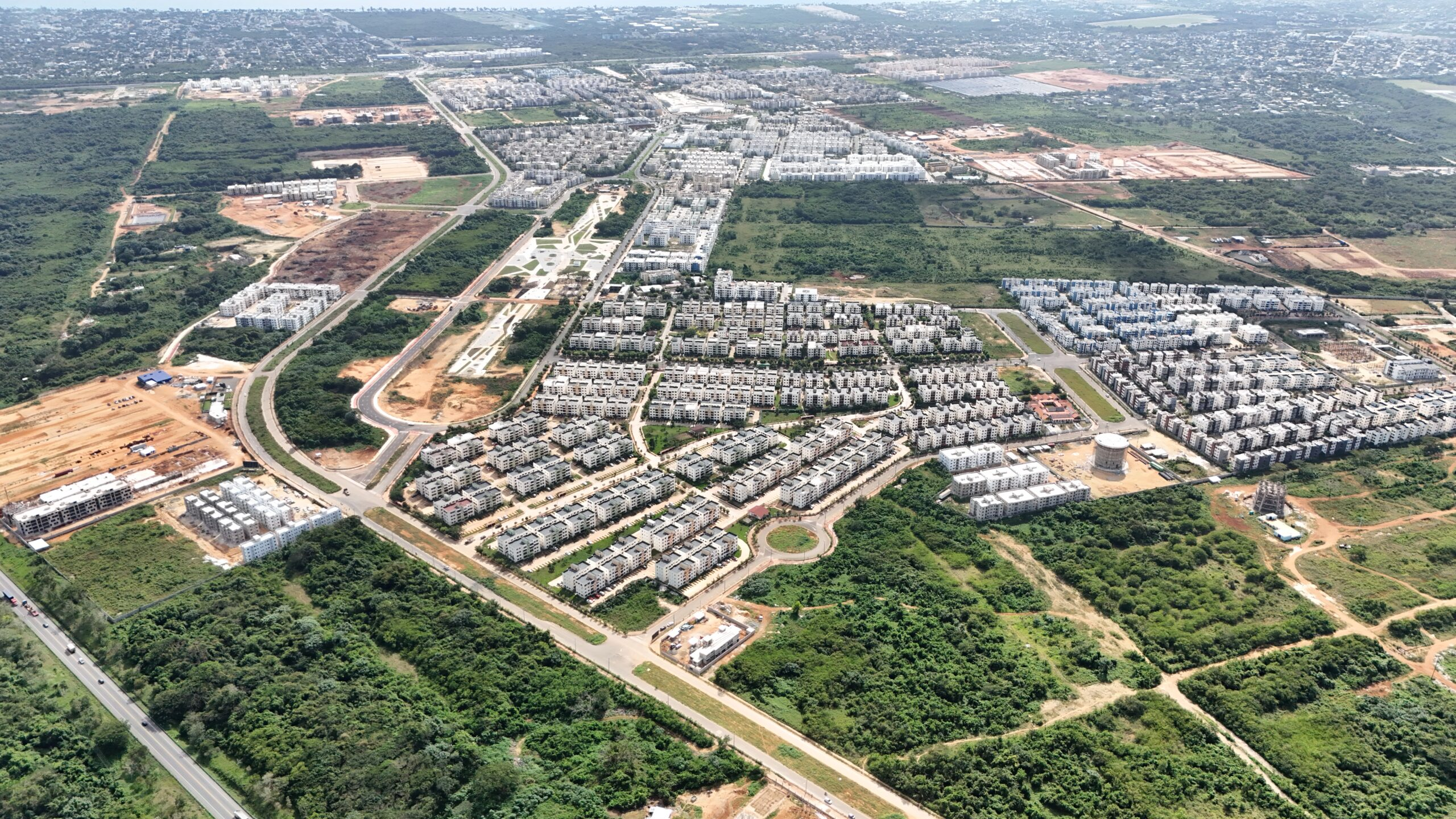
Law 189-11 introduced the concept of the trust into Dominican law and laid the legal foundations for the large low-cost housing projects that would come later, under a different government
SANTO DOMINGO. – On July 16, 2011, just thirteen months before handing over power, Leonel Fernández enacted Law 189-11, for the Development of the Mortgage Market and the Trust, published in Official Gazette No. 10628.
It was the first time that Dominican law formally incorporated the concept of a trust, a mechanism by which a person transfers assets to a separate estate, managed by a third party, with a purpose and beneficiaries defined beforehand.
The law did not limit itself to defining that legal figure, but dedicated a specific section, starting from its article 129, to what it called Low Cost Housing Projects, defined as housing solutions whose sale price did not exceed two million pesos, an amount subject to annual adjustment for inflation.
To qualify for the benefits of the law, each project first had to obtain accreditation from the National Housing Institute, a requirement that the Executive Branch itself would regulate through Decree 359-12.
The central incentive of the rule was fiscal: the trusts dedicated to building these homes were exempt, in their entirety, from income tax and capital gains tax, from any tax on bank transfers and checks, from real estate property tax and from taxes related to the construction, transfer and registration of real estate transactions.
Buyers of these homes, for their part, would receive a bonus equivalent to the compensation of the tax on the transfer of goods and services, ITBIS, paid during construction, which could be applied as part of the down payment.
The financing scheme established by the law can be summarized in three acronyms that would become popular in the following years: Savings, Bonus, Credit, ABC. Those aspiring to low-cost housing had to open a programmed savings account, through which their employer withheld up to 30% of their salary monthly, then receive the bonus derived from the exemption of the ITBIS (Value Added Tax), and finally access a mortgage loan to complete the payment, using their own home as collateral.
The law also provided for two types of trusts: a public, or parent, trust in which the State participated by contributing land, permits and resources, and other linked trusts of a private or mixed nature, which would operate under the same general rules.
This distinction would prove key later on, when the parent trust served as the legal basis for the Ciudad Juan Bosch project, the largest housing complex built in the country under this modality, during the following government, that of Danilo Medina.
During the remaining time in Fernández's term, between July 2011 and August 2012, no land grants or construction contracts were registered under this new legal framework, according to Ciudad Alternativa's investigation of the period.
The first allocation of state-owned land to construction companies under Law 189-11 occurred in March 2015, almost four years after its enactment and well into Medina's administration. In other words, the law that Fernández signed did not result in a single house being built during his own presidency. However, it did lay the groundwork for the legal and fiscal instrument that his successor would use to undertake the most ambitious social housing project the country has seen in the 21st century.
Sources: Law No. 189-11, for the Development of the Mortgage Market and Trusts in the Dominican Republic, of July 16, 2011, Official Gazette No. 10628. | Decree No. 359-12, Regulations for the Accreditation of Low-Cost Housing. | Ciudad Alternativa, “The Marks of Housing Policy: Housing, Human Rights and Taxation in the Dominican Republic, 2000-2016” (Santo Domingo, September 2017), Chapter I, section 1.4.3, subsection d.
Recommended readings:







