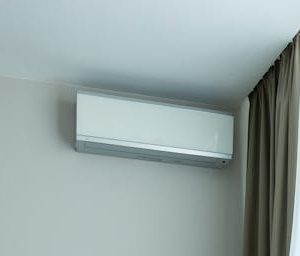
SANTO DOMINGO. With high temperatures, air conditioning has become one of the main ways to keep homes and workplaces cool. However, its frequent use also raises questions about which practices actually help reduce electricity consumption.
One of the most common questions is whether constantly turning the air conditioner on and off can increase or decrease energy consumption. According to an article published by the blog La Razón, the belief that each time it's turned on, it causes excessive consumption doesn't necessarily reflect how modern units work.
Modern systems, especially those incorporating inverter technology, can regulate compressor power according to cooling needs.
It indicates that this allows the operating intensity to be reduced once the selected temperature is reached.
In this regard, if a home will be empty for several hours, turning off the air conditioning can prevent unnecessary energy consumption. However, for very brief absences, maintaining a stable temperature could be an alternative, depending on the unit and the property's conditions.
Temperature also plays a role
One of the most common mistakes is setting the air conditioning to temperatures that are too low, especially after arriving home in the heat.
According to information released by Mitsubishi Electric, setting an excessively low temperature does not mean the room will cool down faster. On the contrary, it can force the unit to work harder, increasing energy consumption.
The company indicates that keeping the temperature between approximately 24 and 26 degrees Celsius can contribute to more efficient use of air conditioning.
In addition, some technologies incorporated into certain equipment allow for optimized performance.
Dirty filters also increase the strain on the equipment
Mitsubishi Electric states that another often overlooked aspect is maintenance. Filters clogged with dust and dirt can hinder air circulation and force the unit to work harder to reach the set temperature.
Therefore, cleaning the filters regularly is one of the basic measures to maintain air conditioner performance and avoid unnecessary energy consumption.
It's also important to pay attention to the installation. The indoor unit should be located where it can distribute air evenly, while the outdoor unit needs sufficient ventilation and, if possible, protection from direct sunlight.
Leveraging technology can help
Modern air conditioning units increasingly incorporate tools to control energy consumption. Some units allow you to program schedules, control the air conditioning via Wi-Fi, and set the temperature before arriving home.
Mitsubishi also highlights the use of smart sensors that detect the presence of people and can modify the direction of airflow to improve comfort and avoid unnecessary operation.
In this sense, energy savings do not depend solely on turning the air conditioning on or off, but on a combination of factors: the selected temperature, the operating time, maintenance, the characteristics of the building and the technology of the equipment.
Therefore, rather than assuming that every time it is switched on, the best approach is to use air conditioning according to the actual needs of the space and adopt practices that allow you to maintain comfort without wasting energy.