


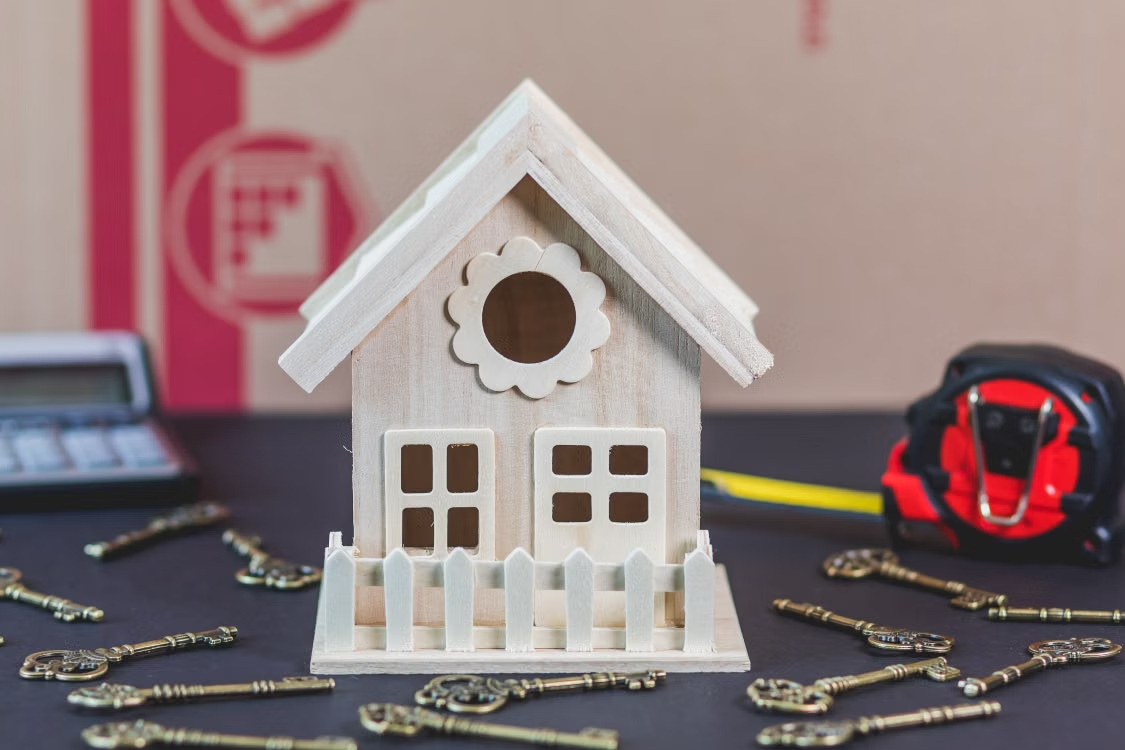
The Dominican Republic is experiencing an extraordinary period of real estate expansion. But the growth of an industry shouldn't be measured solely by the number of projects it develops or the units it sells
The Dominican Republic has proven its ability to build. A visit to Santo Domingo, Santiago, Punta Cana, and other development hubs is enough to witness the transformation of the real estate landscape. New projects, residential concepts, tourism developments, and investment opportunities reflect the capabilities achieved by our industry.
But perhaps the time has come to ask ourselves a different question: are we only building real estate projects or are we also building markets?
They are not the same. A project is built on land. A market is built on trust.
A project needs planning, capital, permits, design, and execution. A market also needs clear rules, solid institutions, qualified professionals, reliable information, legal certainty, and the ability to coordinate among its participants. And that's precisely where the next big leap for the Dominican real estate sector might lie.
For years we have measured our growth using naturally important indicators: projects developed, units sold, investment attracted, new destinations, and square meters built. All of this points to a dynamic industry. But the maturity of a market is also measured by the trust it inspires, the quality of its professionals, the transparency with which information circulates, the strength of its institutions, and its capacity to prevent conflicts.
Because the real estate market doesn't belong to a single player. Developers need land, financing, professionals, and buyers. Builders need viable projects. Financial and trust institutions need properly structured transactions. Real estate agents need reliable properties to bring to market. Lawyers provide structure and preventative measures. Investors and buyers need confidence. And public institutions create an essential part of the framework within which we all operate.
Nobody builds a market alone
Each of these players has built significant areas of specialization and representation. The challenge of this new phase lies in further connecting these capabilities, because real real estate transactions ultimately bring us together around the same investment.
Therefore, perhaps the next stage of growth will require fewer isolated conversations and more collaborative discussions. This doesn't mean we all have to think alike. A mature sector isn't one where differences disappear, but rather one capable of transforming them into productive conversations and finding common ground around what benefits the market.
One of those points must necessarily be legal certainty. I have insisted for years that it should not be seen as solely a matter for lawyers. It is also an economic component of the real estate business.
Hence the concept I've been advocating for the past few days…Legal Added Value: understanding that a legally sound project not only reduces risks but also generates trust, sells faster, and adds value. But this same logic can be applied on a larger scale: an entire market also gains value when it strengthens its institutions, raises its professional standards, and builds trust among its participants.
Professionalization, then, cannot be limited to real estate agents. We certainly need better agents, but also better business processes, increasingly institutionalized developers, better-informed consumers, more prepared advisors, efficient conflict resolution mechanisms, and authorities capable of understanding the dynamics of a rapidly evolving industry.
That's building a market
Building a market also means understanding that when one player raises their standards, it can benefit the entire chain. A developer who structures their project correctly makes the agent's job easier. An agent who communicates responsibly protects the developer. A lawyer who identifies risks before a transaction protects all parties. An institution that establishes clear rules creates predictability. And a buyer who receives sufficient information can make better decisions.
Ultimately, we are all connected. Market professionalization will not occur when each player better defends their own space, but when we better understand how our decisions impact the rest of the supply chain.
Therefore, the growth the Dominican Republic is experiencing represents much more than an economic opportunity. It represents the opportunity to decide what kind of real estate market we want to build for the next twenty years: one capable of attracting investment, but also of protecting it; capable of selling, but also of delivering on its promises; capable of competing, but also of collaborating; capable of growing rapidly, but with a foundation solid enough to sustain that growth.
Perhaps the Dominican Republic's next big real estate development won't have a lobby, a pool, or even square footage. Perhaps it won't appear in a rendering. Perhaps it will be something much bigger: the development of our own market.
Because if there's one thing I'm sure of, it's that building buildings transforms cities. But building trust transforms industries.
Recommended readings:







