


Santo Domingo. – The director of the Santo Domingo Water and Sewerage Corporation (CAASD), Felipe “Fellito” Suberví, and the director of the National Institute of Drinking Water and Sewerage (Inapa), Wellington Arnaud, presented on the Presidency's Weekly Agenda yesterday, Monday, August 31, the main projects with which the government seeks to expand water storage and sanitize the country's coastal and tourist areas.
Suberví explained that, of the reservoirs that supply Greater Santo Domingo, only Valdesia functions as a real reserve and provides 33% of the water consumed by the capital; the rest of the sources, he said, lack sufficient storage capacity and lose water to the sea during the rainy seasons.
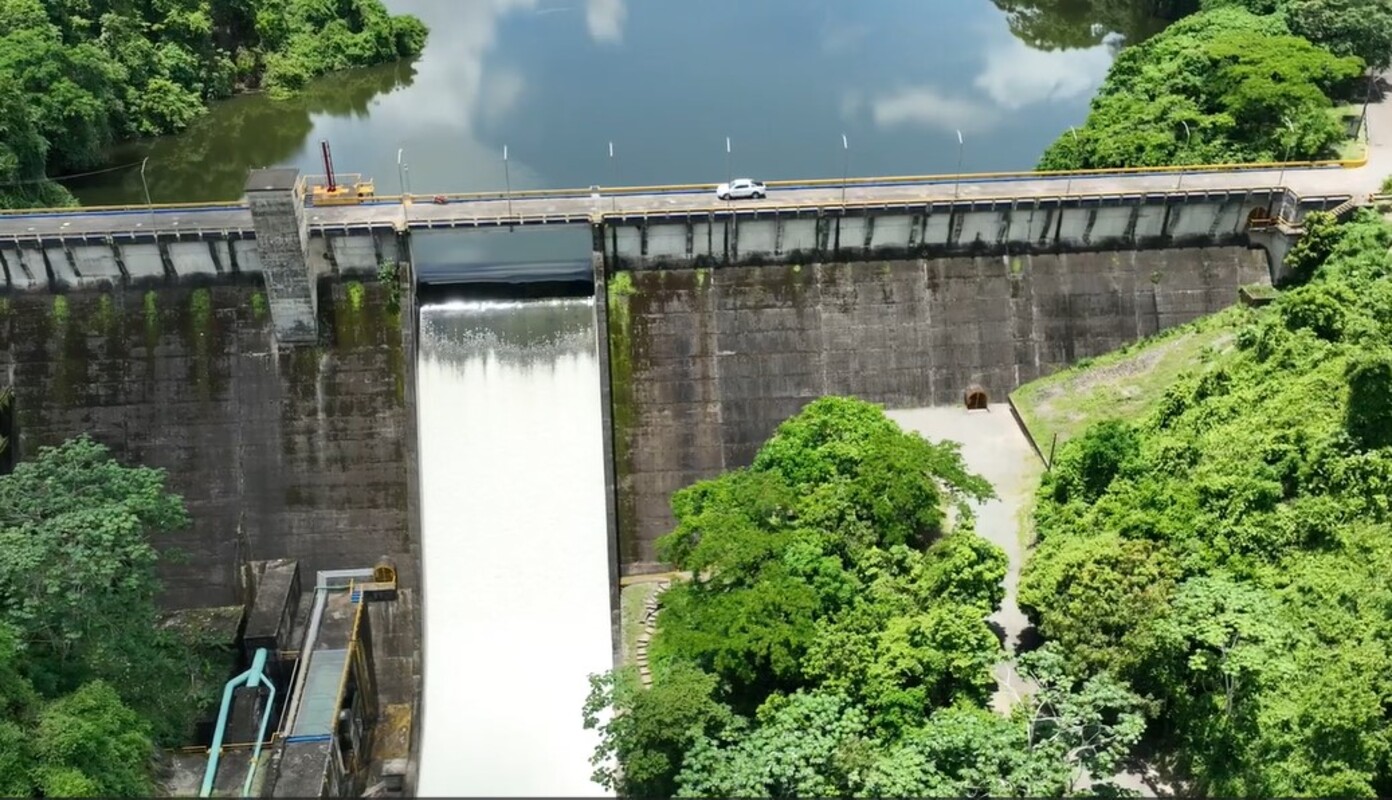
To correct this deficit, the government is moving forward with the construction of the Hatillo dam, designed by the recently deceased engineer Augusto Rodríguez Gallardo, with financing from the IDB, and is currently in the prequalification phase for construction companies.
The official estimated that the project will provide an additional 5.5 cubic meters of water per second, which would be distributed mainly to Santo Domingo and, to a lesser extent, to Cotuí.
He added that two other dams are designed, although without defined financing, one near Madrigal and another in the Yuna basin, which would contribute about 6 and 4 cubic meters per second respectively, in addition to the Joca dam, in Elías Piña, conceived for the agricultural irrigation of between 500,000 and 600,000 tareas.
Regarding the recurring complaints about water shortages in areas like Los Ríos, Suberví responded that CAASD serves four million inhabitants and that the specific complaints represent a minimal percentage of the total, while acknowledging the drought of the last five months.
He said the institution tripled its repair crews and that breakdown resolutions increased from an average of 400 per month to more than 10,000, with a service efficiency rate of between 85% and 90% according to internal surveys. He added that a recent census revealed 800,000 new customers not previously registered, making it urgent to strengthen both macro and micro metering in the system.
Arnaud, for his part, presented the universal sanitation project for coastal and tourist areas, which he described as the most ambitious in the country in this area.
The initiative, with an investment of US$400 million financed in part by the Inter-American Development Bank, includes sanitary sewerage and aqueduct in Punta Cana and Verón, and is already in the prequalification phase for companies.
Similar projects, though smaller in scale, are underway or planned in Boca Chica, San Pedro de Macorís, La Romana, and Higüey, with the goal of preventing wastewater from these coastal municipalities from polluting the beaches. Arnaud also mentioned the expansion of the Cibao Central Aqueduct, designed two decades ago, to separate Santiago's water supply from Moca's and alleviate pressure on a system facing Santiago's rapid population growth.
Recommended readings:






