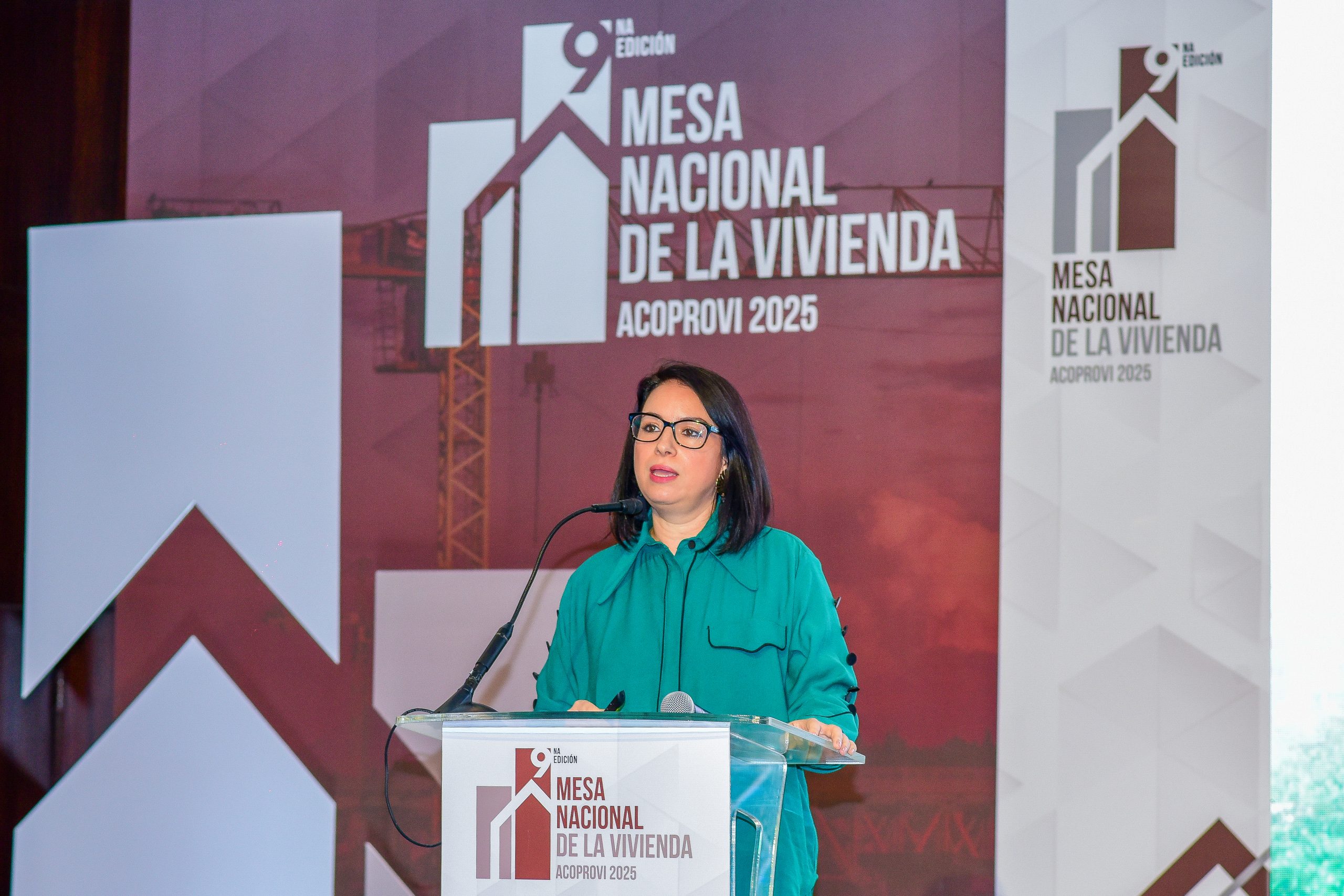
The architect presented a technological proposal that integrates data, design, and human behavior to improve urban planning.
SANTO DOMINGO. ArchitectMonique Céspedes presented a technological proposal that seeks to transform real estate development, with the goal of improving urban planning and responding to the real needs of those who live in cities.
Céspedes explained how tools such as simulation, pattern analysis, and personalization allow us to anticipate urban problems such as traffic, pollution, and inefficient land use.
Through a personal anecdote, he recounted how a vehicle's sensors detected driving hazards, activating preventative measures. The case illustrated how technology can protect us even before we're aware of a problem.
He also discussed the evolution of market research, which now identifies "tribes" with shared lifestyles. He mentioned groups like Lovebird Tourists and foodies, who seek unique experiences.
According to Céspedes, today's consumers value plurality: notonly profitability, but also diversity of uses, innovative design, and an emotional connection to the spaces they inhabit. This redefines real estate value.
People-centered urban design
During the same meeting, Céspedes emphasized that designing for people is key to smart urban planning. Human interaction generates data that helps improve the quality of life in cities.
He also mentioned that factors such as accessibility, gastronomic offerings, and public investment directly influence the added value of an area.
Their approach proposes that beyond infrastructure, design must respond to the human and emotional dynamics of those who inhabit the spaces.
These statements were made during the 9th National Meeting of the Dominican Association of Housing Builders and Promoters (ACOPROVI), held on October 14th in Santo Domingo.