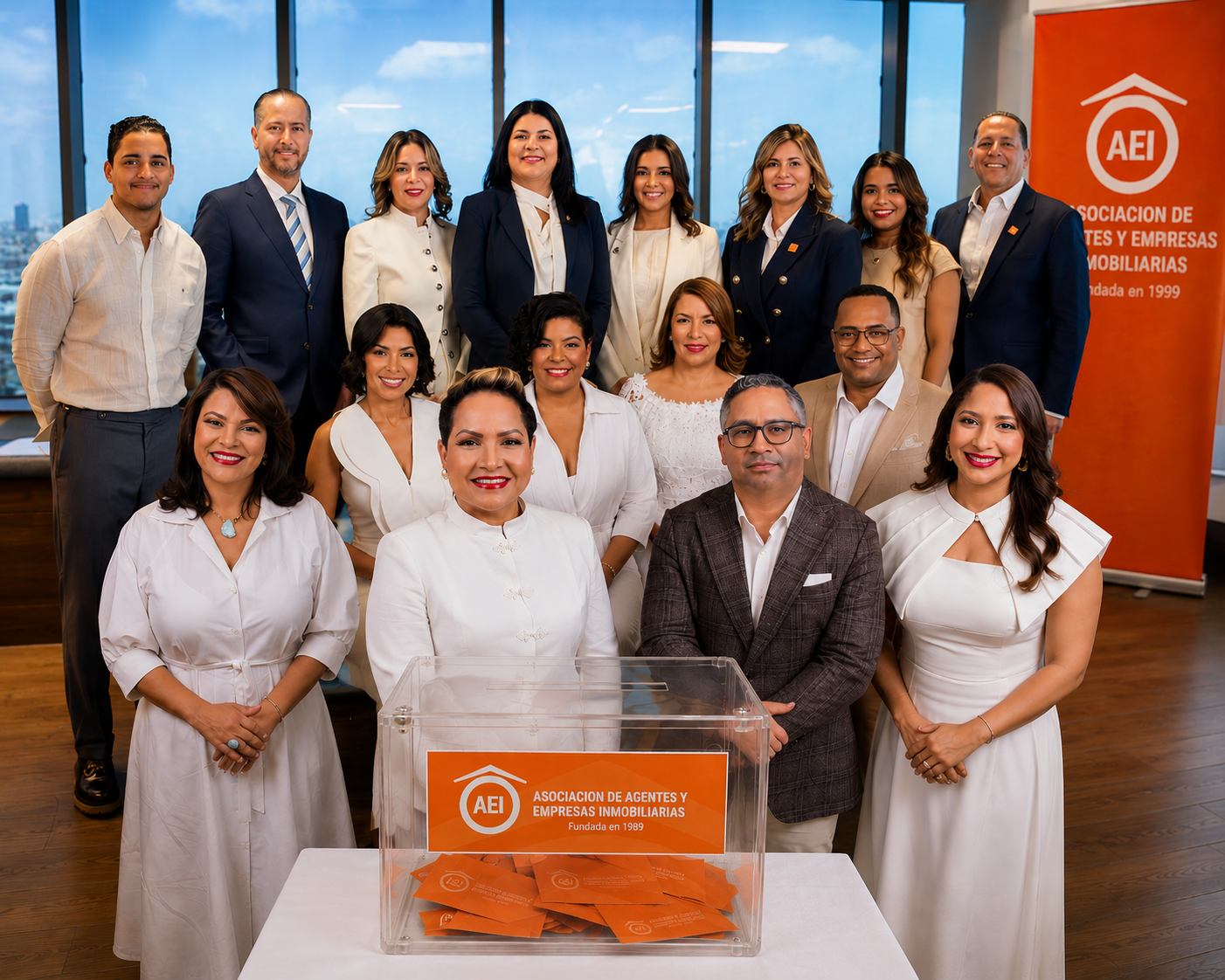
Both groups are headed by two prominent professionals in the real estate sector, with extensive knowledge and experience in the industry
SANTO DOMINGO.– At a time when the Dominican real estate sector faces new regulatory, institutional and legal security challenges, two groups are presenting their proposals to assume the leadership of the Association of Real Estate Agents and Companies (AEI) during the period 2026-2028.
Sectoral Alliance and Institutional Strengthening contribute to the process with proposals that, from their respective perspectives, seek to promote the professionalization of the sector, strengthen the institutional framework of the association, and foster greater integration among actors linked to the real estate market.
Among the topics on the agenda of the association are the regulation of real estate brokerage, customer trust, professional ethics, agent training, and the need to strengthen the AEI's representation in the face of the changes the industry is experiencing.
A commitment to consolidating progress and structuring the real estate ecosystem
The Sectoral Alliance , headed by Reyna Echenique , a lawyer specializing in real estate legal security , aims to continue the progress made by previous AEI administrations and move towards greater coordination among the various actors involved in the market.
Its vision is based on evolutionary continuity, institutionality, unity, sectoral alliance and legal certainty, with the purpose of strengthening the integration between real estate agents, developers, financial entities, public institutions, professional associations, families and investors.
“We believe in a real estate sector that functions as a true ecosystem, where real estate agents, developers, financial entities, public institutions, professional associations, families and investors work with common goals to strengthen the market and generate greater confidence for the benefit of all,” said Reyna Echenique, representing the group.
The proposal argues that current market challenges require joint efforts and the building of consensus to establish long-term relationships between the different sectors linked to real estate activity.
From this perspective, Alianza Sectorial proposes to consolidate the AEI as an articulating body of the Dominican real estate ecosystem, based on the premise that the transformations of the sector require the participation and cooperation of its various members.
Their management proposal is structured around five fundamental pillars, aimed at strengthening the institutional role of the association and responding to the new needs of the industry.
The team includes: Juan Estévez, Wendy Gómez, Wanda del Orbe, Belkys Cuello, Massiel Martínez, Luis Miguel Rosario, Giselle Ventura and
Richy Rojas.
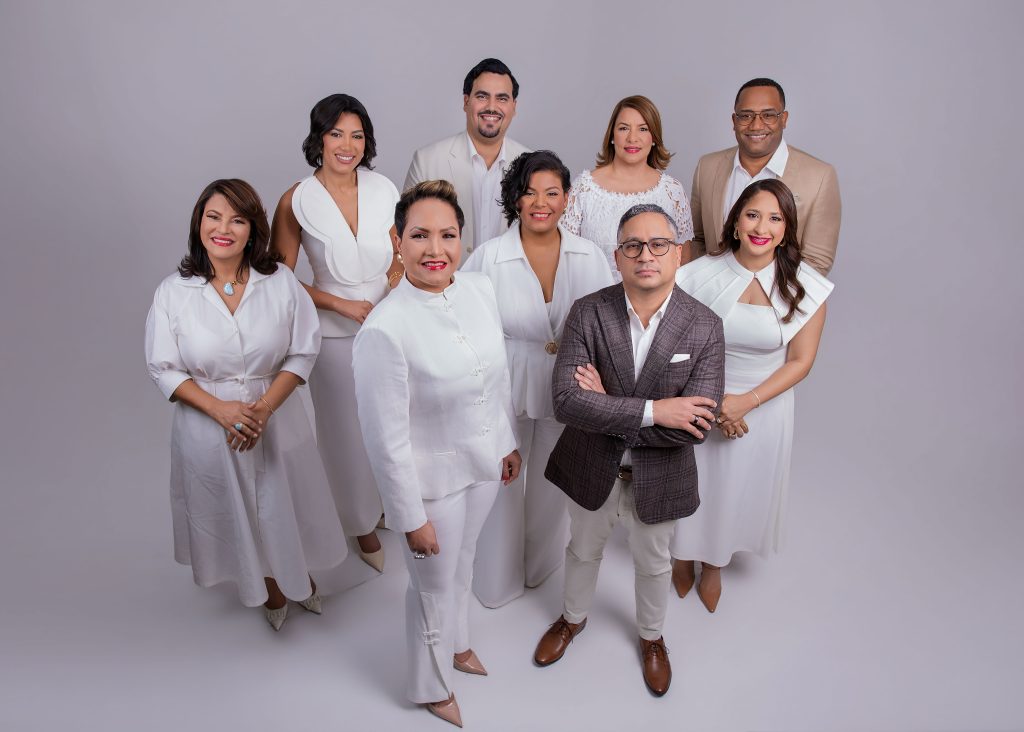
Proposal for professionalization, technology and ethical governance
Institutional Strengthening, headed by Claudia Castillo, a veteran real estate advisor who already held the presidency of the entity in the period 2018-2020, is presented as a proposal focused on the renewal, institutional continuity and professionalization of the Association of Real Estate Agents and Companies.
It is also made up of Marbel Lugo, Luz Sarmiento, Yamela de la Paz, Henry López-Penha, Hugo Pagán and Indhira Desangles, prominent businesspeople linked to the real estate sector.
Castillo's proposal seeks to promote a real estate ecosystem that generates opportunities and strategic alliances, while strengthening the institutional framework of the AEI and the unity among its members.
“We have a team of top leaders in the sector, with proven experience and a firm commitment in all our actions,” the members of the slate stated.
Among the main areas covered in its program are training and professionalization, technological innovation, institutional strengthening, representation and defense of the sector, as well as ethical governance.
Institutional Strengthening identifies among the challenges currently facing the industry mistrust, bad practices and certain legal situations that affect real estate activity.
The team believes that some of these difficulties are related to the absence of a specific legal framework that adequately regulates real estate brokerage and provides greater security for both professionals and other market participants.
In that regard, he points out that for several years representatives of the sector have promoted the creation of a real estate brokerage law and have participated in the work aimed at establishing a regulatory framework for this activity.
Among its proposals, Institutional Strengthening plans to continue promoting this initiative until the legislative process is completed and, subsequently, to actively participate in its regulation and application.
It also proposes to strengthen the AEI's institutional objectives related to establishing rules for conducting business, preventing unfair competition through disciplinary and conciliation mechanisms, and promoting cooperation among its members.
Another point raised by Institutional Strengthening is the need to strengthen the image of the formal real estate sector and improve the AEI's communication strategy, both towards its members and towards clients and developers.
The proposal highlights the importance of promoting due diligence before establishing business relationships. This includes clients and developers verifying the credentials of professionals responsible for marketing projects or properties, and real estate agents properly evaluating the developers they work with.
It also considers it necessary to continue investing in training, values and professional ethics, as well as strengthening the mechanisms to certify the identity and legality of associated agents.
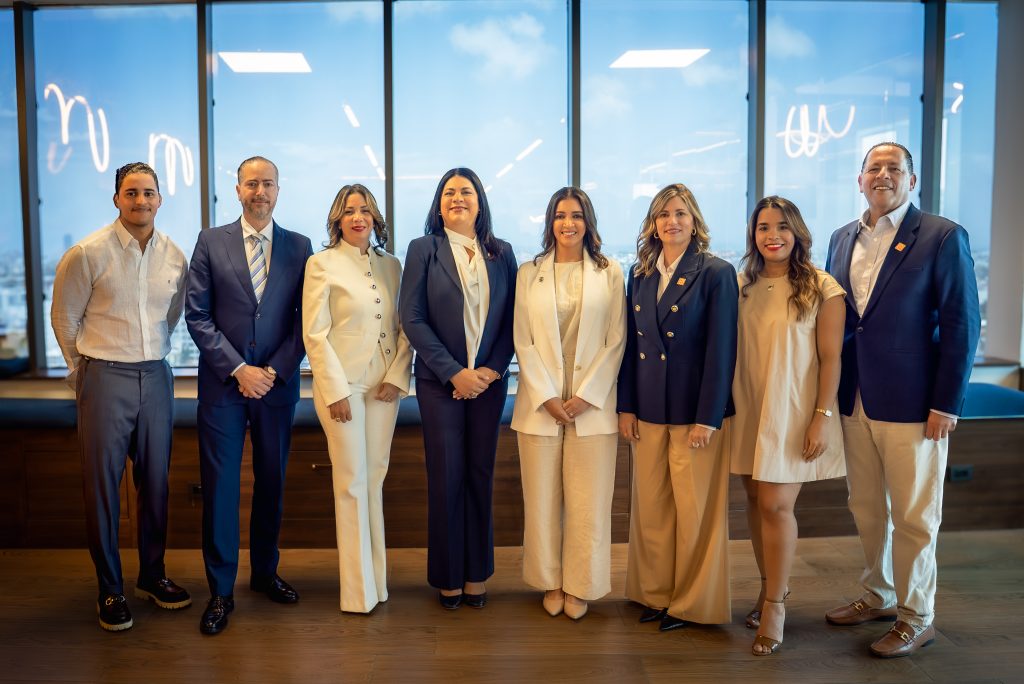
With their respective proposals, the Sectoral Alliance and Institutional Strengthening seek to assume leadership of the AEI from next October for the period 2026-2028, in a scenario marked by the need to advance in the regulation, professionalization, transparency and institutional strengthening of the Dominican real estate sector.