


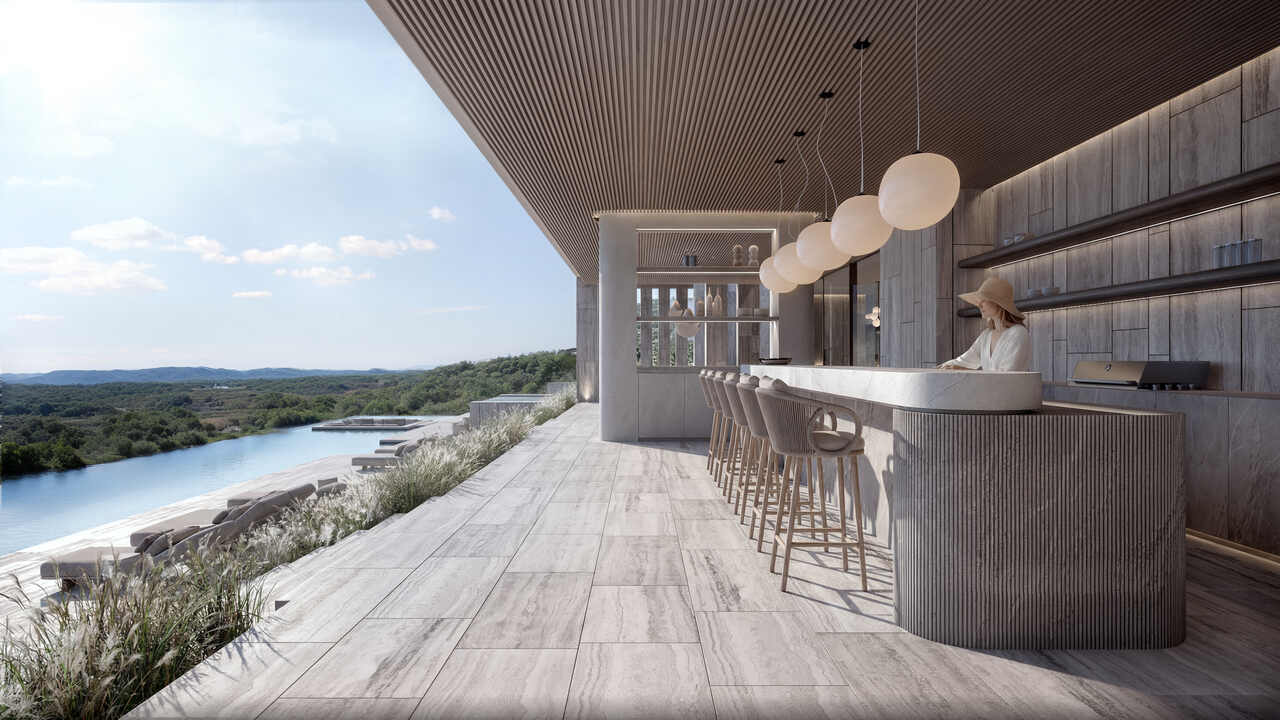
SANTO DOMINGO – For years, luxury in housing was associated with large dimensions, opulent finishes, and spaces filled with exclusive features. However, a new architectural trend is changing that perception. Now, well-being, tranquility, and an emotional connection to the home are taking center stage.
According to a report published by OkDiario, the Spanish architect Manuel Ruiz Moriche, co-founder of ARK Architects, proposes a philosophy that redefines the way we understand spaces: "true luxury is no longer excess, but living in places that transmit serenity."
The idea is part of the concept of "architecture for longevity," a trend that proposes designing homes capable of positively influencing the physical, emotional, and mental health of those who live in them.
Homes designed to reduce stress
According to the OkDiario publication, this vision is based on a simple premise: spaces directly affect how we rest, breathe, work and even how we age.
Therefore, elements that once seemed secondary are now taking center stage in interior and architectural design. Natural light, cross ventilation, silence, vegetation, and organic materials are no longer considered mere decorative details, but rather tools for improving quality of life.
The trend also connects with principles of neuroarchitecture, a discipline that studies how spaces influence emotions and human behavior.
As Manuel Ruiz Moriche explains in statements collected in the aforementioned publication, a well-designed home can generate a feeling of calm, reduce anxiety and promote daily rest.
Less ostentation, more well-being
One of the most interesting aspects of this new vision is the shift in the concept of luxury. It's no longer just about grand mansions or extravagant designs, but about creating environments that convey a sense of balance.
The Spanish magazine highlights that current projects favor neutral tones, noble materials such as wood and stone, spacious but functional spaces and a strong connection with nature.
Furthermore, silence and privacy are beginning to be considered “contemporary luxuries.” In a context where cities are increasingly fast-paced and noisy, homes are seeking to become emotional havens.
The lighting changes the atmosphere… and also the mood
The importance of light is another key element of this trend. Experts quoted by LambdaTres point out that decorative lighting has ceased to be merely a functional element and has become an essential part of well-being.
The company explains that new lighting trends prioritize warm atmospheres, indirect light, and designs that provide visual comfort. The aim is to create spaces that are more human, welcoming, and less harsh on the eyes.
For its part, OHLALÁ! magazine highlights that sculptural and organic lamps will dominate the trends of 2026, opting for soft shapes, diffused lighting and natural materials that help to create relaxing environments.
Home as an emotional experience
Beyond aesthetics, the current conversation about decoration and architecture seems to be turning towards a deeper question: how do we want to feel inside our homes?
According to interior design specialists, the goal is no longer simply to have "pretty" spaces, but homes that provide daily well-being. From the entry of natural light to the arrangement of furniture, every element is now considered as part of an emotional experience.
In times where stress, hyperconnectivity and noise are part of the routine, home design is beginning to be seen as a silent tool to improve daily life.
Recommended readings:







