
SANTO DOMINGO.- Almost three years ago, Lucas Castellanos arrived in the Dominican Republic from Spain with two suitcases, a laptop and several questions about what it would be like to start from scratch in a country he didn't know.
As she settled into the city, she began planning the next steps of her new routine. Among the notes she had accumulated in her notebook, one key search stood out for keeping her professional life going: coworking spaces in Santo Domingo.
As a remote Spanish teacher for foreigners, I needed a space from which I could teach my classes without interruptions, with a stable connection and the right conditions to work every day.
Cases like Lucas's are becoming more frequent. The demand for flexible workspaces has grown among professionals, entrepreneurs, and companies seeking more dynamic work models, driving changes in the Dominican corporate real estate market.
Claudia Guzmán, a specialist in corporate, commercial and industrial real estate, stated that coworking spaces have transformed the way companies conceive of the office.

“The office is no longer seen just as an expense. For many companies, it is a tool to project an image, attract talent, and create a better experience for their employees and customers.”.
He explained that previously it was common to rent spaces for several years and cover the costs of furniture, services, and renovations. However, he noted that nowadays many organizations prioritize greater flexibility and adaptability.
“Today, many companies prefer more practical solutions: ready-to-use spaces with included services and more flexible contracts. They're no longer just looking for a good location or a certain amount of square footage, but for a place that works well, looks professional, and allows them to adapt if the company grows or changes,” he explained.
He indicated that this change did not happen "overnight," but as a result of technological evolution that has facilitated the growth of hybrid work, as well as the COVID-19 pandemic.
During the research process, a review of Google Maps confirmed the presence of coworking spaces in different regions of the country. Santo Domingo has the largest number of these spaces, followed by Santiago, while tourist destinations such as Punta Cana, Bávaro, Puerto Plata, and Samaná show a growing presence of them.
Sector evolution
Far from representing the end of conventional offices, the growth of these shared work environments points to a transformation in the way companies occupy and use corporate real estate.
Guzmán, who is commercial director and partner at CREA Plusval, believes that both models will coexist, since while some organizations require their own facilities that reinforce their identity and guarantee privacy, others seek more adaptable schemes that allow them to respond to specific needs without assuming long-term commitments.
“More than a competition between models, I see it as a combination. The traditional office is still important, but now it has to offer more value and adapt better to new ways of working,” he commented.
He indicated that this evolution opens opportunities to modernize the office supply in the Dominican Republic and develop products more aligned with current labor dynamics.
Well-being and productivity
The rise of coworking spaces not only reflects changes in office occupancy, but also in the way people work and interact.
Industrial psychologist Jueny García Sención explained that the expansion of remote work has brought challenges for employees, including higher levels of stress, mental exhaustion, and difficulties in establishing boundaries between personal and professional life.

“People need to feel connected, recognized, and part of an environment where there is collaboration and support.”.
He also noted that the reduction in face-to-face interactions has affected motivation, sense of belonging, and connection with teams.
“Work dynamics have changed, but the needs remain the same. People today value flexibility and autonomy more than ever. However, interaction, some structure, and more suitable and flexible spaces that foster professional connection are also necessary,” he said.
Given this scenario, he argued that shared offices have gained relevance by combining flexibility and professional interaction, fostering collaboration, the exchange of ideas, and the creation of networks.
“Many people experience a significant improvement in their focus, creativity, and productivity when they work in spaces designed to share ideas, generate networking, and maintain a balance between independence and community,” she noted.
Operational view
WeConnect Coworking's general manager, Solange Ormazábal, stated that the user profile has evolved remarkably in recent years.
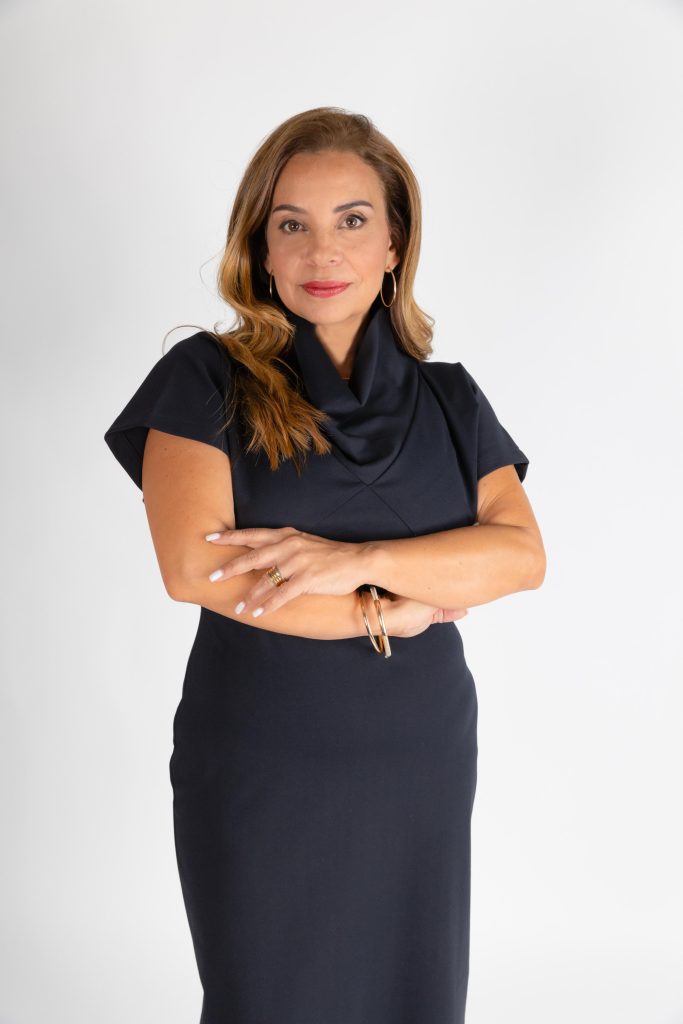
“Today, coworking is no longer just a workspace; it is a strategic tool for companies.”.
He explained that, although these spaces were initially geared mainly towards freelancers and startups, today they attract a much more diverse customer base that includes companies of different sizes and corporate profiles.
According to political scientist Ormazábal, the pandemic accelerated this transformation by driving the search for more flexible and adaptable workspaces.
“Today, they are looking for much more than just an office. They are looking for flexibility, efficiency, and comfort. They value ready-to-use spaces, a good location, connectivity, security, and an experience that allows them to focus on their business without worrying about day-to-day operations,” he said.
Offer available
An analysis of 20 coworking spaces identified in 10 locations across the country shows that the supply is concentrated in private and shared offices, meeting rooms and event spaces.
Among the most frequent services are high-speed internet, mail reception, collaborative areas, meeting rooms, conferences and networking activities.
Beyond private offices, shared offices and meeting rooms, these spaces have become meeting points for professionals with different histories and career paths.
For Lucas Castellanos, the search for that place ended up being much more than a professional necessity: it was an opportunity to meet people, create new connections and build a new life in a country that, over time, became his new home.
Content originally published in issue 15 of El Inmobiliario print edition.
Recommended readings: