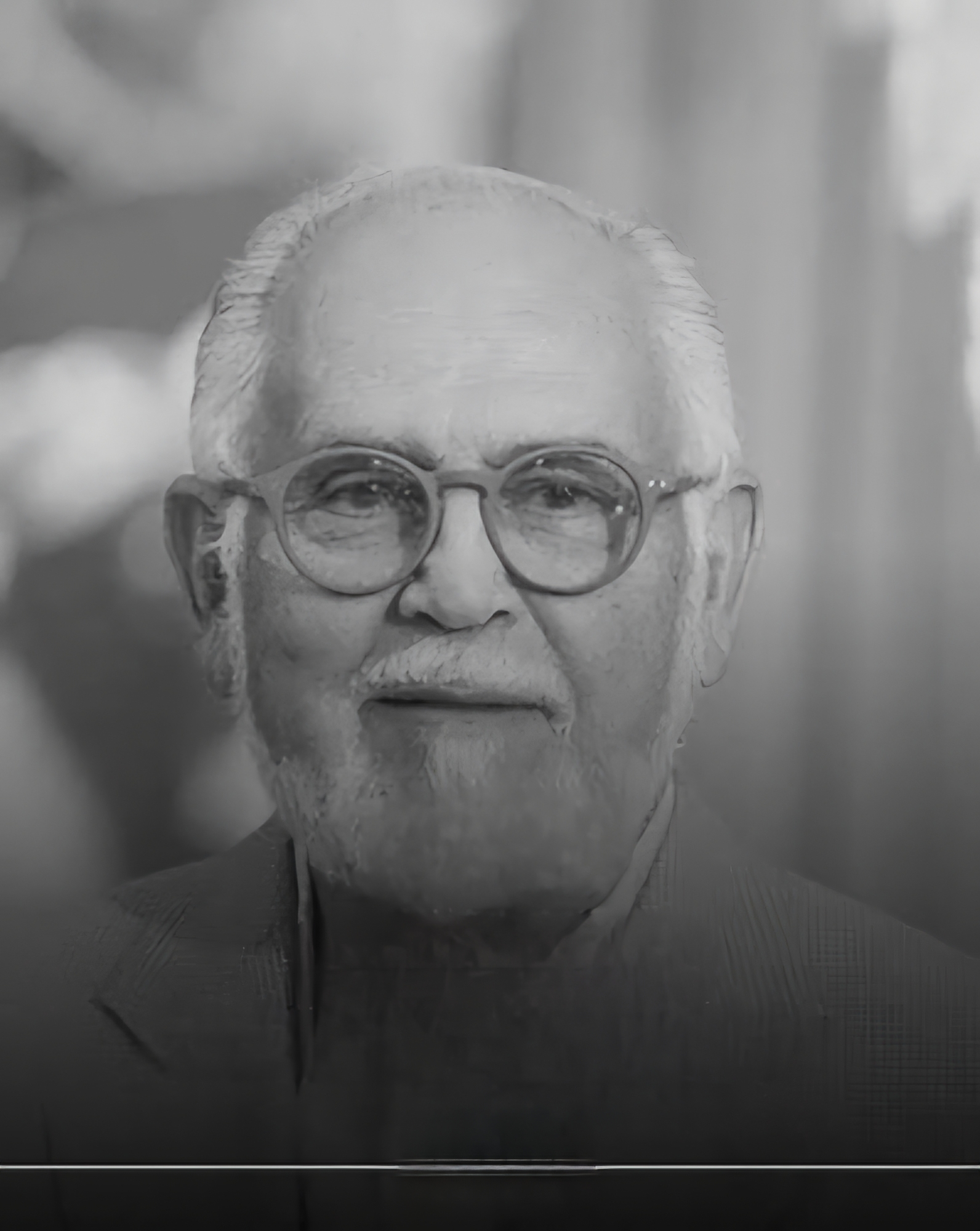
SANTO DOMINGO – Many Dominicans may not immediately recognize his name, but they are certainly familiar with his work. Antonio “Tony” Caro Ginebra was involved in many of the most important architectural, cultural, and tourism projects in the Dominican Republic, leaving a quiet mark on how the country began to see itself during decades of urban transformation.
His career unfolded during a period when the Dominican Republic was committed to modernizing its cities, strengthening its institutions, and building new cultural spaces. Amidst this process, Caro's work appeared in buildings that today form part of the Dominican visual identity.
From cultural complexes to tourist projects and institutional buildings, its architecture became integrated into the daily lives of entire generations.
A firm present in urban transformation
A graduate of Cornell University in the United States, Tony Caro returned to the country to join a generation of architects who were beginning to redefine the Dominican urban landscape.
He was part of the firm Ingeniería y Arquitectura Dominicana (IA), later known as Caralva, an office from which he participated in multiple public and private projects during times of economic and institutional expansion.
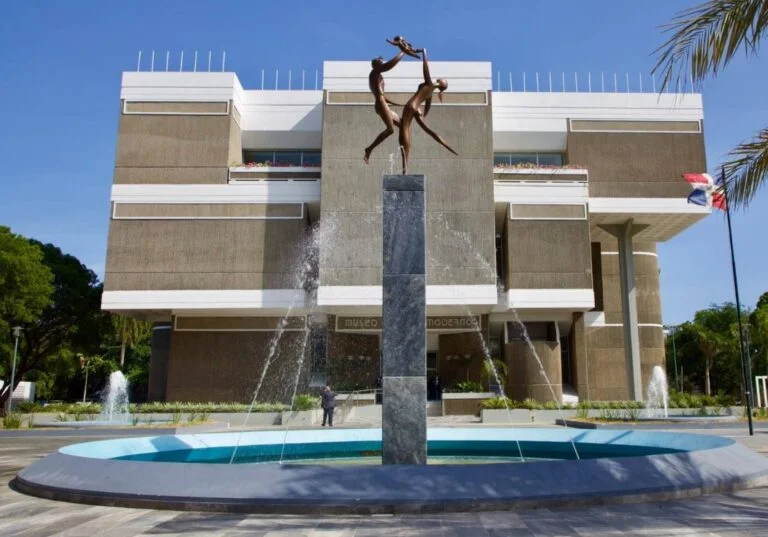
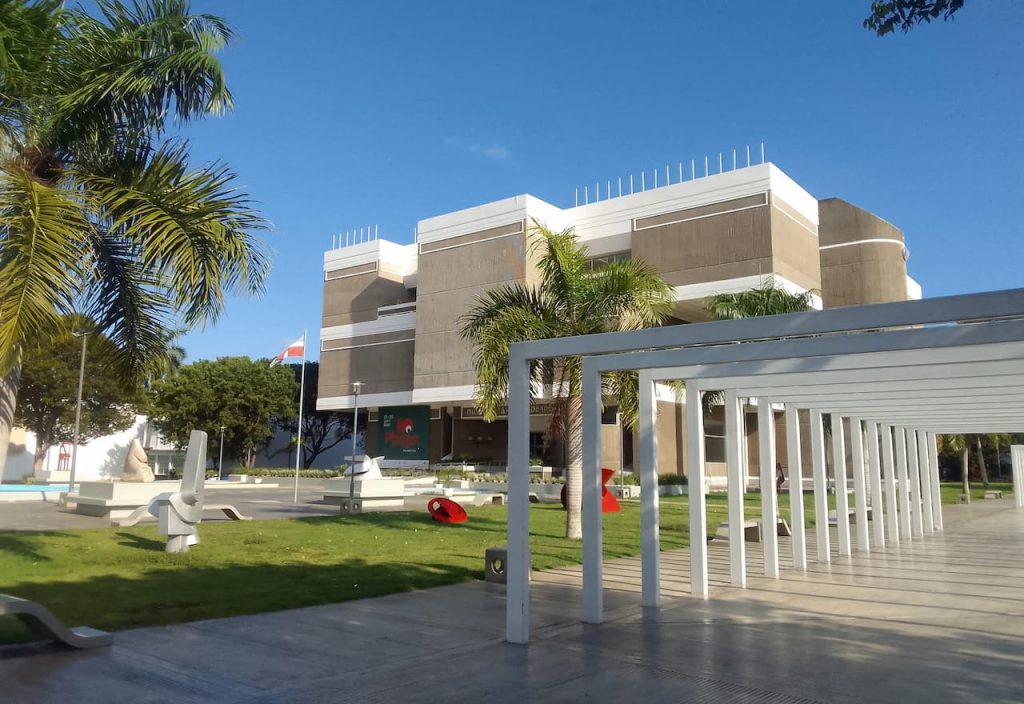
His name became linked to constructions such as the Plaza de la Cultura, the Museum of Dominican Man, buildings of the Central Bank, the Olympic Stadium and other structures that accompanied the urban growth of Santo Domingo and other areas of the country.
More than isolated buildings, many of these works represented a vision of modernity that was beginning to take shape in the Dominican Republic.
The man behind Altos de Chavón
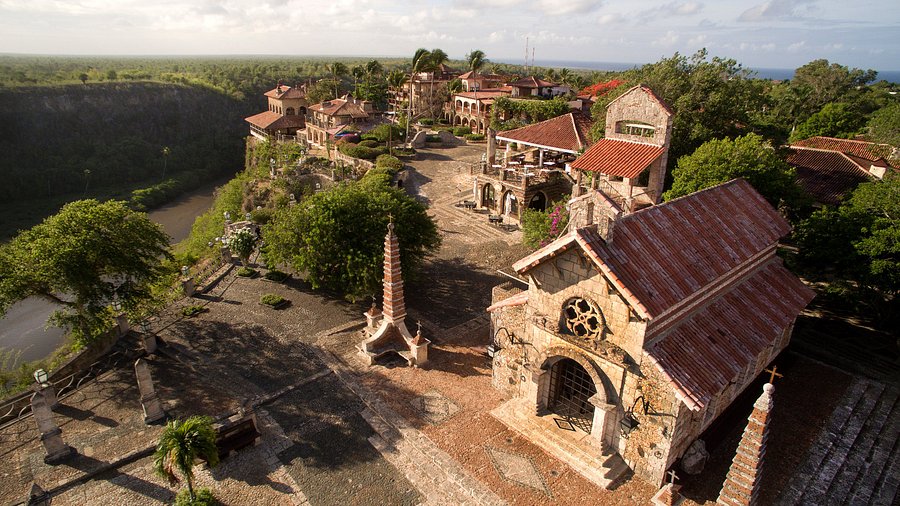
Among all the projects associated with his career, one of the most internationally recognized was Altos de Chavón.
The tourist and cultural complex developed in La Romana, in collaboration with the Italian architect Roberto Coppa, has become one of the most iconic spaces in the Caribbean. Its design, inspired by a 16th-century Mediterranean villa, transformed a rocky area overlooking the Chavón River into one of the most visited and photographed destinations in the country.
Over the years, Altos de Chavón ceased to be merely an architectural project and became a Dominican tourist and cultural symbol, a venue for concerts, exhibitions and artistic activities of international scope.
Architecture, education and country
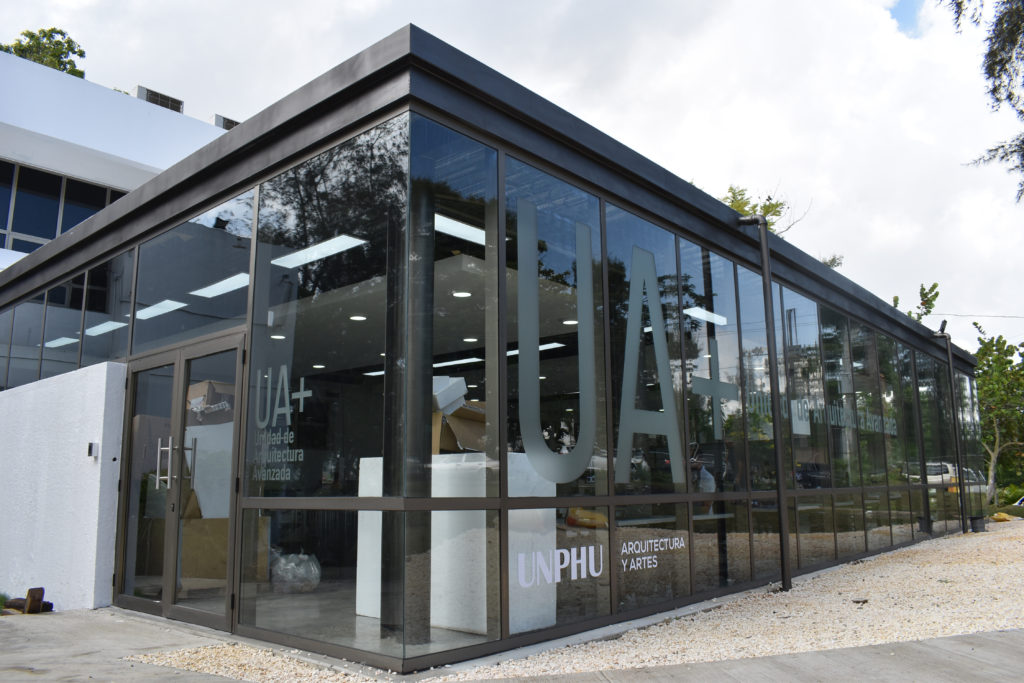
Tony Caro's influence also extended to academic training. He was one of the driving forces behind the School of Architecture at the Pedro Henríquez Ureña National University (UNPHU) and became the first rector of that institution.
His participation helped open spaces for the formal teaching of architecture in the country and for the preparation of new generations of professionals linked to urban design and construction.
In addition to architecture, he also had a presence in the business world as a founding shareholder of the BHD Group, expanding a career that transcended building design.
A legacy that remains standing
The death of Tony Caro has sparked reactions in the fields of architecture, culture, and urban planning. However, beyond the tributes, his legacy remains visible in spaces that continue to be part of the daily lives of thousands of Dominicans.
Because although many may never have heard his name, a large part of the country has walked, studied, worked or lived in places where his architectural vision was reflected.
And that, precisely, is where its story remains.
Sources consulted:
Caro Álvarez Foundation,
Listín Diario,
Diario Libre,
Anthony Caro.ong
Recommended readings: