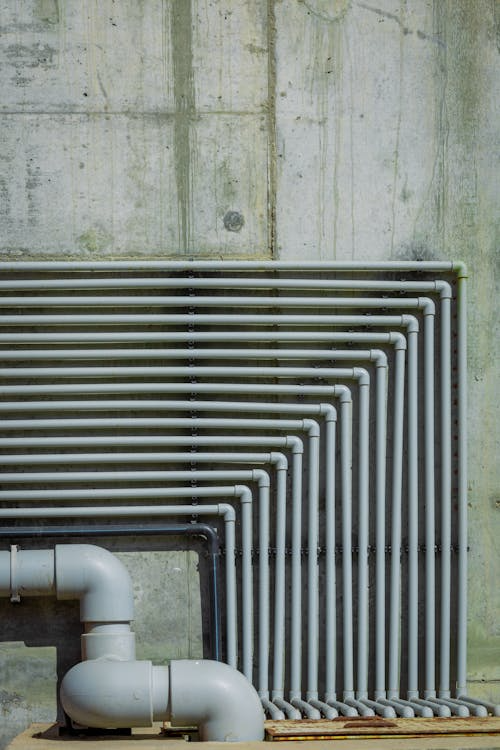
In our experience in technical supervision of water and sanitation systems in buildings, we have observed a very evident reality in our country: one of the most underestimated systems during the construction process is, precisely, one of the first to show construction defects once the building is in operation.
In the Dominican Republic, we continue to use a generalist approach to supervision, where we place an architect or engineer to comprehensively supervise the entire project, regardless of the technical complexity of each area.
And although the capacity for general coordination is indispensable, the reality is that today projects have reached a level of specialization that requires technical supervision by discipline.
It is not possible to expect a single professional to control, with the same level of depth, structures, finishes, electricity, air conditioning, fire protection, gas, and plumbing systems simultaneously.
In the Dominican Republic, there's still a misconception that only water supply, sanitary drainage, and stormwater drainage need attention in sanitary facilities. What about the other areas that are part of these facilities?
Furthermore, they must be considered as systems:
- of drinking water supply, from the water source and its quality, storage, pumping equipment, water networks and even water treatment.
- sanitary drainage
- stormwater drainage
- air conditioner drain
- propane gas distribution and
- comprehensive fire suppression (detection and suppression),
- in addition to others such as general extractions and irrigation.
Each component, piece of equipment, network, or installation is part of an interdependent, integral set, whose actual performance depends on the correct interaction between all its elements.
Building involves ensuring that each system responds functionally, operationally, and normatively as a complete unit throughout the project's lifespan.
And, in the case of these water and sanitation systems, it is precisely where the technical weakness ends up manifesting itself most quickly.
Leaks, odor returns, pressure failures, hydraulic imbalances, collapsed pipes, slow drains, hidden leaks, water hammer, pump failures, inoperative fire protection systems, or unsafe gas lines rarely occur because "a pipe came out bad.".
These problems usually occur because the entire system was never understood, implemented, or supervised as a whole. This is one of the most frequent errors in construction: we continue building in individual components.
The supply of drinking water involves ensuring hydraulic continuity, pressure stability, adequate speed, sanitary control, future maintenance, and efficient operation.
Similarly, the wastewater collection and disposal system must be designed considering sanitary ventilation, actual slopes, hydraulic behavior, and accessibility for maintenance.
Rainwater, for its part, requires flow analysis, based on actual rainfall according to the project's construction area (rainfall in SD is not the same as rainfall in Pedernales, for example), evacuation capacity, and protection of the structure against accumulations and infiltrations.
The comprehensive fire suppression system (detection and suppression) should be viewed as a vital human protection system that must respond hydraulically and operationally under real conditions.
The same applies to propane gas distribution systems, where lines are often installed without testing, monitoring, and preventive maintenance procedures, despite the critical risk they represent.
Each of these systems requires specific technical testing before it can be put into operation. However, in many projects these tests are only partially performed, poorly documented, or simply omitted.
And in many cases (not all), the protagonists in the execution of these systems (without adequate technical supervision) are the plumbers and/or companies dedicated to installing pipes and fittings.
A poorly designed plumbing system compromises the entire future operation of the building.
Specialized technical supervision of water and sanitation then ceases to be a luxury and becomes an operational and preventive necessity.
And that's where we still have a significant debt as a construction sector.
Recommended readings: