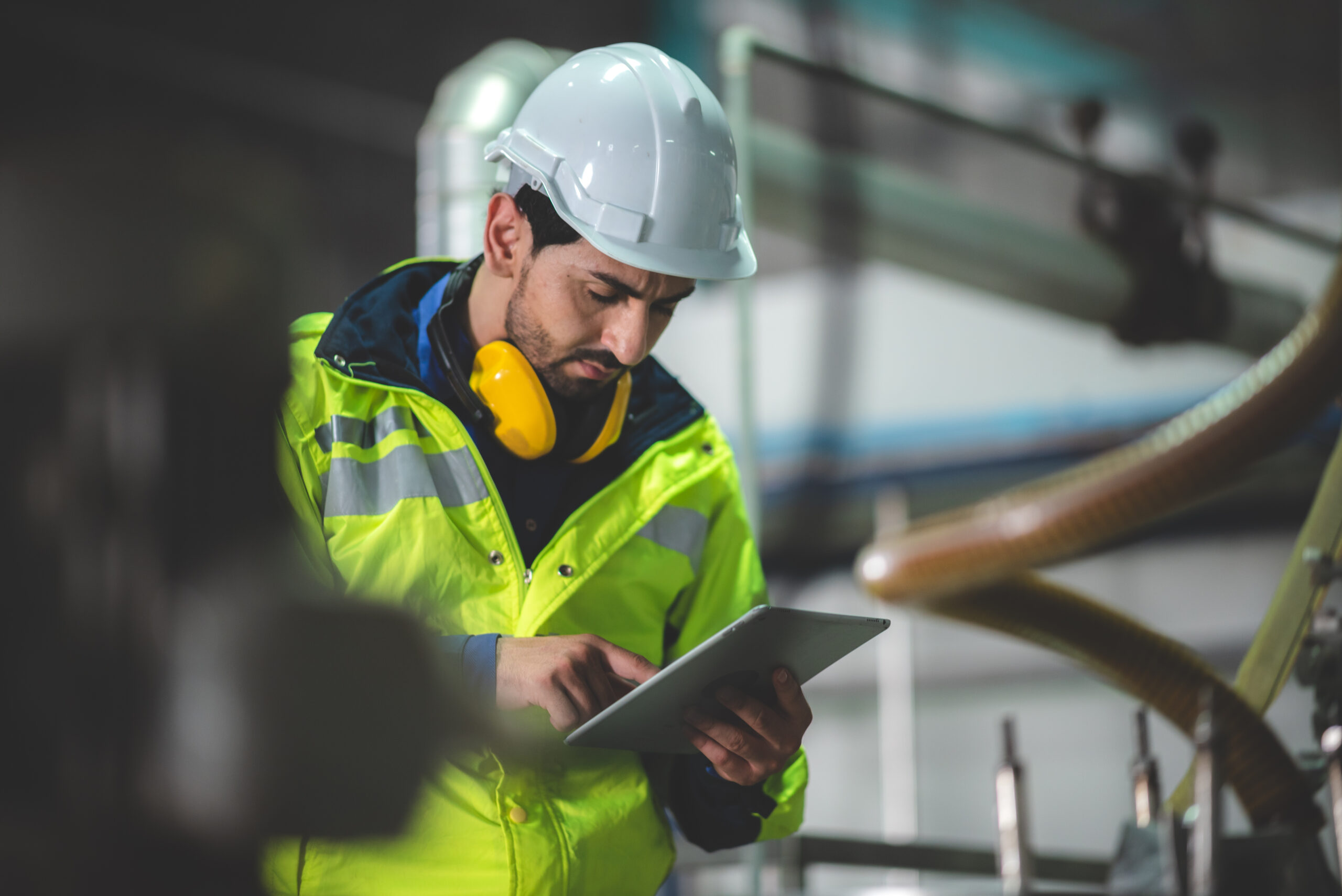
For years, working as a construction auditor in the Dominican Republic, I've had to step into projects only after the problems have already exploded: delays, cost overruns, conflicts between parties, and often, legal battles that could have been avoided. And I almost always reach the same conclusion: if that project had been audited on time, the story would be very different.
In our country, the idea still persists that auditing is synonymous with something being wrong. There's still a prevailing notion that audits are about finding someone to blame or exposing financial mismanagement. In reality, auditing is a tool for forecasting and prevention.
The technical audit encompasses three fundamental pillars:
- The technical aspect, where we identify deviations from regulations, poorly executed details, or improvised solutions that later generate pathologies.
- The economic one, where we analyze how the actual budget is performing against what was planned, detecting cost overruns, unbalanced items or bad projections.
- The legal section, where we review contractual compliance and the risks that could become a legal problem later on.
When we audit a project at our company, we don't just review plans or quantity take-offs.
We have seen cases where a seemingly small but poor technical decision ends up multiplying costs months later.
We've also seen projects where, due to a lack of regular audits, budgets spiral out of control, directly impacting the profit margins of both the developer and the builder. And most critically, we've seen projects that become embroiled in litigation because no one detected the flaws in time.
The periodic technical audits of construction projects allow for something crucial: a realistic assessment of the project's progress. It's not just about identifying errors, but about readjusting the plan, updating the schedule, and making decisions based on clear information.
That's where the investment is truly protected. Because a project doesn't get damaged overnight; it deteriorates little by little, and if no one measures it, no one corrects it.
In many projects we've been involved in, when continuous auditing is implemented, the change is evident. Improvisation is reduced, costs are better controlled, and, above all, conflicts between parties are minimized.
Auditing does not replace construction supervision; it complements it. While supervision oversees daily execution, auditing analyzes the project with a broader, more strategic perspective.
In our country, we need to change the way we view this process. Auditing isn't about distrust; it's about better management. It's about protecting the investment, the quality of the work, and the reputation of those involved.
From our experience, we can say that projects that are audited on time not only have better results, but also cost less. Because in construction, as in almost everything else, what isn't checked on time ends up costing you later… and almost always more.
Recommended readings: