The measures announced on October 11th aim to expedite procedures, while warnings issued in Punta Cana in 2024 and by Manuel Estrella in January 2026 highlight the sector's concerns about delays in permitting
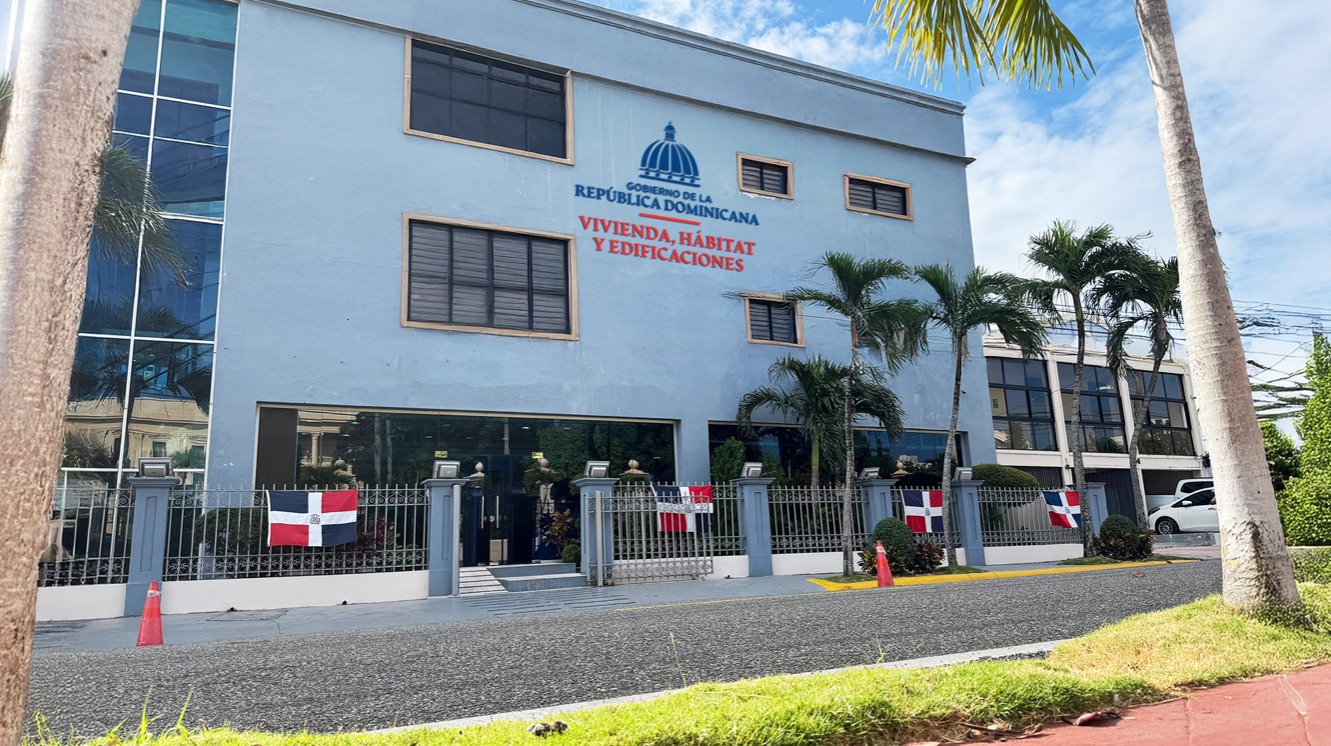
SANTO DOMINGO – The Ministry of Housing, Habitat and Buildings (MIVHED) announced that it is working to reduce the processing time for construction permits to 30 days for projects that meet the established requirements, at a time when streamlining administrative procedures remains among the main challenges identified by business owners in the real estate and construction sector in the Dominican Republic.
The announcement was made on October 11 of this year by the Minister of Housing, Jean Luis Rodríguez, during a discussion with the Association of Developers and Builders of La Altagracia (ADECLA), held in Punta Cana.
During the meeting, the official reported that September 2026 closed with a national record of 203 construction licenses issued, corresponding to projects that represent an investment of RD$57,133 million and an estimated impact of more than 42,000 direct jobs.
Although the figures correspond to the national level and not exclusively to the Eastern region, the announcement came in an area where real estate developers have reported difficulties in obtaining permits, completing their projects and meeting the deadlines for delivering homes.
One-Stop Shop 2.0 aims to reduce approval times
As part of the measures to streamline procedures, Rodríguez reported that MIVHED is working on strengthening the Single Window for Construction 2.0, a platform aimed at digitizing processes, eliminating duplication, and improving coordination among public institutions.
The goal is to move towards issuing permits within 30 days for projects that correctly submit the required documentation.
The official also raised the possibility of implementing a pilot program for private technical pre-validation in the eastern region , whereby accredited professionals and entities could help organize and review the applications before their submission to the Ministry. Final approval would remain the responsibility of the Ministry of Housing, Urban Development and Housing (MIVHED).
Rodríguez clarified that simplifying procedures will not lead to a reduction in safety standards or building quality. He also highlighted the ongoing efforts to update and implement the Dominican Republic's Building Code.
During the meeting, held as part of ADECLA's 15th anniversary, he proposed creating a technical working group between the Ministry and the association to identify the administrative obstacles affecting builders and developers and to formulate solutions to modernize the approval processes.
Business leaders warned about the impact of permitting processes
On January 23, 2026, El Inmobiliario published a report on the statements made by Manuel Estrella during his participation in the radio program El Sol de la Mañana.
In that speech, the businessman argued that the accumulation of procedures and authorizations to develop construction projects is one of the factors that hinder economic activity.
Estrella stated that the Dominican economy had gone from growing at a rate close to 5% annually to registering around 2%, and attributed part of that slowdown to the burden of state permitting and the lack of timely measures.
"Permitting is one of the culprits," he said, referring to the obstacles investors face in obtaining the necessary authorizations to carry out their projects.
The businessman explained that a project may require permits from multiple institutions, including the Ministry of Environment and Natural Resources, MIVHED, city councils and other public entities, a situation that can prolong the approval processes.
Regarding the government's Meta 2036 plan, he indicated that an initial survey identified 131 permits distributed among 16 institutions. He explained that this number was later reduced to 39 as part of efforts to simplify procedures.
Among the measures presented, he mentioned administrative silence, whereby the lack of an institutional response within 30 days would allow a project to begin under the conditions stipulated in the proposal. He also outlined mechanisms for company certification and sworn statements to expedite certain approvals, with corresponding responsibilities in case of irregularities.
New projects and investments in Punta Cana
Rodríguez's agenda in Punta Cana also included his participation in the launch of the Pradera Alta housing project, developed by the Colombian business group Prodesa, and the The Point Punta Cana shopping center.
Both initiatives reflect the real estate and commercial activity of the area, in a context where investment and job creation depend, among other factors, on the ability to develop projects within foreseeable timeframes.
Recommended readings: