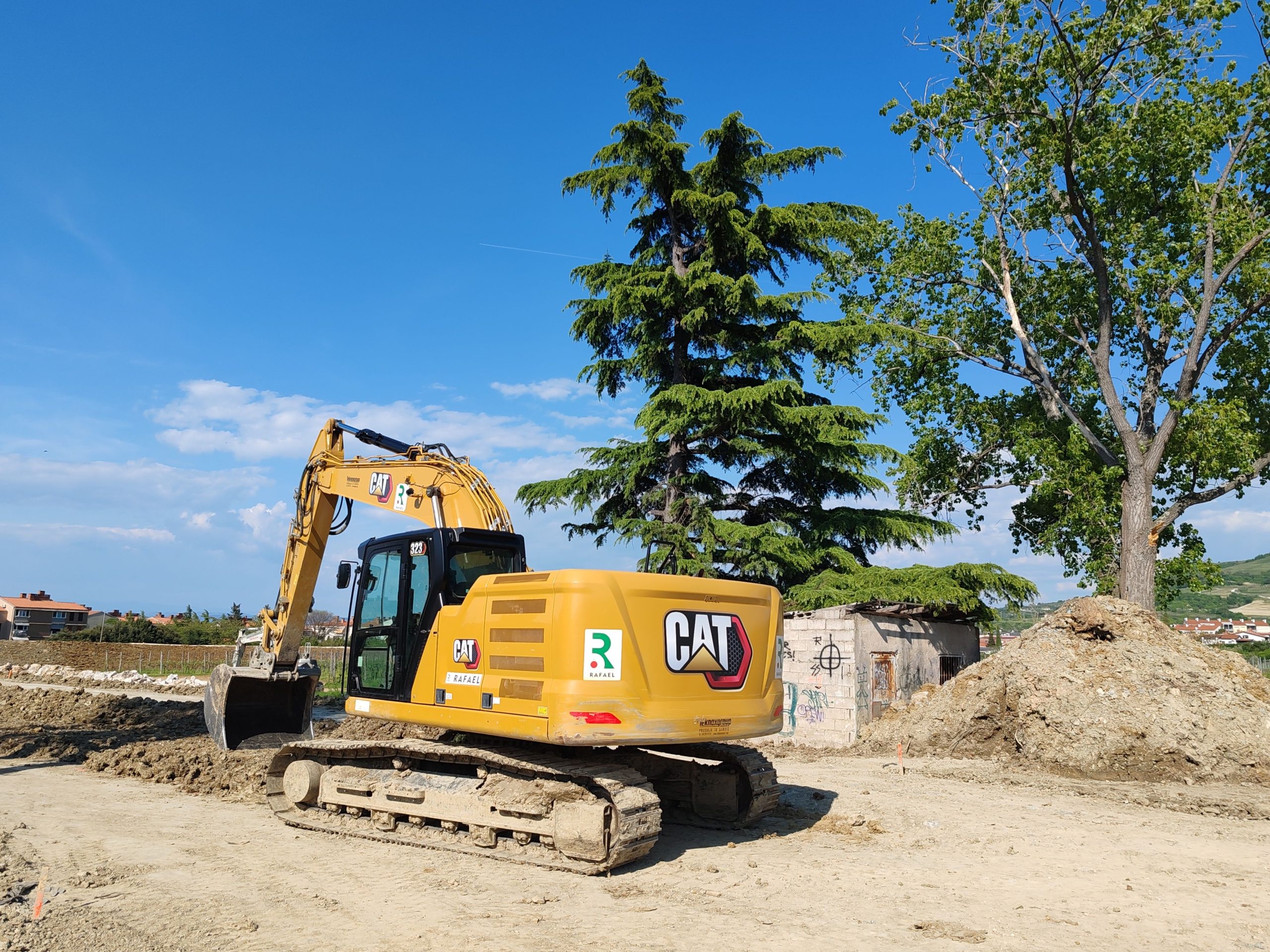
A master plan dictates uses, phases, and infrastructure before a large tract of land begins to be sold
Having a large plot of land might seem like an extraordinary advantage. But without a master plan, that scale can also become a source of costly mistakes. The more land available, the more important it is to decide what uses are appropriate, what infrastructure the complex needs, and in what order it should be developed. Land alone does not define the project.
The initial impulse for many property owners is to subdivide, sell lots, or start with the area that seems easiest to market. This decision can generate quick cash, but it can also close off options that would later be necessary to create greater overall value.
The scale demands a method
A large plot of land rarely has a single purpose. It can accommodate housing, commerce, recreational areas, services, facilities, and even productive activities. The problem arises when an attempt is made to incorporate everything without a logical framework that connects demand, access, infrastructure, and investment capacity.
The master plan shouldn't simply be an attractive drawing. Its true function is to organize development over time: what should be built first, which investments should be prioritized, which can wait, how people will move around, and what spaces should be reserved for future phases.
The first phase is particularly delicate. It must be attractive enough to generate demand, but it cannot consume so much capital that it jeopardizes the rest of the project. Nor should it occupy or sell strategic areas that might be needed in the future for roads, services, or higher-value uses.
That's why starting "anywhere" can be expensive. In large-scale projects, every early decision determines what will be possible later.
Selling first can cost more
Imagine a property owner decides to sell the lots closest to the main road first because they are the easiest to sell. In the short term, this seems like a good decision. But if that strip later turns out to be the best location for shops, services, or the main access road, the project will have lost one of its most valuable assets.
Something similar happens with infrastructure. Streets, drainage, water, energy, and services shouldn't be designed solely for the initial phase. A cost-effective solution at the start can end up being a costly reconstruction as the project grows.
The mix of uses also matters. A purely residential development can become overly reliant on a single market. Incorporating retail, services, or other uses, when demand warrants it, can enhance resilience and create additional reasons to live, work, or invest there.
The challenge lies in not confusing variety with strategy. Including many components doesn't automatically transform a plot of land into a new city. Each use must respond to a specific need, have a logical location, and be implemented at the right time.
A large field multiplies the errors
The most useful question is not simply, “What can I build here?” It should be, “What should this land be transformed into, and what is the correct sequence for achieving that?”.
That question forces us to look at the market, accessibility, infrastructure, absorption, costs and capital before committing to the land.
A large plot of land offers freedom. But that freedom quickly disappears when it's subdivided, sold, or built upon without a comprehensive vision. And recovering from a wrong decision can be difficult or impossible.
In large-scale projects, improvisation doesn't just cost money. It can cost decades of lost opportunities.
A large plot of land multiplies opportunities, but it also multiplies mistakes. That's why, before selling the first parcel or starting the first construction, the most important thing isn't building faster. It's understanding what project truly deserves that land.
Recommended readings:
The future of Santo Domingo is outside the center