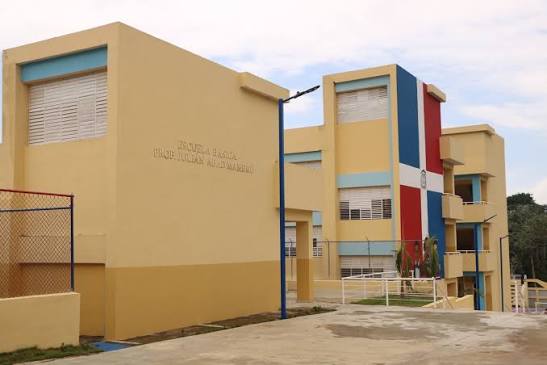
The survey will last for six months and will allow the identification of the structural conditions of educational centers in order to establish the necessary corrective measures
SANTO DOMINGO – Approximately 6,000 of the nearly 8,000 educational facilities across the country will undergo structural evaluations to determine their vulnerability to potential earthquakes. This is because they were built before the implementation of the seismic code and, in most cases, without soil studies. This was announced Wednesday by Roberto Herrera, Director of the Directorate of School Infrastructure (DIE), during the launch of the Technical Registry of School Infrastructure (RT-DIE 2026). This initiative aims to gather information on the condition of school buildings and guide necessary interventions.
The official explained that the age of a considerable part of the educational infrastructure and the absence of geotechnical studies generate uncertainty about the capacity of these constructions to withstand seismic movements.
“We know that in our country we have about 8,000 schools, but there are about 6,000 that were built before the use of the seismic code and most of them were built without carrying out soil studies,” Herrera said.
The head of the DIE stated that it is necessary to know how these buildings would behave in the event of an earthquake, in order to determine their current conditions and establish the corresponding actions to reduce the risks.
“There is uncertainty regarding how these nearly 6,000 schools would behave in the event of an earthquake,” he said.
In that regard, he noted that the technical survey will provide data that facilitates the identification of potential vulnerabilities and contributes to the planning of maintenance, repair or structural reinforcement work, according to the needs of each educational center.
Joint evaluation over six months
Herrera indicated that the process will be developed through the coordination of the Directorate of School Infrastructure (DIE), the Dominican College of Engineers, Architects and Surveyors (CODIA) and the National Office of Seismic Evaluation and Vulnerability of Infrastructure and Buildings (ONESVIE), with the support of President Luis Abinader and the Minister of Education, Luis Miguel De Camps.
Referring to the inter-institutional work, the official stated that the entities involved will combine their technical capabilities to carry out the diagnosis of the educational infrastructure throughout the country.
“We have merged into a single body to begin this great undertaking today, which will yield results in about six months,” he stated.
According to Herrera, the estimated period to complete the process is six months, after which the authorities will have technical information to understand the conditions of the schools examined and define intervention priorities.
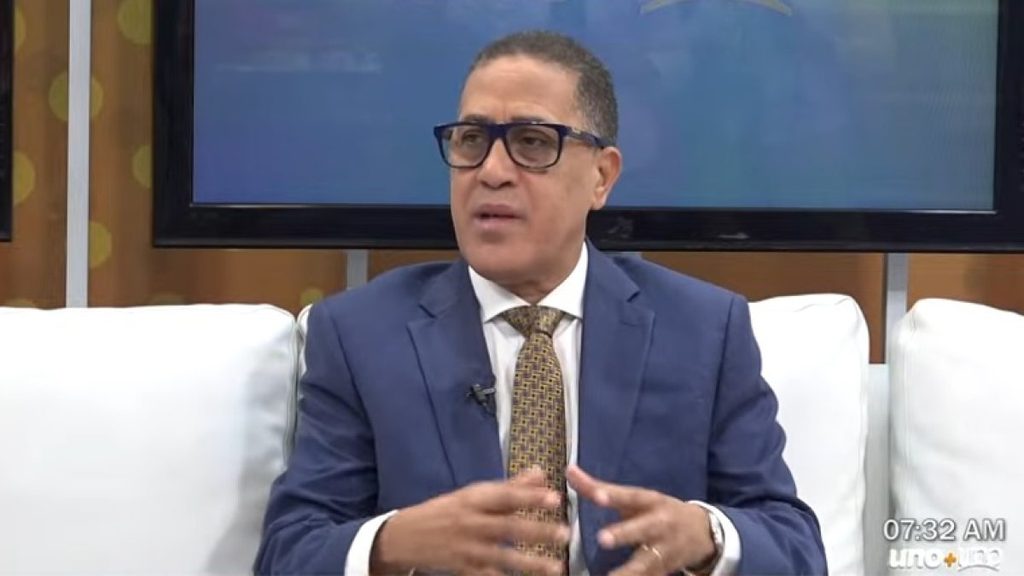
Results will guide corrective measures
The Director of School Infrastructure stated that the data collected will serve as a basis for the authorities to determine the measures that should be adopted based on the results of the evaluations.
“It will allow us, as the authority, to take the necessary measures and make the necessary corrections,” he said.
Based on this diagnosis, the responsible institutions will be able to determine which buildings need maintenance, rehabilitation or reinforcement, according to the conditions identified during the inspections.
The information will also help guide the planning of future interventions and prioritize actions aimed at improving the safety of facilities where thousands of Dominican students receive instruction.
They seek to ensure safer schools
Herrera emphasized that the fundamental purpose of the initiative is to help educational centers meet the necessary safety conditions to protect the school community in the event of seismic phenomena.
"To ensure that our children have a safe school environment, as it should be," the official said, referring to the program's objective.
With the Technical Registry of School Infrastructure, the authorities seek to have a database that allows them to make decisions based on technical evaluations and establish the necessary corrections in schools that present vulnerable conditions.
Recommended readings: