SANTO DOMINGO– For years, the Dominican Republic has built its international image around tourism. But behind that facade lies another story: that of a country that in the last five years has seen foreign investment grow and diversify, with an increasing presence in various sectors of the economy.
The figures help to illustrate this evolution. In 2021, Foreign Direct Investment (FDI) flows totaled US$3,196.8 million. By 2025, they had reached US$5,032.8 million, almost 57% more. With that figure, the country reached a historic record and completed four consecutive years of record highs.
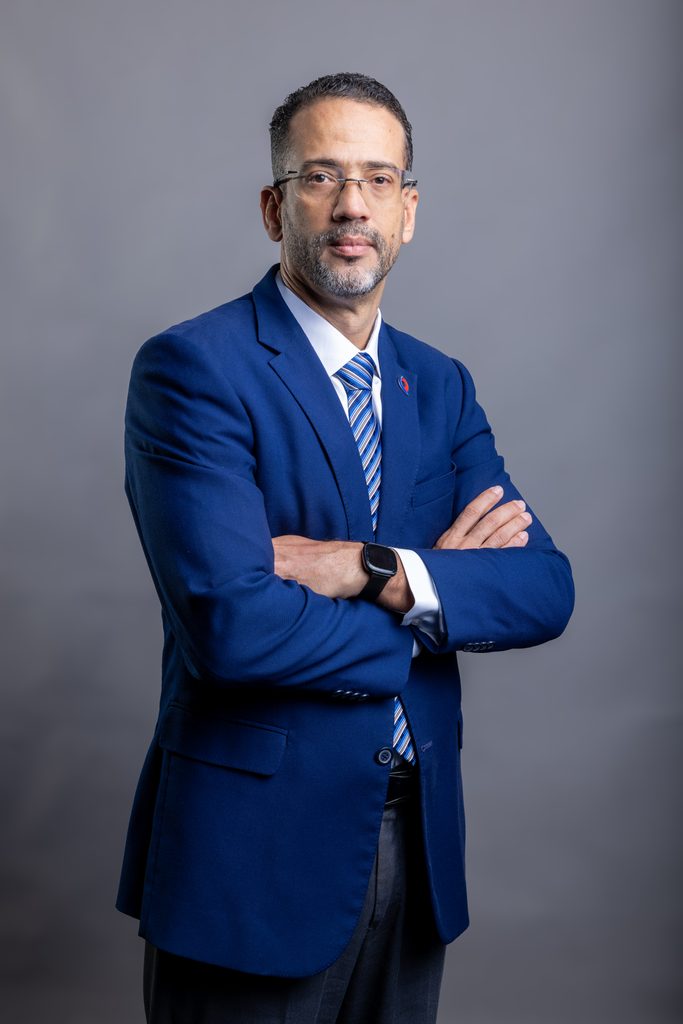
This was stated by the executive director of the Export and Investment Center of the Dominican Republic (ProDominicana), Vladimir Pimentel, who attributes this growth to the possibilities offered by the country and an ecosystem favorable to foreign investment.
According to the official, the numbers only tell part of the story. And to complete this picture, we need to look at where international capital is moving and how it is diversifying.
He noted that, in 2025, tourism and energy led the way in attracting FDI, with more than US$1.2 billion each, followed by the real estate sector, trade and industry, free zones and mining.
“This reflects how foreign investment is responding to the new opportunities presented by the country and the transformation needs of our economy,” he noted in an interview with El Inmobiliario.
An attractive destination
Pimentel summarizes the factors that favor investment in three main elements: macroeconomic, political and social stability; legal security and the incentive regime; and the country's position in the Caribbean, along with its connectivity with the main markets of North America, Central America, South America and Europe.
“The joint work between government institutions and the private sector has made it possible to create better conditions for investors not only to come to the country, but also to establish themselves, grow, reinvest and use the Dominican Republic as a platform to serve other markets,” he emphasized.
Real estate sector
According to Alberto Bogaert, president of the Association of Real Estate Agents and Companies (AEI), foreign investment has been a determining factor in the transformation of the real estate market over the last five years.
In his analysis, he explains that this evolution is not measured solely by the volume of capital that has arrived, but also by how the investor profile has changed.
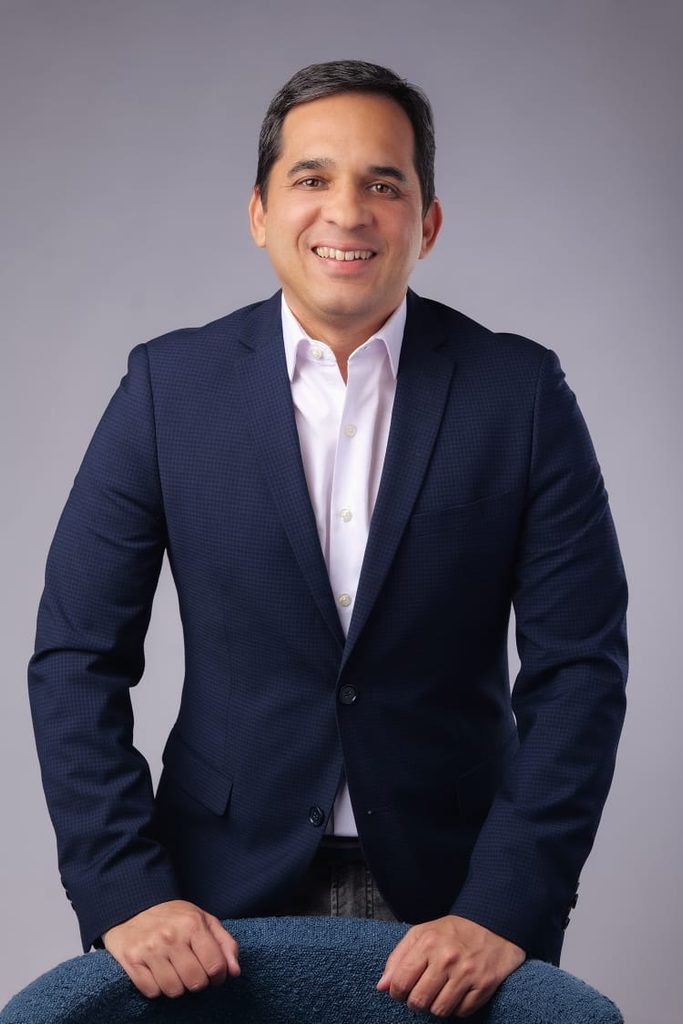
Alberto Bogaert, president of the AEI. (External source).
“We have progressively moved from a foreign investor who saw the Dominican Republic primarily as a destination to acquire a second home or a vacation property, to a much more informed, sophisticated investor oriented towards profitability, asset diversification and income generation,” he specified.
Bogaert explained that, currently, this actor evaluates the expected return, the added value, the occupancy, the asset management, the connectivity, the infrastructure, the legal security and the growth of the area.
“The market has evolved from predominantly residential developments towards more comprehensive proposals, linked to tourism, hospitality, short and long term rentals, the corporate segment, mixed use and new housing and services concepts,” he pointed out.
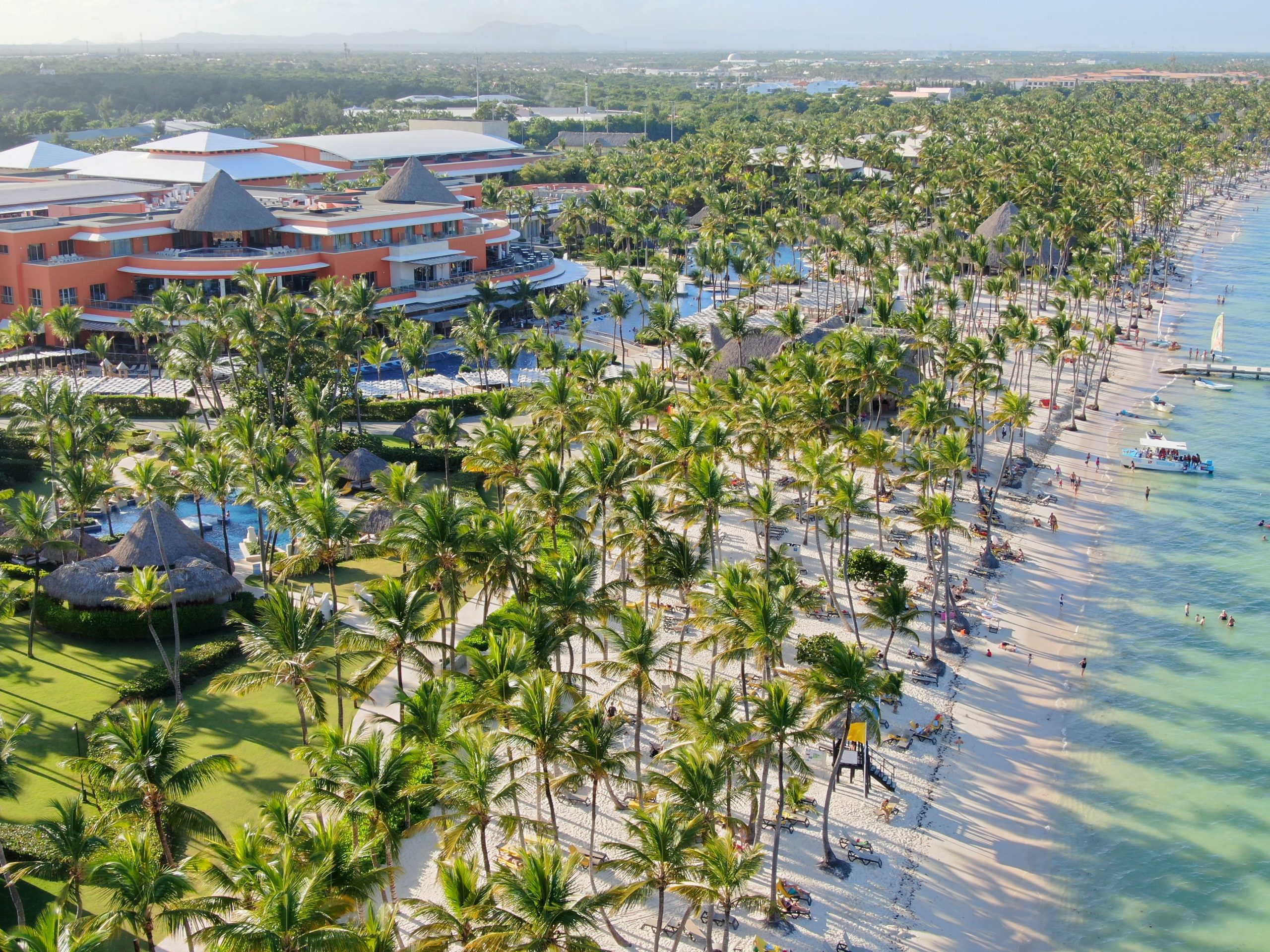
This transformation is also reflected in the investment landscape. The president of the AEI stated that Punta Cana and Bávaro maintain a central position due to their tourism strength and air connectivity.
For his part, he stated that Cap Cana has become a benchmark for higher-level projects and Santo Domingo continues to gain prominence for its economic and corporate activity.
The tourism boost
According to the National Statistics Office (ONE), Foreign Direct Investment in tourism grew in the last five years, going from US$974.6 million in 2021 to US$1,288.1 million in 2025.
Behind this performance lies a favorable environment for the sector. At Dominican Week 2024, held in the United States, the Vice Minister of Tourism, Jacqueline Mora Báez, highlighted tax incentives and political and economic stability as factors that favor its development.
The dynamism of tourism also extends to other activities. In 2023, hotels, bars, and restaurants accounted for 10.7% of GDP, while the real estate sector contributed 5.5% and construction 2.1%, according to data from the Central Bank of the Dominican Republic (BCRD).
Furthermore, the Dominican Republic Tourism Investment, published by the Ministry of Tourism, outlines the regulations that underpin this framework, including Law 16-95 on Foreign Investment and Law 158-01 on Tourism Development, which created the Tourism Development Council (Confotur). Both laws provide incentives and support for new projects that aim to expand the tourism offerings and promote the sector's development.
Future value
Looking ahead to 2030, ProDominicana's executive director, Vladimir Pimentel, is betting on foreign investment that will generate greater value for the country.
Rather than increasing the volume of capital, it aims to attract projects that create quality jobs, incorporate technology, boost exports, develop local suppliers, and increase productivity.
From the real estate sector, the president of the AEI, Alberto Bogaert, places the challenge in the ability to maintain that interest in the face of increasing international competition.
To achieve this, it considers it crucial to continue strengthening legal security, stability, infrastructure and connectivity, but also aspects such as energy, mobility, urban planning and more agile and predictable processes and permits.
Both perspectives agree that the challenge is no longer solely about attracting capital, but about creating the conditions for it to remain, find room to grow, and generate a greater impact on the country's development