It calls for finding balanced salary formulas that allow for improved worker well-being without jeopardizing families' access to homeownership
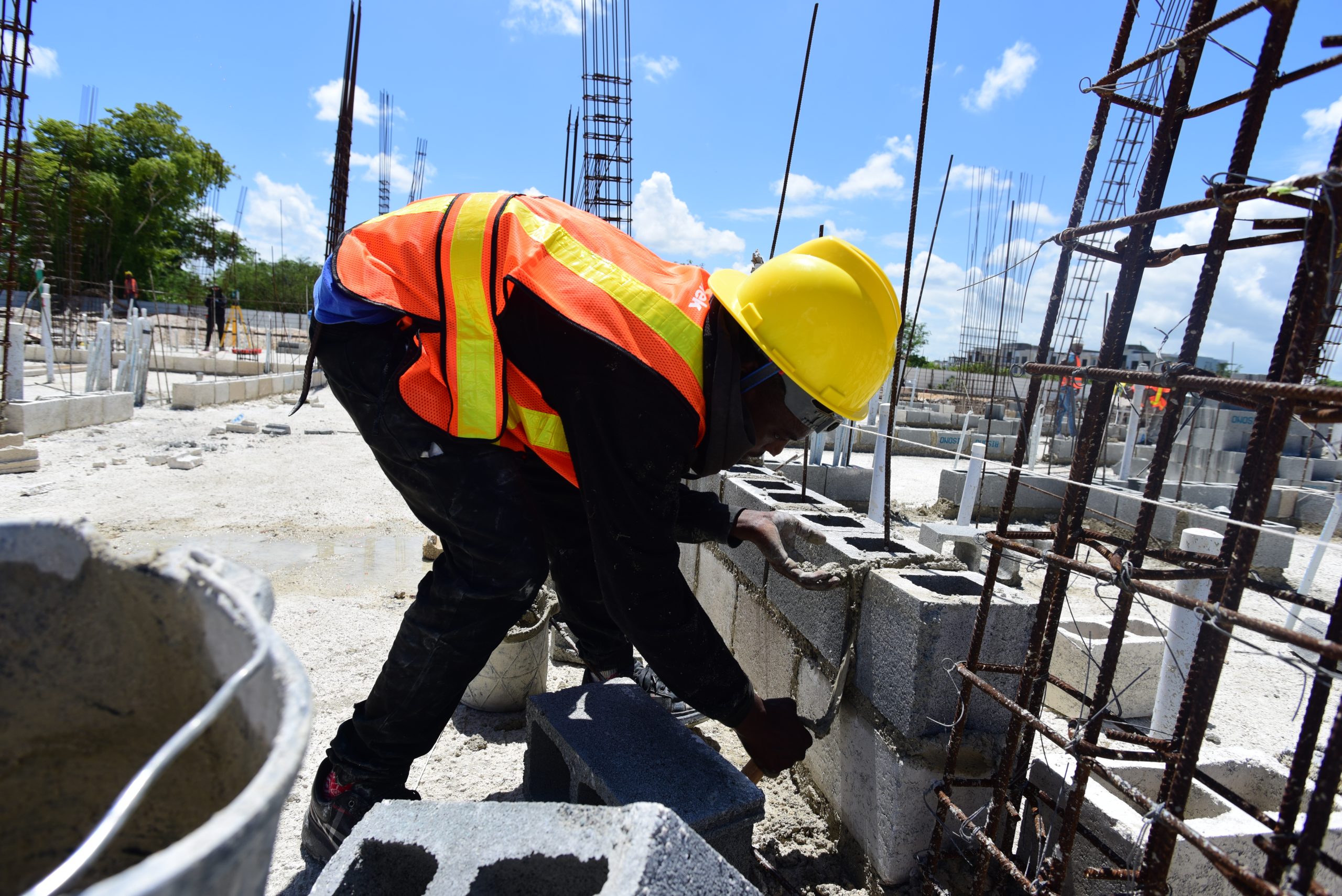
SANTO DOMINGO. The Dominican Association of Housing Builders and Developers (ACOPROVI) warned this Thursday about the effects of the 20% salary increase approved for construction workers, noting that the measure could cause an increase of up to 6% in the cost of housing.
The institution explained that this impact would occur gradually and that its estimates indicate that 3.6% would be reflected immediately in housing prices, while an additional 2.4% would occur around June 2027.
The organization acknowledged and appreciated the authorities' efforts to improve wages and the quality of life for workers in the sector. However, it maintained that a technical balance must be maintained in decisions regarding worker compensation, given the potential impact of these measures on the construction industry's cost structure.
Labor represents 30% of construction costs
According to the association, labor accounts for approximately 30% of total construction costs.
For this reason, he argued that a 20% salary adjustment, more than double the Consumer Price Index (CPI), has a direct impact on project costs.
“While we support the improvement of labor income, we note with technical concern that a salary review that is disproportionate compared to the Consumer Price Index (CPI), which is calculated at 8.05% during the period, generates distortions in the cost structure of the sector,” the organization stated.
ACOPROVI pointed out that the increase in construction costs ends up impacting the final price of properties, which could affect the ability of Dominican families to access their own housing.
He calls for a resumption of dialogue
In light of the recent statements from the Ministry of Labor, communicated through the National Wage Committee (CNS), the association reaffirmed its commitment to social dialogue as a mechanism to reach fair and sustainable agreements between workers, employers and authorities.
The construction business association said it respects the Ministry of Labor, trade organizations, and unions, after calling for the reopening of spaces for dialogue and communication.
The goal, he argued, should be to find balanced wage formulas that allow for improved worker well-being without jeopardizing families' access to homeownership or the sustainability of one of the sectors considered key to the national economy.
The increase in workers
The National Wage Committee (CNS) approved a 20% increase to the minimum wage for construction workers and related trades on Tuesday, August 25, a measure that seeks to strengthen the purchasing power of employees in the sector and improve the economic conditions of their families.
The measure was announced by the Minister of Labor, Eddy Olivares Ortega, and is established through Resolution No. CNS-04-2026, which sets new national wage rates for the various categories of construction workers. The increase will be implemented in stages.
With the adjustment, the minimum wage for unskilled workers will increase from RD$980.59 to RD$1,176.70, while skilled workers will see their rate increase from RD$1,072.85 to RD$1,287.42.
For construction helpers, the minimum wage will increase from RD$1,260.34 to RD$1,512.40. Similarly, third-category operators will see their wages rise from RD$1,636.80 to RD$1,964.16.
For the higher categories, the resolution establishes a minimum salary of RD$2,240.93 for second category operators, RD$2,801.60 for first category operators and RD$3,530.13 for masters of the different areas of construction.
These last three amounts will come into effect on June 1, 2027, as part of the phased implementation arranged by the CNS.
The Ministry of Labor indicated that the increase aims to improve the income of construction workers and contribute to raising their purchasing power, within the framework of policies aimed at improving working conditions in the sector.
Recommended readings: