



Art Nouveau may go by many different names, but its appearance is unmistakable. We travel the world to discover the modernist buildings you must visit to fully understand this movement in decorative arts and architecture that flourished in Europe in the late 18th and early 19th centuries. It was known as Jugendstil, Stile Liberty, Szecesszió , or Modernismo in Germany, Italy, Hungary, and Spain, respectively, with different regional interpretations of the aesthetic.
Characterized by curved lines, asymmetry, and natural, often botanical, motifs, the style represented an experimental break with the traditional Gothic and Neoclassical influences of previous decades across the continent. Full of romanticism, Modernism emphasized craftsmanship as a response to the rapidly advancing industrialization of the time.
Architects such as Hector Guimard, Antoni Gaudí, and Otto Wagner became famous for their decadent, organically inspired designs, which featured abundant colorful flourishes and details in iron and glass. The interiors of Modernist buildings were known for being as ornate as their facades, often decorated with exquisite custom-made furniture and hand-painted wall coverings.
From Barcelona to Budapest, magnificent examples of Art Nouveau architecture can be found all over the world. Here are 10 architectural marvels:
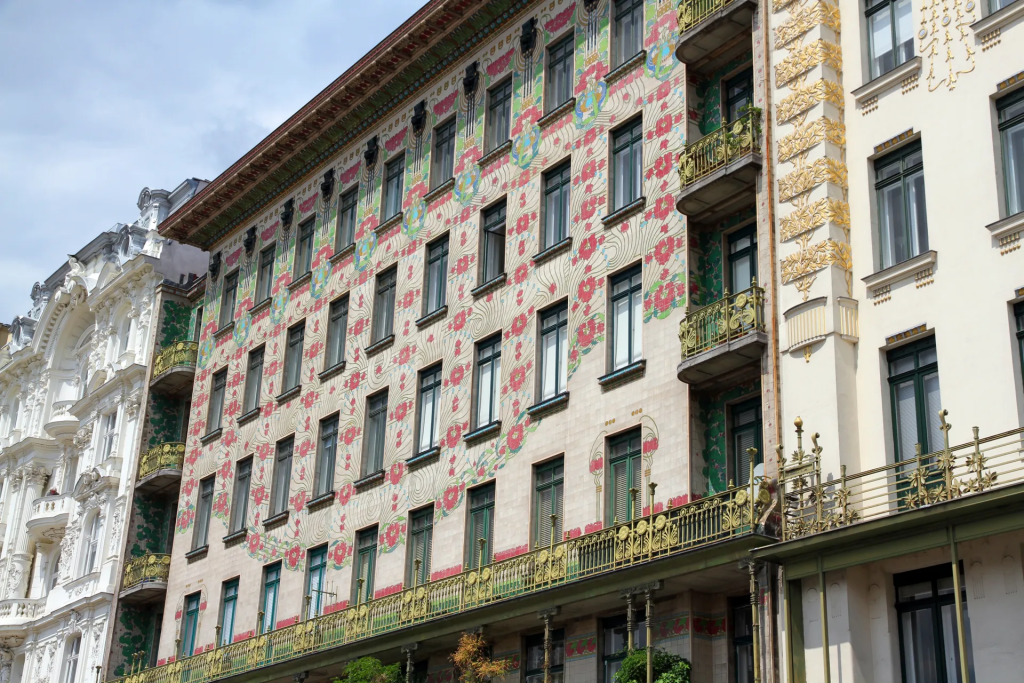
Majolikahaus, Vienna, Austria
The architect Otto Wagner was a key figure in the reinvention of Vienna at the beginning of the 20th century. One of his most beloved works is the Majolikahaus apartment building, completed in 1898 and decorated with vibrant floral motifs. The façade is composed entirely of ceramic tiles known as majolica.
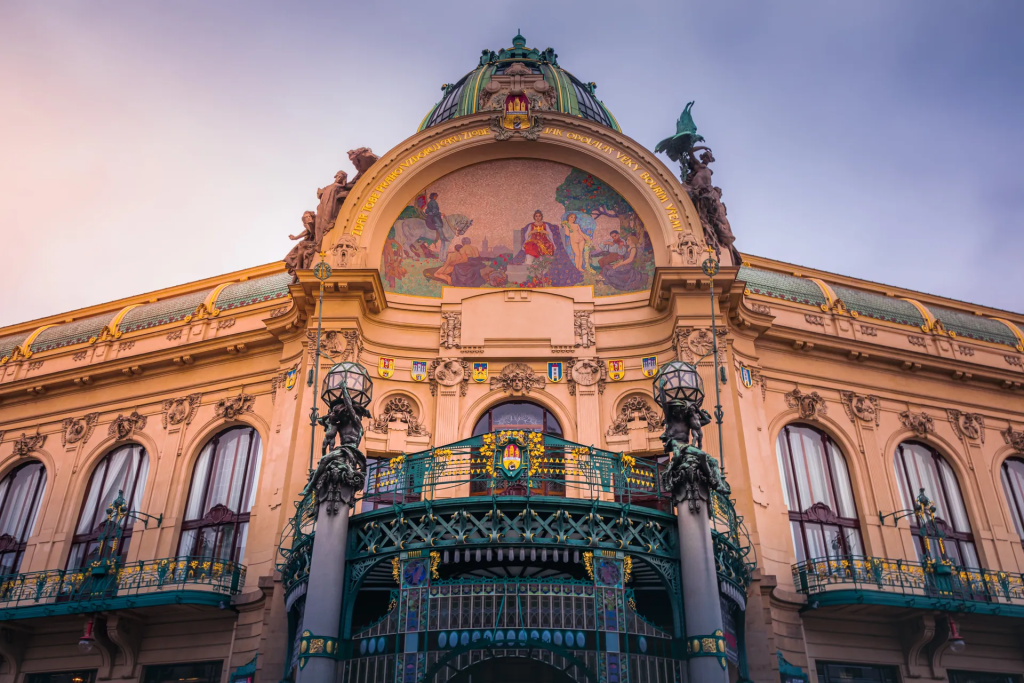
Municipal House, Prague, Czech Republic
Prague boasts a diverse mix of architectural styles. The Old Town is filled with numerous Romanesque-Gothic buildings, as well as world-renowned Baroque structures, such as the Clam-Gallas Palace, an 18th-century concert hall that hosted artists like Mozart and Beethoven. But nestled among these older buildings are brilliant examples of Art Nouveau, such as the Municipal House, also known as Obecní Dům, which opened in 1912. It was erected on the site of the former Royal Court Palace (the residence of the King of Bohemia from 1383 to 1485) before its demolition. Beneath the central arch is a mosaic by the artist Karel Špillar entitled Homage to Prague.
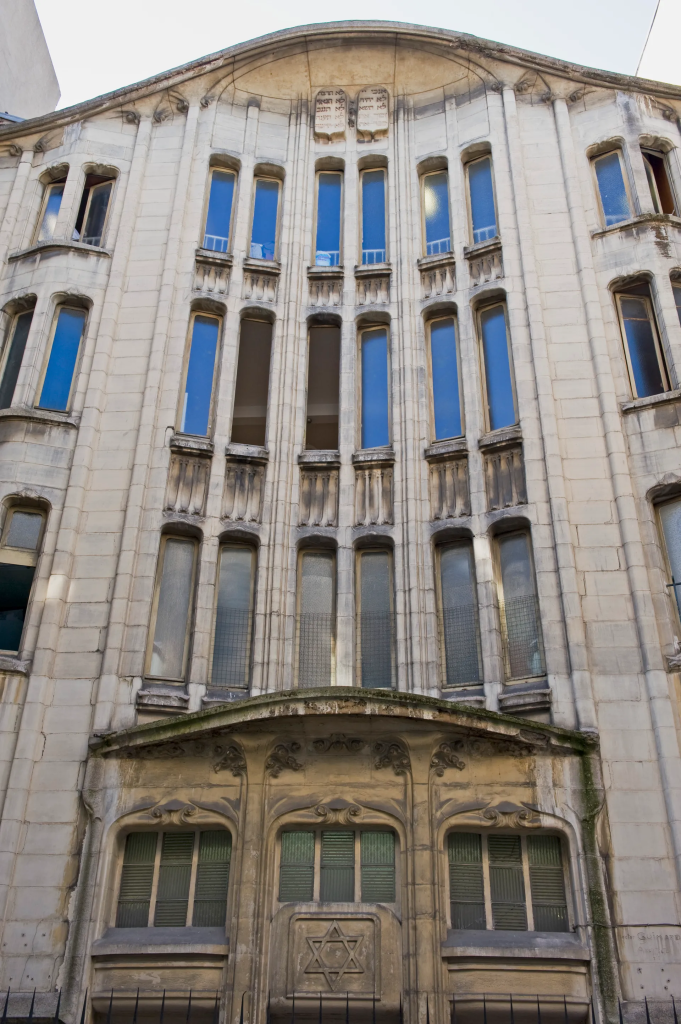
Agoudas Hakehilos Synagogue, Paris, France
Hector Guimard was one of the leading exponents of Art Nouveau in Paris, best known for his beautiful entrances to the city's metro. Located in the Le Marais district, Guimard's Agoudas Hakehilos Synagogue (also known as the Rue Pavée Synagogue) was built in 1913 and features an exterior motif inspired by the Ten Commandments.
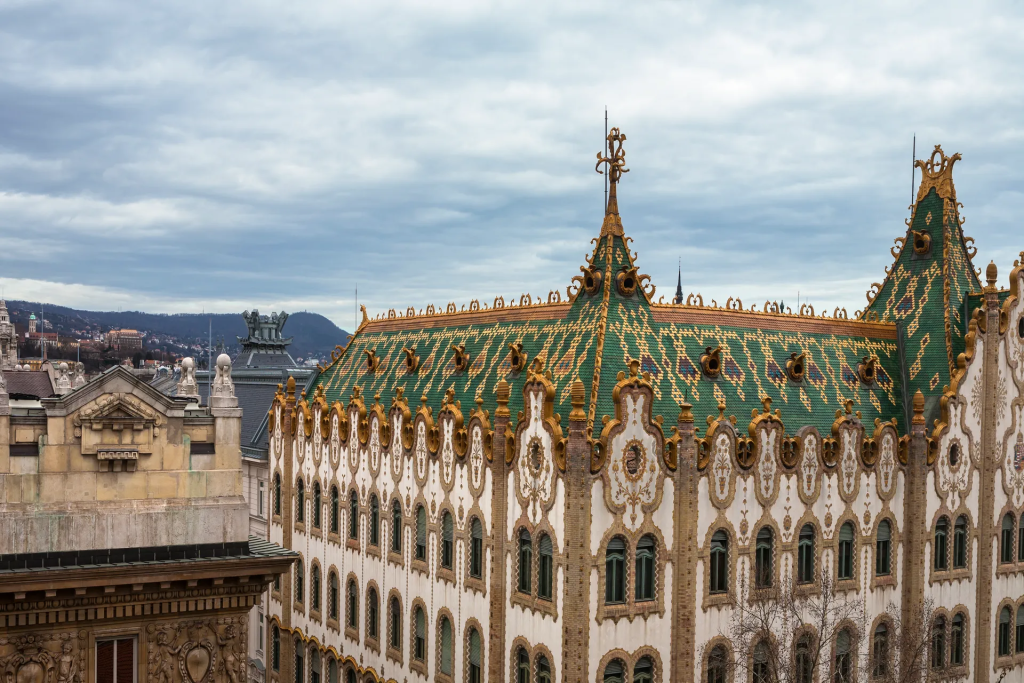
National Treasury Building, Budapest, Hungary
Ödön Lechner, the architect of this stunning building, is known as "the Hungarian Gaudí." It's no easy feat to create a structure that stands out in a city with revered architectural marvels dating back to the 13th century, but its vibrant green roof and gleaming gold details make it a jewel of Budapest's modernism. Originally conceived as the Hungarian Postal Savings Bank, it opened its doors in 1901. The facade design incorporates flowers reminiscent of local embroidery. Other famous works by Lechner in the Hungarian capital include the Geological Institute building and the Museum of Applied Arts, both built at the beginning of the 20th century.
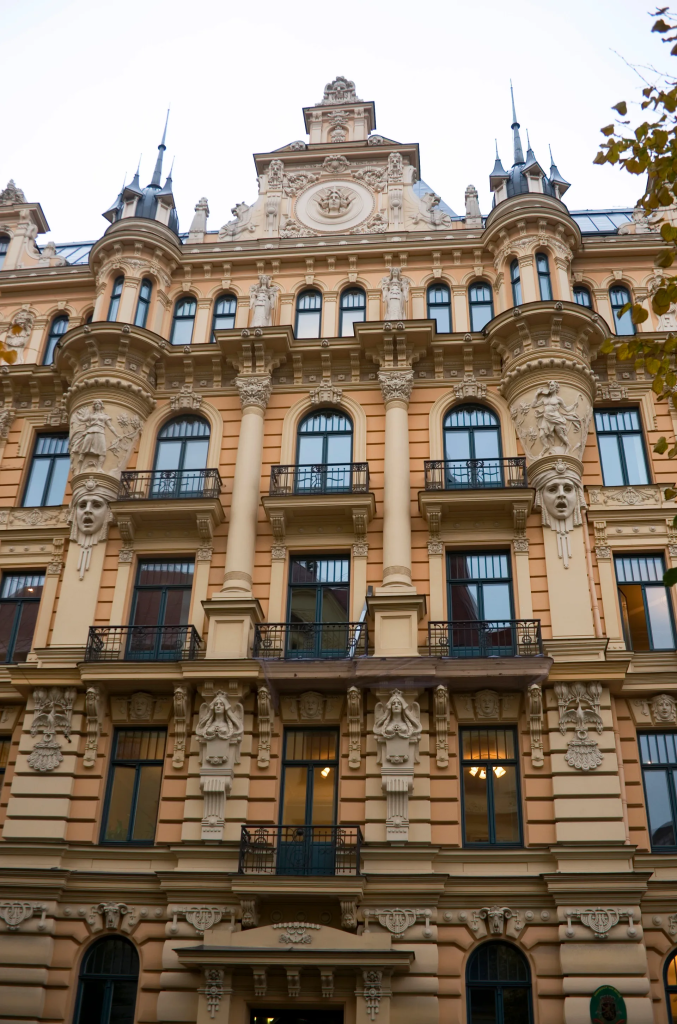
Alberta lela, Riga, Latvia
Riga is famous for its astonishing number of modernist buildings. One of its most prolific designers was the Russian Mikhail Osipovich Eisenstein, who designed several of these structures, including many of the ornate apartment buildings that line Alberta Street.
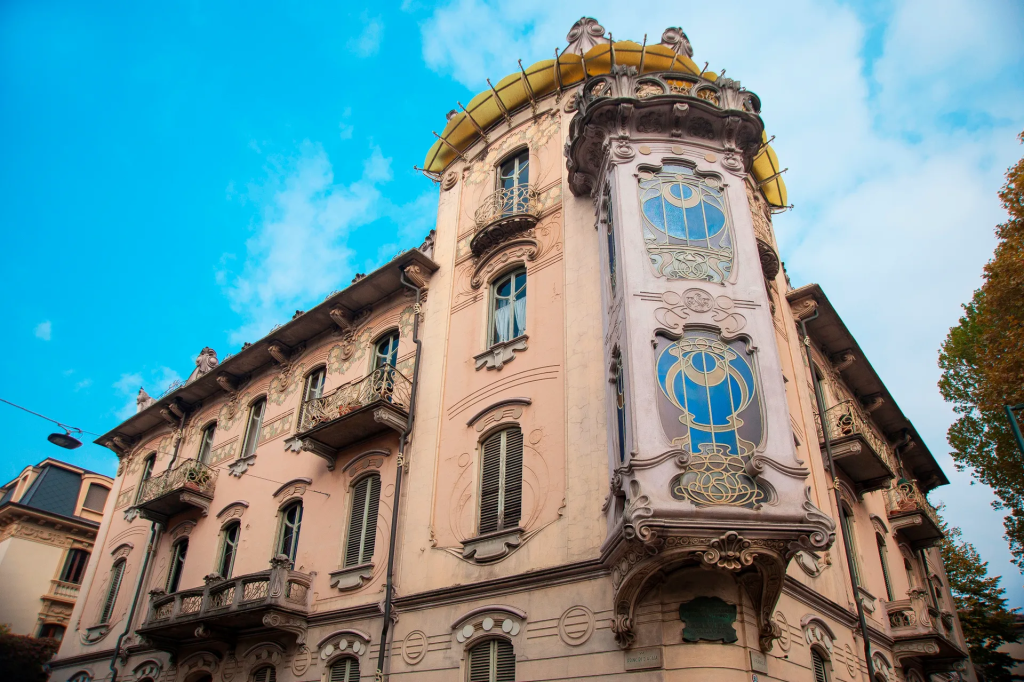
Fenoglio-Lafleur House, Turin,Italy
The Italian variant of Art Nouveau architecture is known as Stile Liberty, a term derived from the famous Liberty & Co. store in London, whose founder, Arthur Lasenby Liberty, was known for selling decorative pieces imported from China and Japan. However, the term is an accurate descriptor of the expressive nature of Italian Art Nouveau buildings , such as the Casa Fenoglio-Lafleur in Turin. Four stories high on the corner of Corso Francia and Via Principi d'Acaja, the historic house was built between 1902 and 1903 by Pietro Fenoglio, originally conceived as a studio and residence for the architect and his family. The floral ornamentation and curvilinear wrought-iron details of its exterior have made the Casa Fenoglio-Lafleur a masterpiece of Stile Liberty .
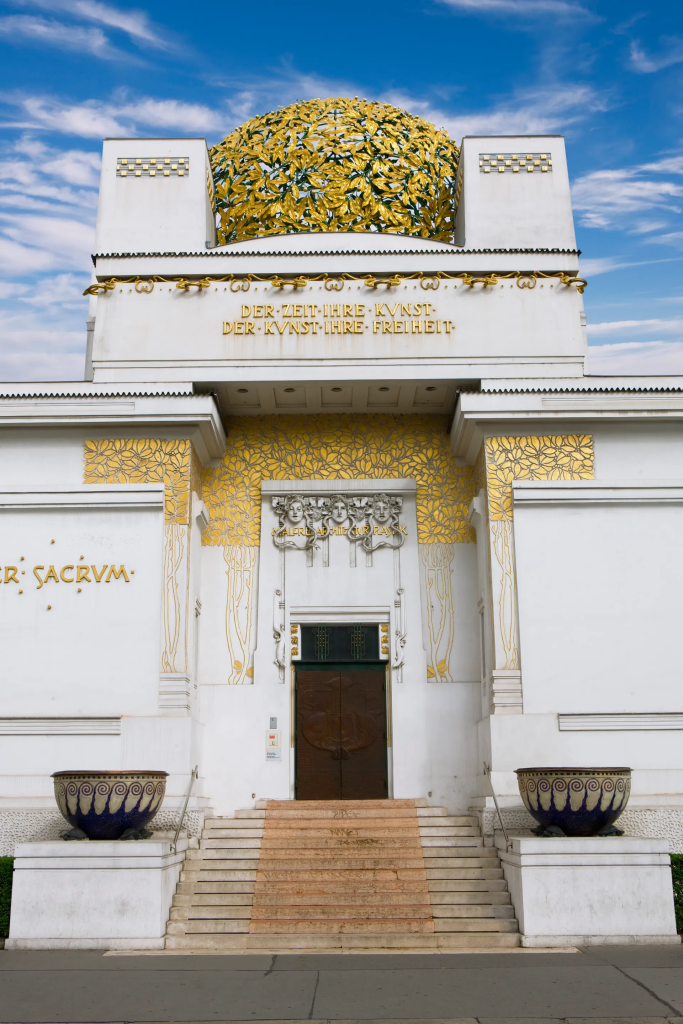
Secession Building, Vienna, Austria
Designed by architect Joseph Maria Olbrich, the building was constructed as an exhibition hall for artists and designers of the Secessionist movement. The structure, inaugurated in 1898, is crowned by a distinctive gilded wrought-iron laurel-leaf dome.
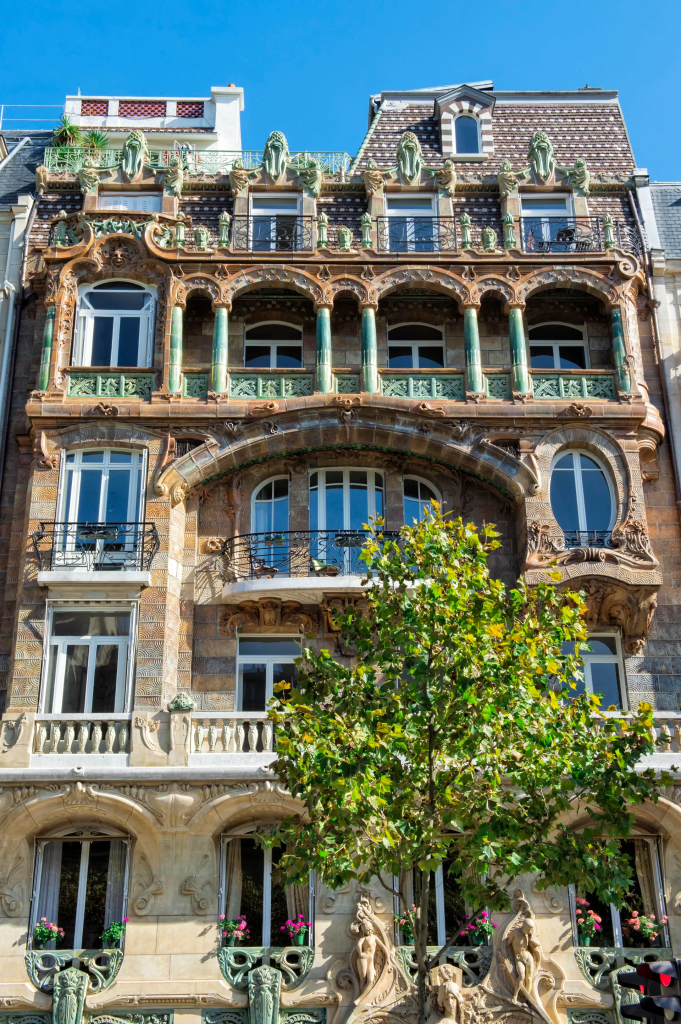
Lavirotte Building, Paris, France
The 7th arrondissement of Paris boasts some of the city's most famous examples of Art Nouveau , particularly along the facades of Avenue Rapp, where the Lavirotte Building stands. Named after its architect, Jules Lavirotte, it was built between 1899 and 1901, featuring sinuous botanical details and ceramic tiles by Alexandre Bigot on the exterior. The building won first prize in the 1901 Paris façade competition. References to Adam and Eve can be seen in the elaborate entrance of the seven-story structure.
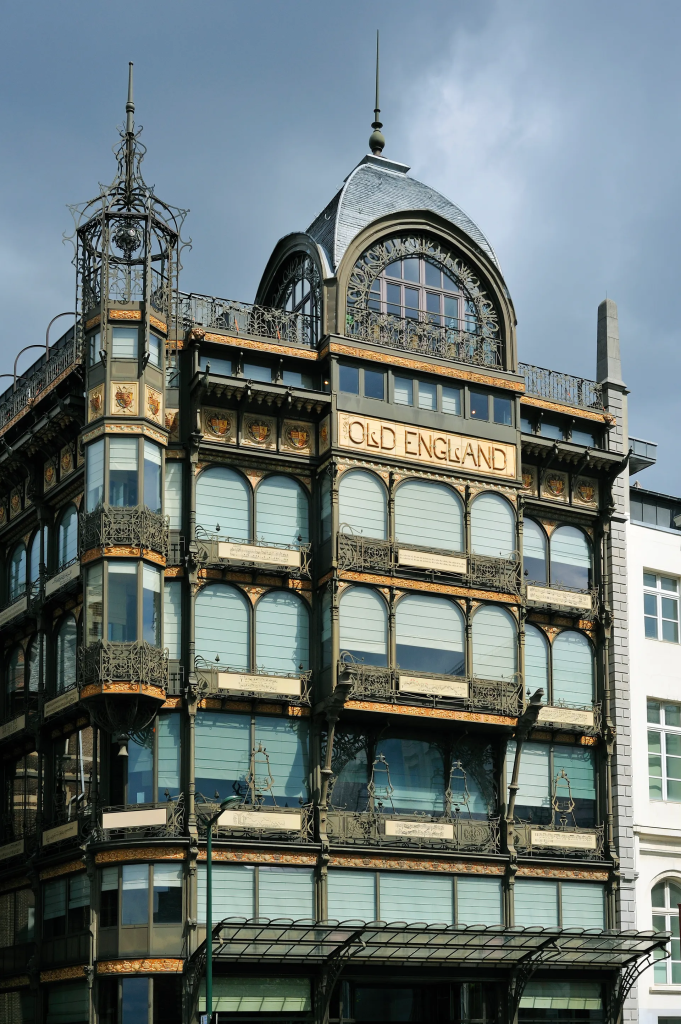
Old England Building, Brussels, Belgium
Designed by architect Paul Saintenoy, the Old England building was constructed in 1899 and is considered one of Art Nouveau . The former department store now houses the Musical Instruments Museum. The exterior is adorned with numerous panels displaying musical phrases, as well as characteristic Art Nouveau touches such as a floral motif and swirling ironwork.
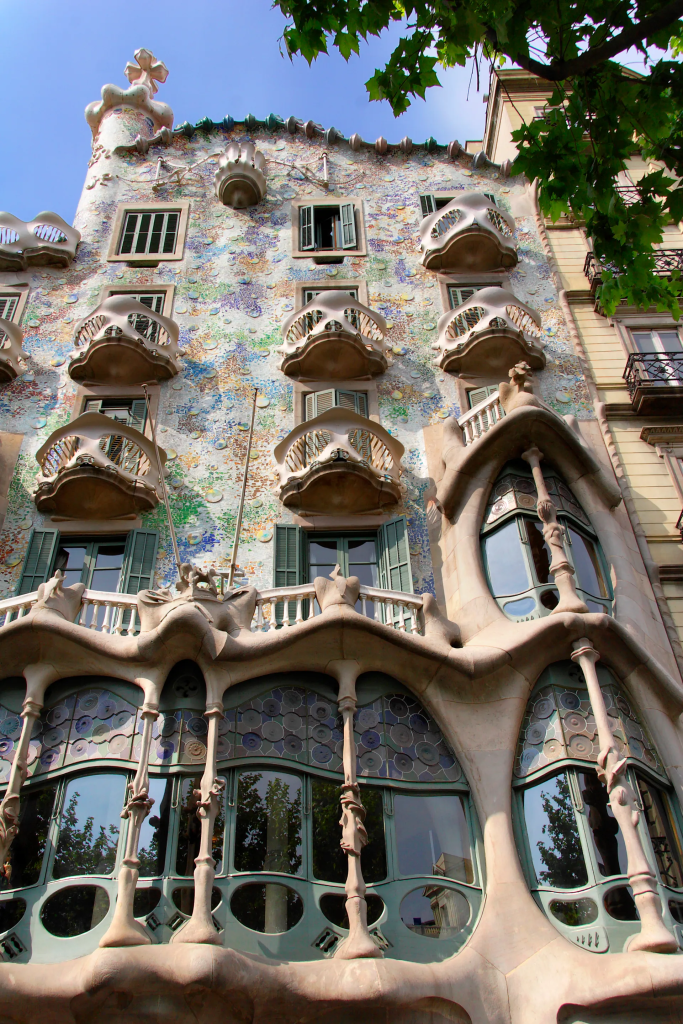
Casa Batlló, Barcelona Spain
Gaudí brought his exuberant Modernist style to Barcelona and created many of the city's architectural landmarks. Casa Batlló, located on Passeig de Gràcia, is one of his most famous works and alludes to the legend of Saint George and the dragon. Its exterior is clad in colorful pieces of broken ceramic, while the roof is covered in scalloped tiles.
Source: https://www.revistaad.es/







