


We've been hearing about sustainable architecture for several years now. Various certifications exist that validate buildings with different levels of sustainability, and many projects today receive recognition for achieving a certain degree of sustainability. But are these buildings truly being completely sustainable?
We're going to explain here some of the characteristics that make a building truly sustainable. So, to begin, let's clarify something: perhaps we're misusing certain terms, like "sustainable." Today, architecture can't just be sustainable; it must be sustainable.
Sustainability and sustainable development go hand in hand; we sometimes use the words interchangeably since, broadly speaking, both aim for the same thing. However, sustainable development goes a step further. While sustainable development focuses primarily on the environment, sustainable development takes into account economic, social, political, and cultural factors.
Sustainable architecture doesn't focus solely on the construction of buildings; it considers the creation, the process, the experience, and the eventual deterioration of each project. Therefore, it takes into account not only materials and construction, but also the users and, when the time comes, its disposal, as well as the waste generated, both from the materials used and from the waste produced upon completion. It's about considering architecture as a whole, not just as a building.
Sustainable architecture
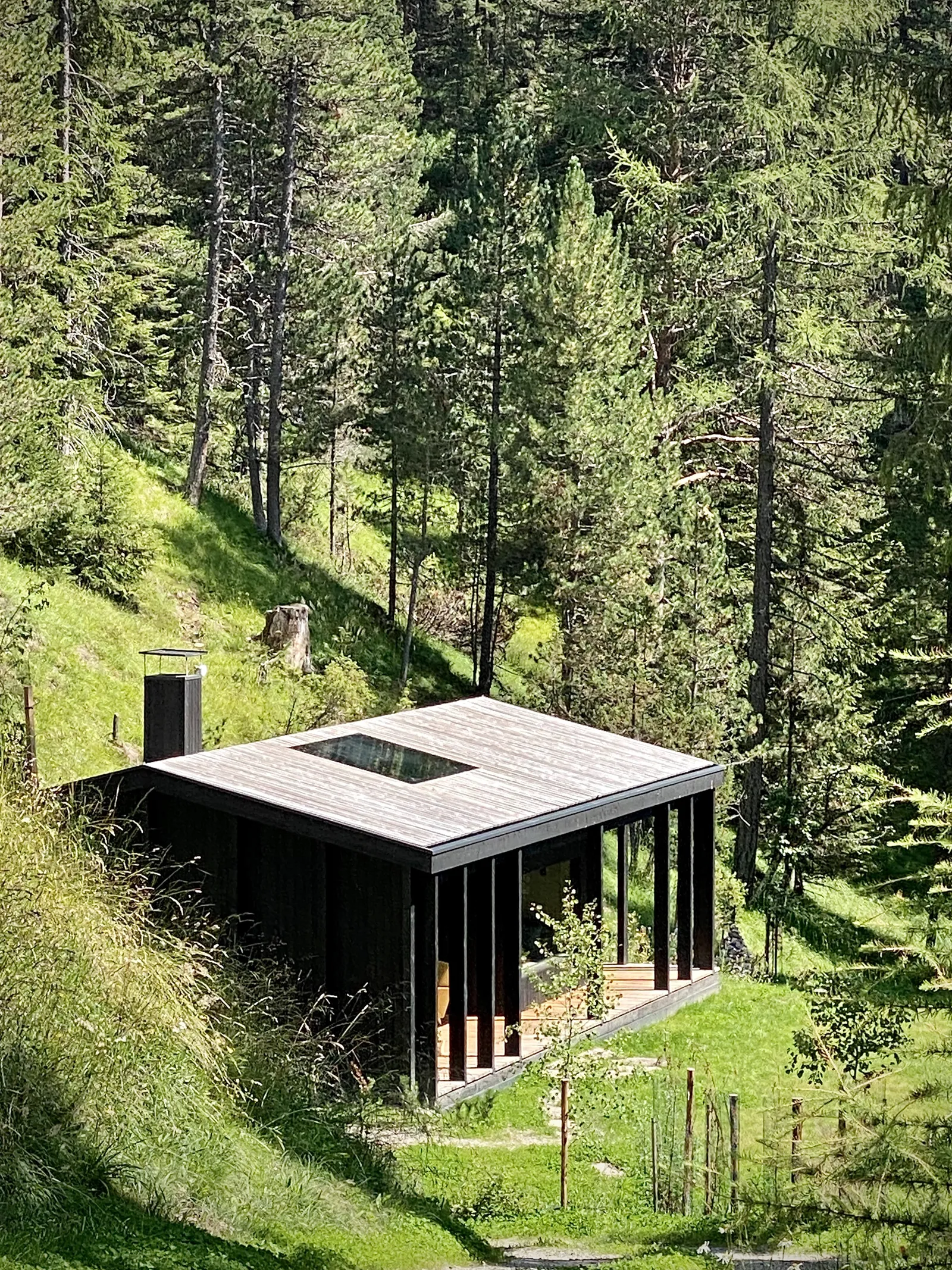
Without further ado, let's explain some of the characteristics that make sustainability possible. We live in times where technology is advancing by leaps and bounds every day, so the building must integrate this technology with its aesthetics and the natural environment in which it is located. It also needs to integrate this natural environment into itself. Nature must be part of the project and have a truly efficient space.
Architecture must be designed to maximize space, consider decent ceiling heights, and ensure the layout of the building's systems is as logical and organized as possible. The efficiency of these spaces is often overlooked in the design process; only the aesthetics are considered, and the functional aspects are neglected. So yes, sustainability begins with the very first sketches in your notebook.
Natural light, one of the elements that most benefits or harms an architectural work, is gaining strength and importance every day. Therefore, it is viable to use light to beautify spaces, highlight their qualities, and enhance the experience of them. Louis Kahn said, "The sun didn't know its greatness until it fell upon the face of a building." However, buildings in the past did not take full advantage of the benefits that sunlight provided.
Proper orientation can save a building a significant amount of electricity, not to mention the economic savings that this entails.
Finally—and perhaps the reason that has gained the most traction in recent years—waste management is extremely important. We no longer just need to reduce waste; it's no longer enough to generate less. We need what is generated to be beneficial to the building itself, and of course, to the immediate environment, as well as to its inhabitants. Imagine
a building that generates more energy than it consumes or that uses its waste for composting or recycling.
This is positive impact—the key term, the one I want you to remember when reading about something as frequently mentioned lately as sustainable architecture. Simply put, a building with a positive impact is one whose disappearance would be worse for the environment.
In Cal Guerxo, a place three hours from Barcelona, we find one of the examples built under this concept. It's a house built in the Pyrenees by Emmanuel Pauwels, one of the pioneersof green architecture in Spain and founder of Green Living Projects. I invite you to seek out this great example of architecture and understand why Emmanuel tells us, "when one works in harmony with nature, the result is beauty."
Source: https://www.admagazine.com/
Photo: Arno Senoner / Unsplash.







