


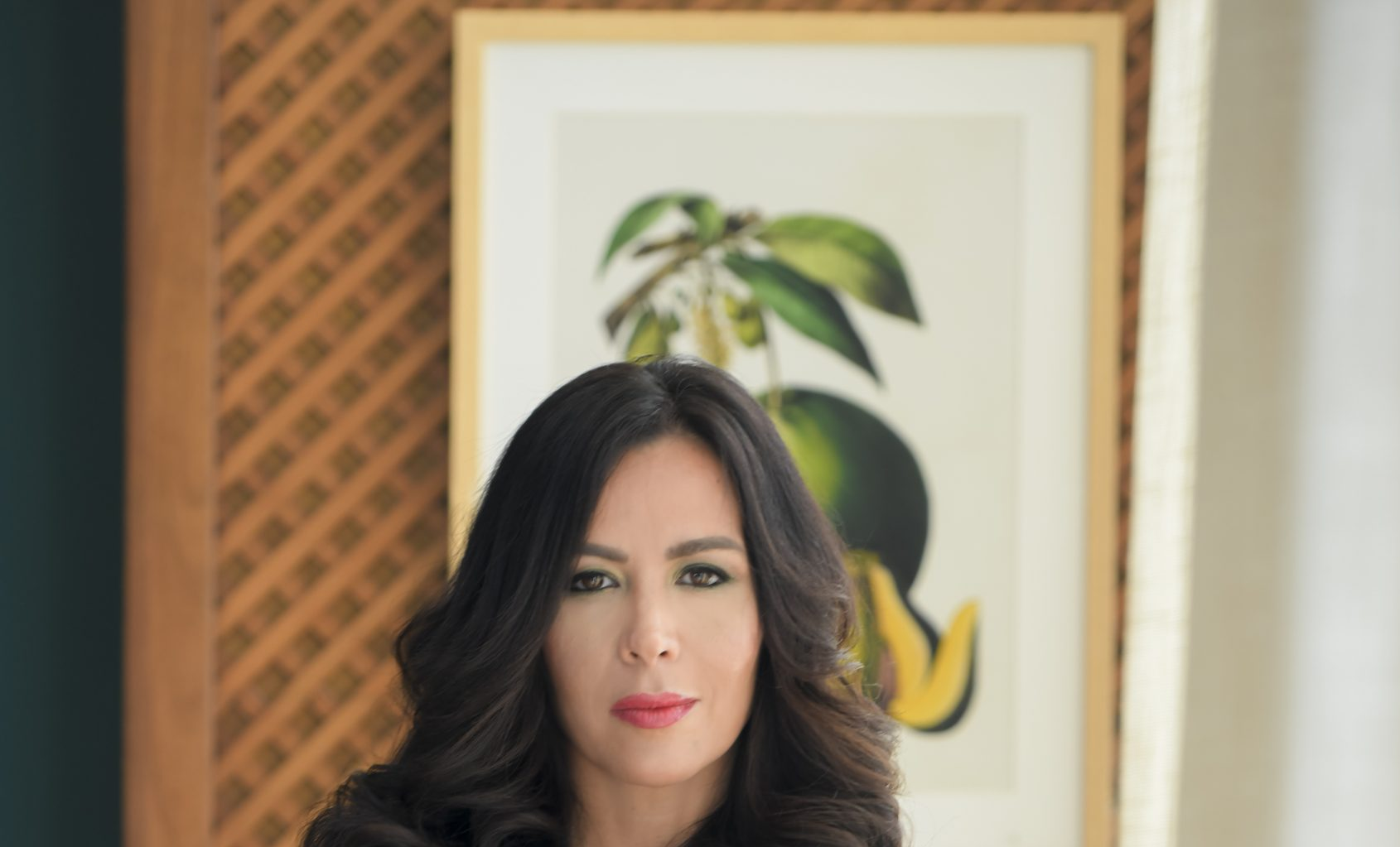
By Yermys Peña
For years, talking about sustainable investment has been an ambiguous exercise. Each country, each bank, each company—even each developer—defined for itself what it considered “green.” The result? Projects with environmental labels lacking technical support, traceability, and real guarantees of impact.
In response to this conceptual gap, a key tool emerges: the Green Taxonomy. This is a classification system that, according to the International Finance Corporation (IFC), “defines which economic activities can be considered environmentally sustainable, based on scientific, technical, and financial criteria.”.
In 2023, the Dominican Republic officially launched its own Green Taxonomy as part of its commitment to international standards for climate finance and sustainable development. Today, it is in a phase of gradual implementation, focusing on strategic sectors such as energy, water, transportation, and—especially—construction.
This framework is not merely decorative: it is binding. And it is beginning to directly influence access to financing, tax benefits, certifications, and risk assessment by banks and investors.
What does this mean for the construction industry?
The Dominican Green Taxonomy introduces clear technical criteria for classifying a project as sustainable. In the case of the construction sector, this translates into demonstrating with data:
- Measurable energy efficiency (kWh/m² by type)
- Reduction of greenhouse gas emissions
- Use of traceable and low environmental impact materials
- Responsible water and waste management
- Strategic location that minimizes dependence on individual transportation
- Application of international standards such as LEED, EDGE or other equivalents
In other words: sustainability is no longer just an intention. It is a technical and measurable obligation.
A new filter for financing
The implementation of this tool redefines access to capital. With the active taxonomy, banks and funds will be able to channel resources only to projects that meet validated sustainability indicators. Developments that cannot demonstrate their impact will fall outside the scope of responsible investment.
In contrast, those already operating under solid technical standards—like many of ours—will be in a prime position to raise capital, attract allies, and obtain institutional support.
The Dominican Green Taxonomy is not a symbolic document. It is a sector-wide platform. Its implementation will be gradual, but inevitable. And it will require a transformation in the way all actors in the ecosystem work: banks, the government, developers, technicians, and consultants.
From my perspective as an architect specializing in sustainability—and as part of the teams that collaborated on building this framework—I can say with certainty: the taxonomy raises the bar. And protects us from superficiality.
We are facing a new common language, metrics that matter, and a future where being green is not just talked about: it is demonstrated.
The author is an architect and construction entrepreneur. Member of the Forbes Business Council.







