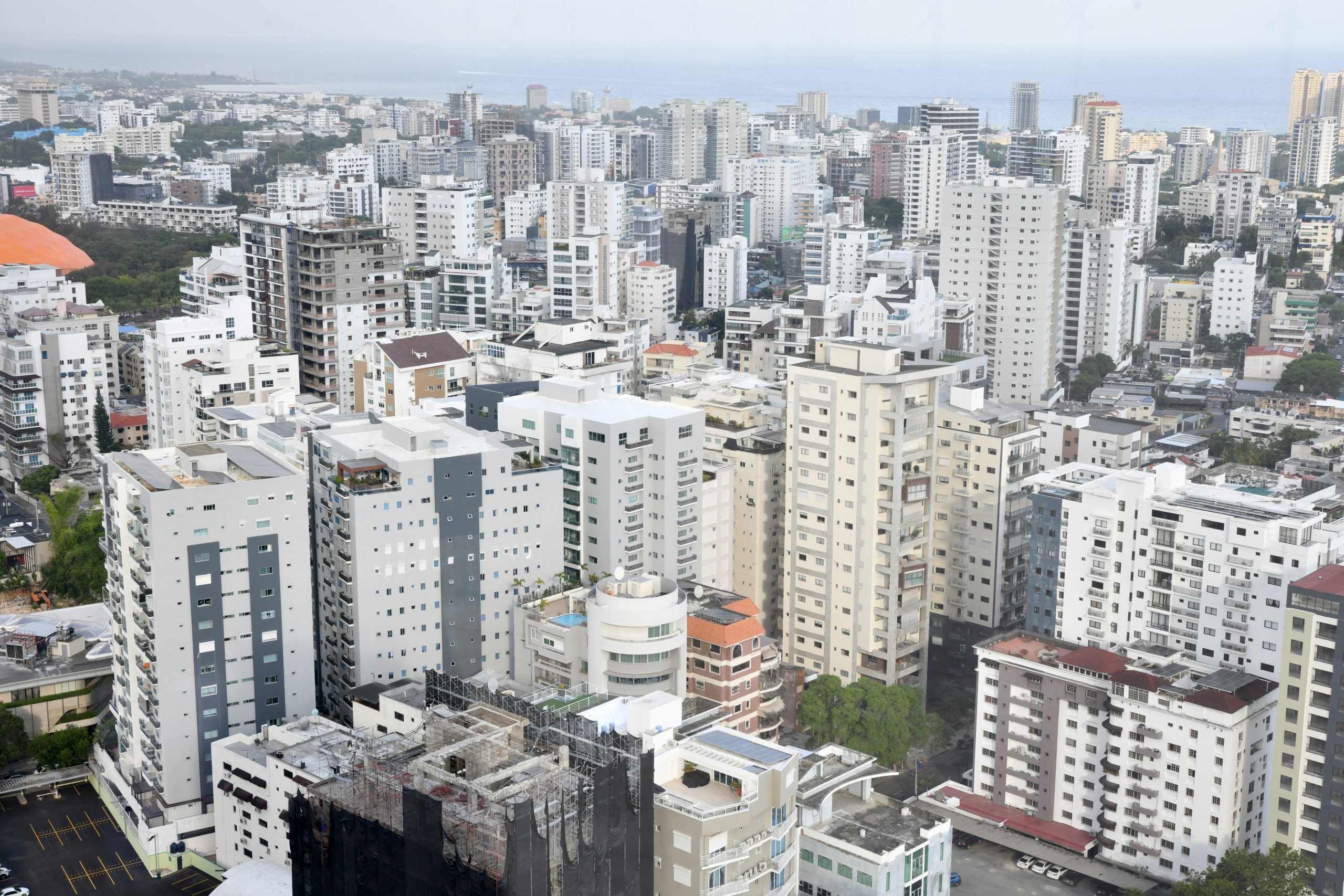
The commercial, corporate, and industrial real estate market in the Dominican Republic has been evolving significantly over the last decade.
For years, the dynamic was clear: local companies, families, and investors bought, developed, and operated their own assets. It was a direct market, with little intermediation and owner-centric decision-making.
That model still exists and will continue to exist. But in the last 10 years, the entry of real estate investment funds has been transforming the way assets are bought, structured, and valued.
From direct ownership to investment structure
Real estate funds operate under a different model. In the Dominican Republic, regulated funds invest primarily in commercial, corporate, and industrial assets, and in some cases, infrastructure related to energy and other sectors. They do not invest in residential assets.
Their approach is clear: acquire assets that generate stable cash flow and appreciate over time. They don't buy properties. They buy income. This raises the market standard and redefines what assets are truly competitive.
A phenomenon that has already occurred in other markets
Ten or fifteen years ago, Central and Latin American markets had dynamics similar to those of the Dominican Republic: high concentration of local ownership and little institutionalization. With the influx of funds, those markets evolved.
Today, in countries like Costa Rica, Panama, or Colombia, and more extensively in the United States and Europe:
• the main assets are in institutional hands,
• decisions are based on financial metrics,
• contracts are standardized,
• management is professional.
The market ceases to be for owners and becomes for investment structures.
What they are looking for and what they are finding
Globally, funds prioritize Class A assets: well-located, with solid tenants and long-term leases. However, these assets are not always available.
Often they are not for sale. This has led funds to participate in the entire cycle:
• developing from scratch,
• entering early stages,
• or acquiring assets to transform them.
This presents a significant opportunity. Well-located Class B and C assets can be repositioned.
Buildings or parks with a solid foundation can be remodeled, updated, and brought up to more institutional standards.
This includes:
• physical improvements,
• reconfiguration of spaces,
• contract updates,
• improved asset management.
There is also interest in niches such as energy and infrastructure, where the flow is linked to critical operations. Not all the value lies in what is new. Much of it lies in knowing how to transform.
The challenge and the opportunity in the Dominican Republic
One of the challenges in the Dominican market is that many assets are not yet structured for this type of investor. But therein lies the opportunity. Through trusts and development funds, projects have been structured with more institutional criteria. And at the same time, there is a significant inventory of assets that, with proper management, can evolve toward that standard.
Where are we going?
The trend is clear: greater institutional participation, better-structured assets, and increasingly financial decision-making. The Dominican Republic is not just beginning this process; it has been building it over the last decade.
The Dominican real estate market has been evolving towards a more institutional model. And understanding how funds operate is no longer an advantage.
Recommended readings:
- Funds, companies, and private equity are redefining real estate in the Dominican Republic: Understanding who is buying is key to making better decisions
- The real estate market in the Dominican Republic has grown significantly in recent years: More projects, more companies, more investment
- US capital in the Dominican Republic: the force that is redefining the commercial and industrial real estate market