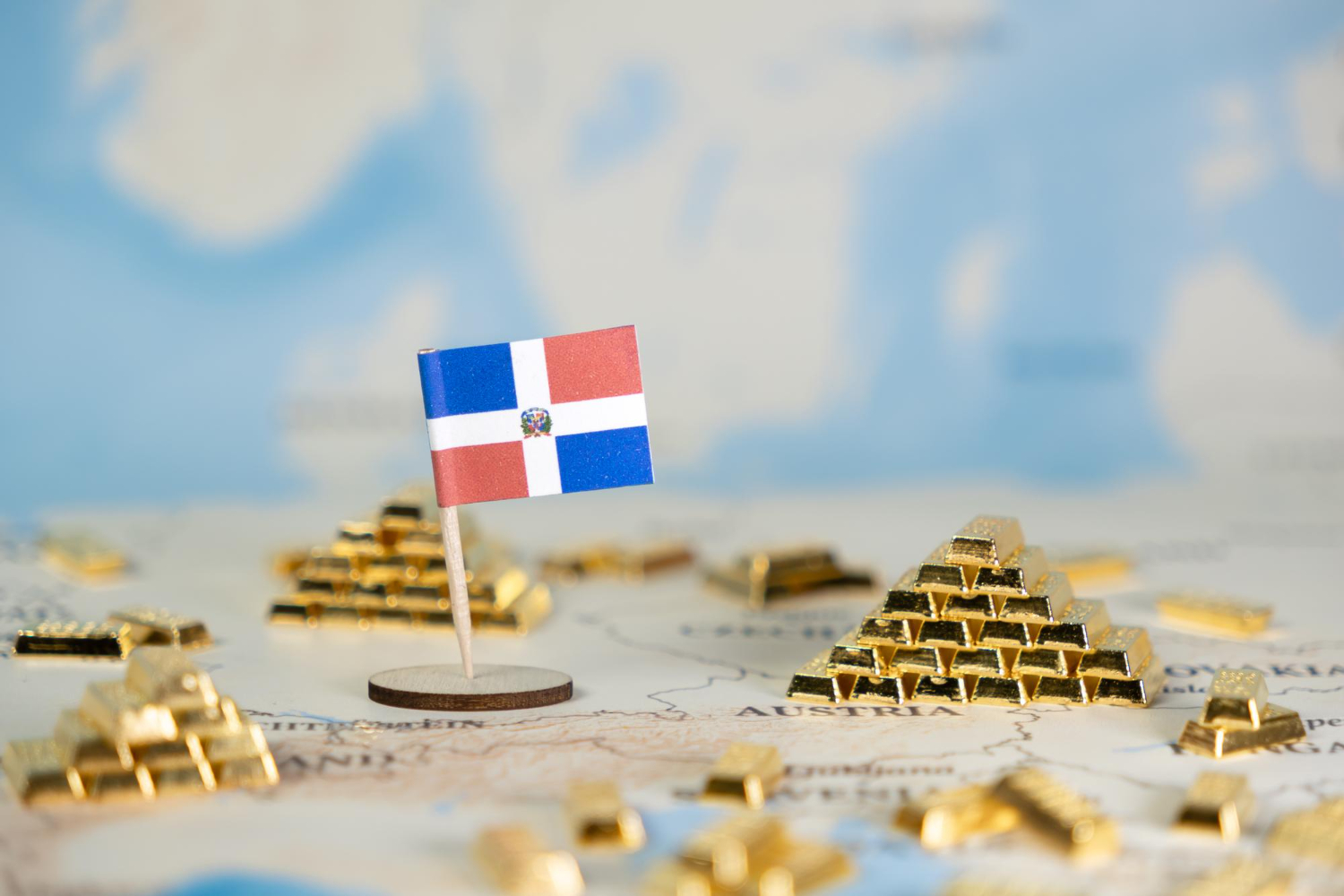
SANTO DOMINGO– The Dominican Republic continues to position itself as one of the most attractive destinations for tourism investment in Latin America and the Caribbean. The country closed 2025 with foreign direct investment exceeding US$5 billion, one of the highest figures in its recent history, driven by strategic sectors such as tourism, energy, free trade zones, infrastructure, and real estate.
The sustained growth in visitor arrivals, macroeconomic stability, the development of new infrastructure, and a legal framework favorable to foreign investment have made tourism one of the main drivers of the Dominican economy.
For those considering developing a hotel, a resort, a tourism-related real estate project, a marina, a theme park, or complementary infrastructure, the Dominican Republic offers tax incentives, institutional support mechanisms, and a legal framework that grants foreign investors the same rights as nationals.
This guide explains, step by step, how to invest in tourism in the Dominican Republic, what the requirements are, what incentives exist, and which institutions participate in the process.
Can a foreigner invest in the Dominican Republic?
Law 16-95 on Foreign Investment establishes the principle of equal treatment between foreign and Dominican investors. This means that a foreign individual or legal entity can invest in the country under the same conditions and with the same rights and obligations as a domestic investor.
The legislation allows foreign investment to be made through:
- Capital contributions in foreign currency.
- Physical assets and equipment.
- Industrial machinery.
- Technological assets.
- Brands and franchises.
- Reinvestment of profits.
- Real estate investments.
Likewise, the law recognizes the investor's right to repatriate capital and dividends obtained from their investments, provided they comply with the corresponding tax obligations.
Why invest in tourism in the Dominican Republic?
Tourism is one of the most dynamic sectors of the Dominican economy.
The country's strategic location, its air connectivity, political and economic stability, as well as the diversity of available destinations, have allowed it to consolidate a tourism offer that transcends the traditional sun and beach model.
Investment opportunities currently exist in:
Hotels and resorts
Development of urban hotels, holiday resorts, boutique hotels and integrated tourist complexes.
Real estate tourism
Residential projects linked to tourism, villas, tourist apartments and mixed developments.
Ecotourism
Initiatives focused on natural parks, sustainable experiences and eco-friendly accommodations.
Health tourism
Specialized hospitals, recovery centers, wellness and medical tourism.
Adventure tourism
Projects related to extreme sports, recreational activities and experiential tourism.
Cultural tourism
Infrastructure focused on historical heritage, cultural experiences and artistic promotion.
Complementary infrastructure
Marinas, harbors, convention centers, theme parks, golf courses and tourist restaurants.
Step 1: Define the investment project
Before starting any procedure, it is advisable to develop a preliminary plan that allows you to determine:
- Project type.
- Location.
- Size of the investment.
- Target market.
- Implementation schedule.
- Financial structure.
This stage facilitates the feasibility assessment and allows identifying whether the project can benefit from Law 158-01 for the Promotion of Tourism Development.
Step 2: Incorporate a company in the Dominican Republic
Most tourism investments are developed through a commercial company.
The process generally includes:
Registration of the trade name
The application is made to the National Office of Industrial Property (ONAPI).
Constitution of the company
It can be carried out under various legal figures contemplated by Dominican legislation.
Commercial Registry
It must be processed through the corresponding Chamber of Commerce and Production.
Obtaining the RNC
The National Taxpayer Registry is issued by the General Directorate of Internal Taxes (DGII).
Employment record
The company must register with the Social Security Treasury (TSS).
Step 3: Register foreign investment
Once the investment has been made, Law 16-95 establishes that it must be registered with the Central Bank of the Dominican Republic.
The investor has 90 days to complete this procedure.
The required documents include:
- Registration application.
- Evidence of income of capital or assets.
- Company incorporation documents.
- Information about the project and economic activity.
Upon completion of the process, the Central Bank issues the Foreign Investment Registration Certificate.
Step 4: Obtain sector-specific authorizations
Depending on the nature of the project, various institutional approvals may be required.
Among them:
Land use
Issued by the relevant municipal authorities.
Tourism assessment
Produced by the Ministry of Tourism (MITUR).
Environmental permit
Awarded by the Ministry of Environment and Natural Resources.
Building permit
Managed before the Ministry of Housing, Habitat and Buildings (MIVHED) and other competent entities.
What is CONFOTUR?
The Tourism Development Council (CONFOTUR) is the body responsible for administering the incentives contemplated in Law 158-01.
Its main function is to evaluate tourism projects and determine if they qualify to access the tax benefits established by law.
CONFOTUR is made up of representatives from the Ministry of Tourism, Ministry of Finance, Ministry of Environment, Ministry of Culture and representatives from the private sector.
Which projects are eligible for CONFOTUR?
The law considers the development of the following to be of special interest to the State:
- Hotels.
- Resorts.
- Tourist resorts.
- Convention centers.
- Trade fairs and congresses.
- Tourist ports.
- Marines.
- Theme parks.
- Ecological parks.
- Golf courses.
- Recreational infrastructure.
- Tourist restaurants.
- Service infrastructure for tourism projects.
Complementary projects directly linked to tourism development may also be included.
What are CONFOTUR's tax incentives?
The benefits can represent a significant reduction in the project's tax burden.
The main incentives include:
Income Tax Exemption
Approved projects may be eligible for tax exemptions for a period of up to ten years.
Exemptions on real estate transfers
They include certain taxes linked to the acquisition and transfer of real estate used in the project.
Exemptions for the formation and expansion of companies
Certain taxes associated with these operations may be exempted.
Import tax exemption
It applies to equipment, machinery and materials required for construction and initial operation.
ITBIS Exemption
It can be applied to goods and equipment related to the implementation of the project.
Financing benefits
The law includes benefits related to certain financing linked to approved projects.
How to apply for CONFOTUR Provisional Classification
The Provisional Classification is the first step to access the incentives.
Generally required:
- Application form.
- Detailed project description.
- Investment budget.
- Evidence of the origin of the funds.
- Participation of local and foreign capital.
- Bank references.
- Corporate documentation.
- Powers of representation.
- Preliminary studies of the project.
The documentation is evaluated by CONFOTUR to determine the viability and eligibility of the investment.
How to obtain the Final Ranking
Once the project progresses and meets the conditions established during the provisional phase, the investor can request the Definitive Classification.
This stage usually requires:
- Evidence of project execution.
- Permits obtained.
- Institutional certifications.
- Updated technical documentation.
- Resolutions issued during the provisional classification.
Final approval formally enables access to the corresponding tax benefits.
Environmental requirements for tourism projects
Sustainability is one of the pillars of Dominican tourism legislation.
Every project must include:
- Environmental impact studies.
- Technical evaluations.
- Environmental permits.
- Mitigation plans where appropriate.
Law 158-01 establishes that no project can benefit from incentives if it does not have the corresponding environmental authorizations.
Permitting process for a tourism investment
In simplified terms, the institutional route usually follows this order:
- Registration of the trade name.
- Company formation.
- Commercial Registry.
- Obtaining the RNC.
- Registration with the TSS.
- Land use approval.
- MITUR evaluation.
- Environmental license.
- Building permit.
- Application for Provisional Classification CONFOTUR.
- Cost-benefit analysis.
- Final Classification.
- Application for tax exemptions.
Single Investment Window (VUI)
ProDominicana operates the Single Investment Window (VUI), a tool designed to simplify and centralize procedures related to investment projects.
Its objective is to facilitate interaction between investors and public entities, reducing time and improving institutional coordination.
Through this platform, investors can receive guidance on:
- Permits.
- Licenses.
- Sectoral requirements.
- Institutional processing.
- Process monitoring.
Can a foreign investor obtain residency in the Dominican Republic?
Dominican legislation includes immigration mechanisms for foreign investors who make investments in the country.
Depending on the amount invested and the applicable regime, it is possible to opt for special immigration categories that facilitate the stay and development of business activities.
Therefore, it is recommended to consult directly with the General Directorate of Migration and specialized advisors before starting the process.
Key institutions for the tourism investor
| Institution | Function |
|---|---|
| ProDominicana | Promotion and support of investments |
| MITUR | Tourism regulation and planning |
| CONFOTUR | Tax incentives |
| Central Bank | Foreign Investment Registry |
| DGII | Tax obligations |
| Environment | Environmental licenses |
| MIVHED | Building permits |
| ONAPI | Trade name registration |
| TSS | Employment record |
| Migration | Investor Residence |
Frequently Asked Questions
Do I need a Dominican partner to invest?
No. The law allows foreigners to own projects and companies.
Can I buy land in the Dominican Republic?
Yes, subject to applicable legal provisions and certain specific restrictions established by regulations.
Do all tourism projects qualify for CONFOTUR?
No. They must meet the requirements established by Law 158-01 and be approved by the Tourism Development Council.
How long do the tax benefits last?
The law provides for exemptions that can be extended up to ten years for eligible projects.
Should I register the investment?
Yes. Law 16-95 establishes the obligation to register foreign investment with the Central Bank.
What happens if I fail to meet the project conditions?
The legislation contemplates the loss of incentives and the obligation to pay the taxes not collected by the State.
An opportunity backed by incentives and stability
Over the past few decades, the Dominican Republic has built one of the most robust investment attraction frameworks in the Caribbean. The combination of economic stability, sustained tourism growth, tax incentives, legal certainty, and institutional support has allowed it to consolidate a favorable environment for the development of international-scale tourism projects.
For foreign investors, understanding the permitting process, properly registering the investment, and leveraging tools like CONFOTUR and the Single Investment Window can make the difference between a conventional project and an investment with significant competitive advantages.
The key is to plan correctly, rely on specialized advice, and use the institutional mechanisms that the country has developed to promote the arrival of new capital to the tourism sector.
References
- Law 16-95 on Foreign Investment.
- Law 158-01 on the Promotion of Tourism Development and amendments.
- Dominican Republic Investment Guide 2025, ProDominicana.
- CONFOTUR requirements and procedures.
- ProDominicana, One-Stop Investment Window.
- Central Bank of the Dominican Republic.
You might be interested in our "Investor Guides" section: