


By Danielis Fermín
El Inmobiliario
SANTO DOMINGO– The Dominican Republic is one of the countries most affected by climate change. This situation has led various productive sectors to seek alternatives to reduce their environmental impact.
The construction sector, responsible for approximately 37% of global energy-related carbon dioxide (CO2) emissions, according to the Global Status Report on Buildings and Constructionpublished by the United Nations Environment Programme (UNEP), is a clear example of this trend.
To mitigate this impact, the Dominican State and international organizations have implemented environmental certifications that guarantee compliance with standards that protect natural resources and also ensure that constructions comply with regulations that promote efficient water and energy management, reducing emissions and waste.
Annerys Meléndez, president of the Dominican Association of Housing Builders and Developers (Acoprovi), states that “environmental certifications can differentiate a project in the market, attracting buyers interested in sustainable practices.” However, she also acknowledges that “they significantly increase the price, which some buyers are unwilling to pay.”.

Annerys Meléndez, president of Acoprovi. (External source).
Consumer interest in eco-friendly products and services extends to their homes and vehicles, leading builders to prioritize creating spaces that meet these demands. “Construction companies that obtain environmental certifications demonstrate their commitment to sustainability, improving their reputation and attracting investors and clients who value social and environmental responsibility,” Meléndez points out.
Building with a sustainable approach offers benefits such as tax and financial incentives, such as discounts on insurance or taxes, and a higher value in the real estate market.
The local market
In the Dominican Republic, the construction of new sustainable buildings must align with several regulations, although there is currently no specific standard for this type of building.
Law 1-12 of 2012 on the National Development Strategy 2030 establishes guidelines for the development of spaces that promote urban-rural equity and facilitate access to affordable, safe, and decent housing. Likewise, the General Law on the Environment and Natural Resources (64-00) defines the principles for the protection and conservation of the environment in all activities.
The country also has the Environmental Impact Assessment Regulation (Regulation 571-09 or its substitute), which includes procedures for assessing and mitigating the environmental impacts of construction projects, as well as requirements for energy efficiency and resource conservation.
Furthermore, the National Seismic-Resistant Building Standard (R-001) guarantees the seismic resistance of buildings, and the Sustainable Building Certification Program (3Rs Building Certification) recognizes buildings that follow the principles of reduce, reuse, and recycle. The Renewable Energy Incentive and Special Regimes Law (57-07) promotes the installation of renewable energy systems in new buildings.
At the international level, there are certifications such as Leadership in Energy & Environmental Design (LEED), Excellence in Design for Greater Efficiencies (EDGE), Haute Qualité Environnementale (HQE International) and the Building Research Establishment Environmental Assessment Method (BREEAM) that establish sustainability standards for buildings.
Challenges and measures
Although sustainable construction is a global trend, in the Dominican Republic developers face significant challenges, such as obtaining materials that meet sustainability certifications at a reasonable cost and the availability of professionals specializing in sustainable practices.
“Implementing sustainable practices in construction can be complicated due to a lack of adequate resources and the need to adjust processes and designs to meet certification requirements,” Meléndez points out.
Also, the costs associated with certification, changes in designs and materials, and the implementation of sustainable practices without significantly increasing project prices are critical aspects to consider. “The market may be reluctant to accept higher prices, which complicates adapting projects to these standards,” he added.
To facilitate the certification process and improve compliance, Meléndez proposes promoting the development of sustainable materials and services in the local market, as well as creating incentives for projects that integrate sustainable practices.
It suggests providing detailed guides on sustainable construction to offer developers and builders the information needed to adopt eco-friendly practices effectively and accessibly.
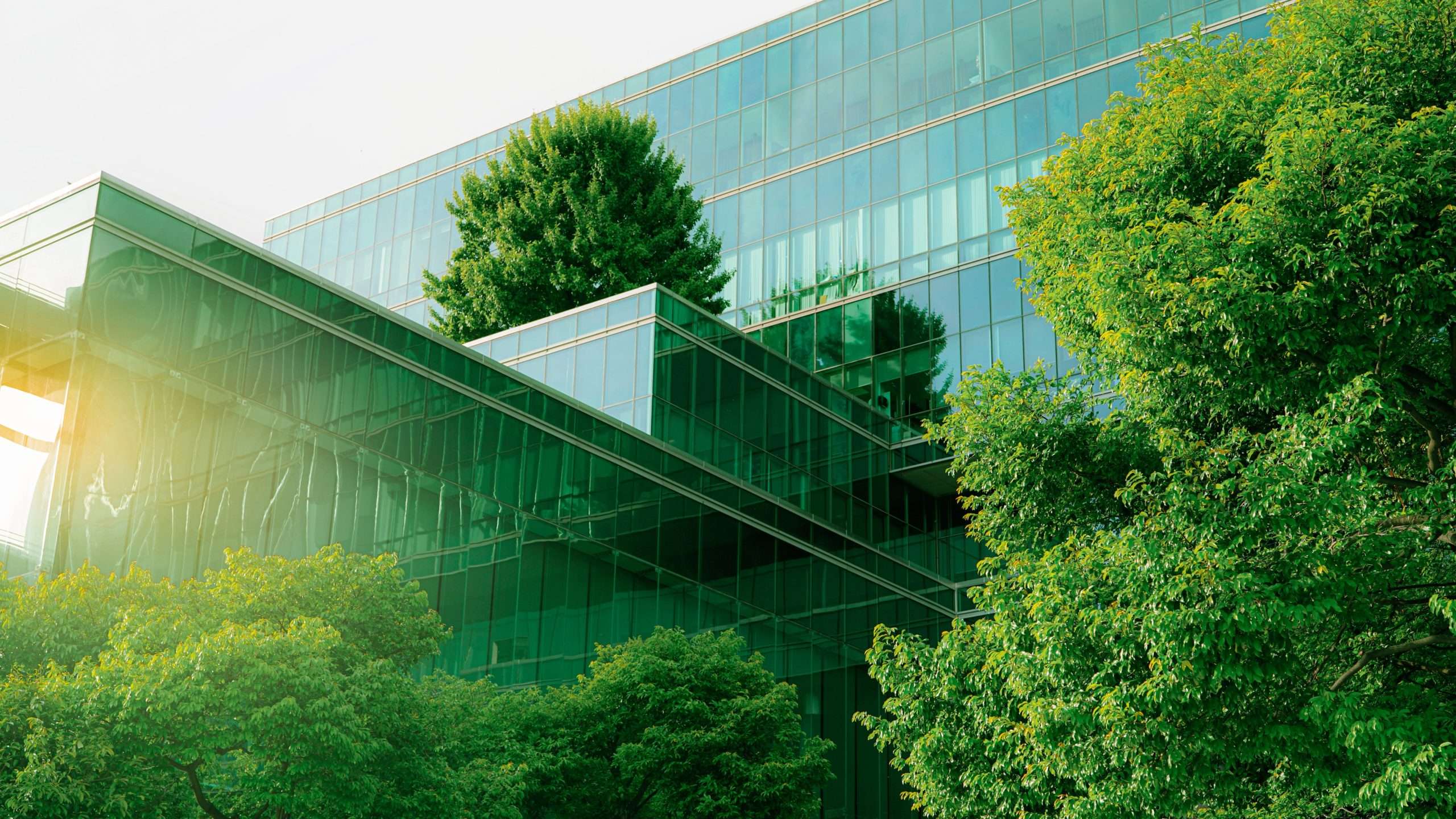
Caption: Cover photo: Canva.







