


Every summer, a cloud that traveled thousands of kilometers from Africa reminds us that there are forces beyond our control. The intelligent response, both personally and professionally, is not to ignore them or become paralyzed: it is to adapt
SANTO DOMINGO. – There is something almost poetic, and at the same time disturbing, in the fact that the world's largest desert visits us every year without warning, allergies aside.
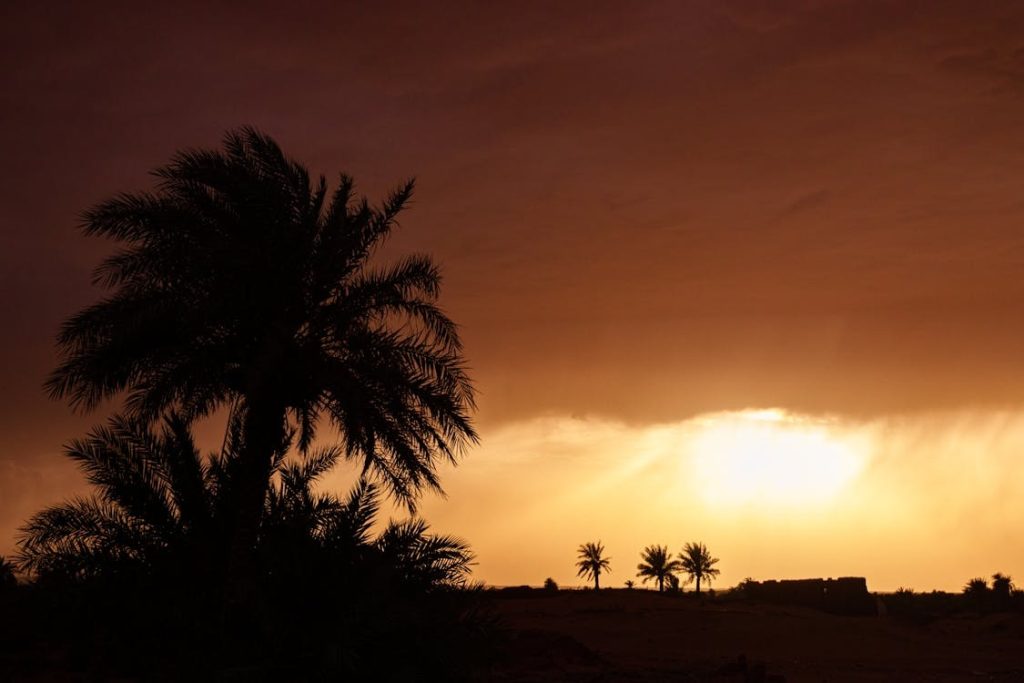
Saharan dust, that mass of microscopic particles that crosses the Atlantic driven by wind currents, reaches the Caribbean between May and September with a regularity that no longer allows for surprise, but does warrant attention.
What used to be a meteorological curiosity lasting two or three days has become a phenomenon that extends for weeks, covers the country's sky with an ochre haze, and forces a rethinking of daily routines, work, and health.
The question isn't if it's coming. The question is how prepared we are to receive it.
What medicine says: lungs first
The Dominican Society of Pulmonology and Thoracic Surgery issued an alert to the general public in early June. Its president, Dr. Maribel Jorge, warned in a statement that "the presence of Saharan dust over Dominican territory is a frequent natural phenomenon during the warmer months, but its effects on respiratory health should not be underestimated.".
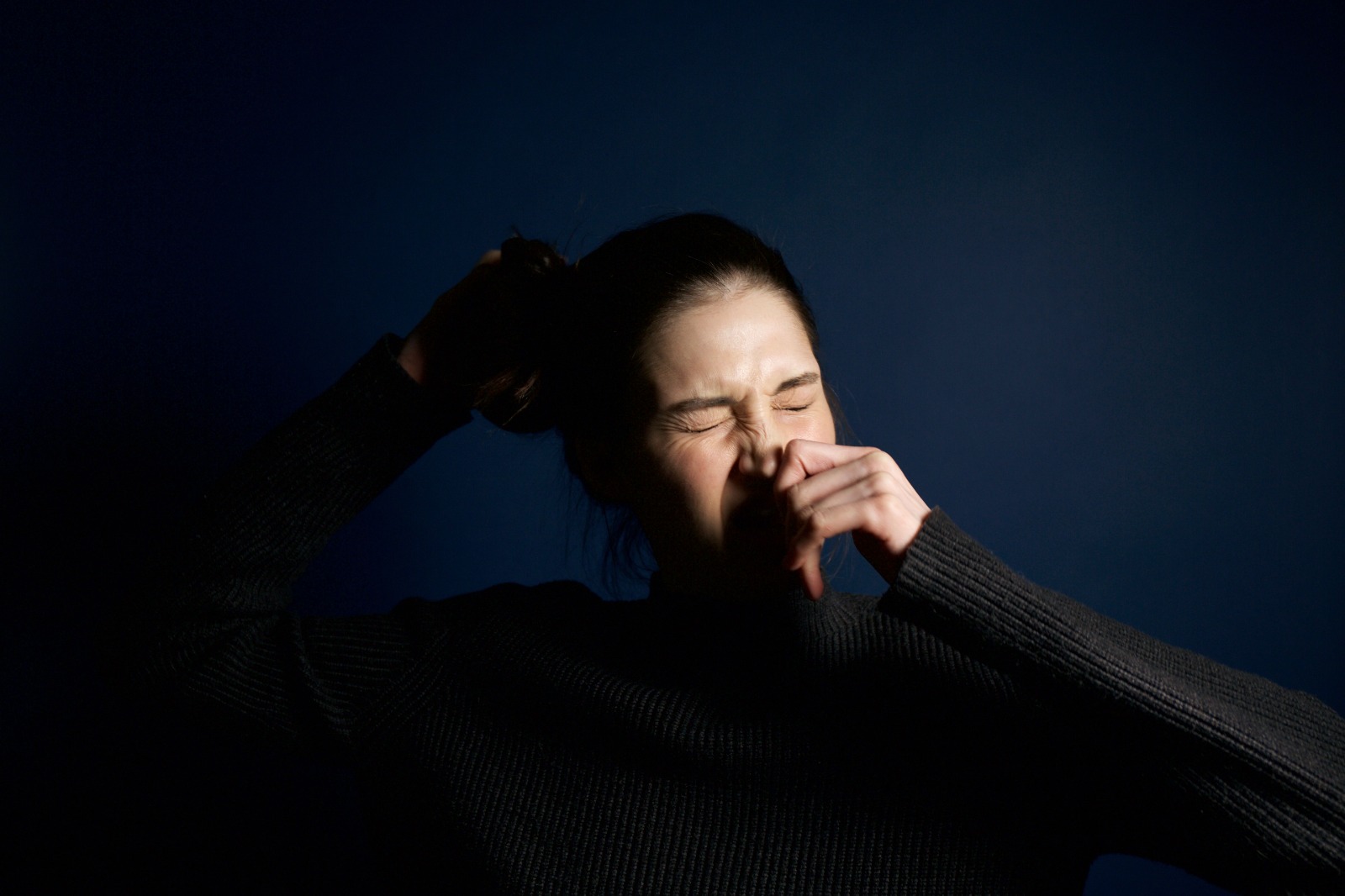
The specialist explained that during these episodes, nasal irritation, congestion, persistent cough, burning eyes, sore throat, and difficulty breathing may occur. She warned that in patients with asthma, allergies, Chronic Obstructive Pulmonary Disease (COPD), pulmonary fibrosis, and allergic rhinitis, the condition can worsen rapidly.
The recommendations from the Pulmonary Society are specific: reduce exposure to the outdoors on days with higher particle concentrations, keep doors and windows closed, avoid intense physical activity in open spaces, protect your eyes, stay well hydrated, and clean surfaces with damp cloths to prevent dust from being dispersed back into the environment.
For those with pre-existing respiratory conditions, Dr. Jorge emphasized the importance of not discontinuing regularly used medications and keeping prescribed inhalers readily available. In the event of shortness of breath, wheezing, fever, or chest pain, the recommendation is to seek immediate medical attention.
The message that summarizes the position of the pulmonology guild is offered by Dr. Jorge herself with a phrase that applies to both health and business: "Saharan dust should not generate panic, but rather awareness and prevention.".
A metaphor for what we cannot stop
There is a lesson that the Sahara brings with it every June, beyond nasal sprays and masks: life periodically presents us with conditions that we do not choose, that arrive without asking permission and that stay longer than we would like.
A family crisis that hits at the height of one's career. An illness that strikes when plans were already in place. A relationship that slowly deteriorates, like a fog obscuring the horizon. No one plans for these clouds. But our response when they loom over us defines who we are and where we're headed.
The temptation is to run away, open all the windows, force the situation, react out of panic. Pulmonologists do exactly the opposite: they recommend closing the windows, reducing unnecessary exposure, and acting according to protocol, not improvising. Awareness before fear. Prevention before cure.
In personal life, this translates to identifying which stressful situations are structural—that is, those that will recur each season—and building resilience before they arrive. Not because it's possible to eliminate them, but because the difference between someone who collapses and someone who simply gets through it almost always lies in the habits built in a calm environment.
The company is also breathing
The parallel applies equally well to the business world. Every organization faces its own Saharan dust clouds: adverse economic cycles, regulatory changes that arrive without warning, technological disruptions that cloud the horizon of established business models, and competition that emerges from unexpected locations. No one invites them. But they all arrive.
A company that doesn't have a contingency plan for the lean months—when liquidity dries up, key talent leaves, and the market contracts—is the company that has to improvise at the worst possible time. And improvisation under pressure rarely yields good results.
The concept of structural well-being stems from a simple premise: the health of an organization, like the health of a person, is not built in times of crisis. It is built during periods of relative calm, with clear protocols, adequate reserves, and teams trained to maintain essential functions even when external conditions impair visibility.
Just as an asthmatic patient doesn't stop taking their long-term medication because of the dust, a well-managed company doesn't abandon its control processes, its investments in human capital, or its financial discipline when the environment becomes challenging. That would be the exact opposite of what the situation requires.
Living with the phenomenon
Saharan dust is not an anomaly. It's part of the natural cycle, and this normalization, far from being resignation, is the first step toward an intelligent response. Knowing that it will arrive between May and September allows us to prepare our homes, adjust our exercise routines, check our medications in advance, and moisturize our skin before the first symptoms appear.
On a business level, it involves mapping out the "dust months" of the sector in which one operates, when cash flow is tight, when demand is scarce, when due dates are concentrated, and building protocols in advance, not during the crisis.
The Sahara Desert is more than 8,000 kilometers from Santo Domingo. And yet, every year it reminds us that we are part of a larger, interconnected system, in which the forces we do not control are also those that, if managed well, can become fertilizer.
The question, always, is what do we do with what comes our way?.
Recommended readings:







