



Grupo Piñero maintains that the new Biodigester is in addition to other solutions at the resort based on self-consumption renewable energy such as solar panels, and measures to reduce consumption in lighting and air conditioning.
Cayo Levantado Resort, located in Samaná, announced that it has incorporated an innovative microdigester to manage its organic waste and continue contributing to the sustainable development of tourism in the country.
Pablo del Toro, Head of Environmental Management, said that one of the most critical points for the environmental management of the project was that, being a small island, the organic waste produced by the hotel had to be taken to Santa Bárbara de Samaná for controlled disposal, with the consequent environmental and economic costs, and that with the project they respond to that great challenge while taking advantage of its energy potential for the hotel's own consumption.
A press release highlights that this challenge has been overcome with an innovative solution that sets the standard for sustainability in the tourism sector. "A small anaerobic digestion plant based on SmallBiogas technology, developed by the Spanish company Genia Bioenergy, which specializes in waste-to-energy circular economy processes, has been installed," explains the press release from the Piñero Group.
He adds that with this plant, all the organic waste produced on the island undergoes a natural anaerobic digestion process. In this process, bacteria in the absence of oxygen break down the organic matter, converting it into biogas (a sustainable gas with a high methane content), soil amendments, and organic fertilizers that nourish the resort's gardens, thus closing the loop for the management of a significant portion of the island's waste.
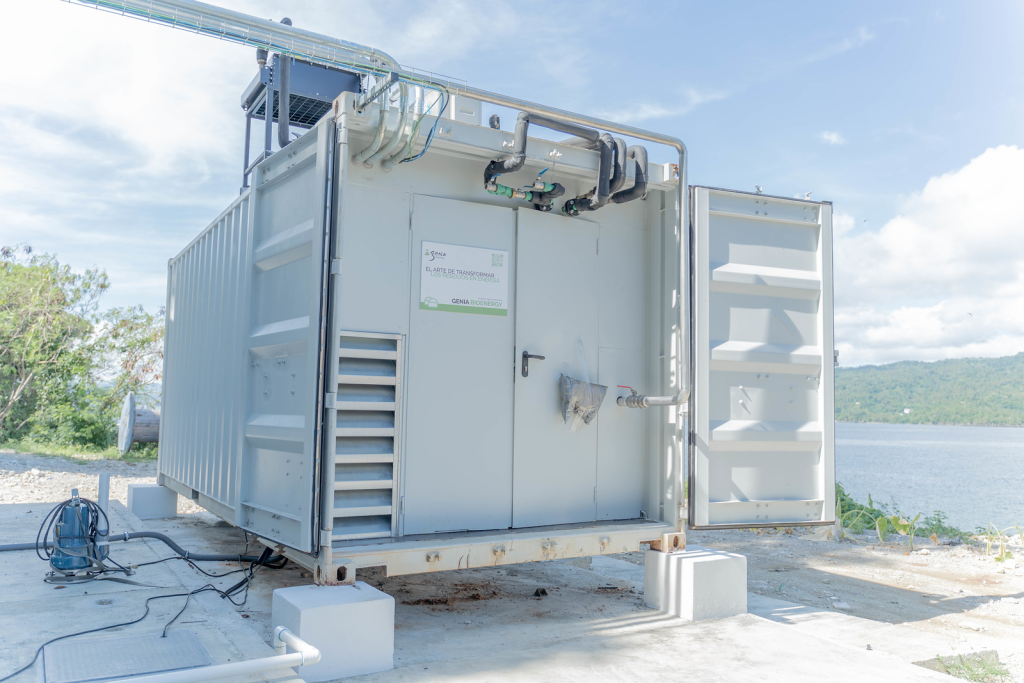
He adds that the gas obtained, approximately 42,000 Nm³/year, is used to power a microgenerator that produces thermal energy and electricity for the resort's own consumption. "With this microdigester, waste from kitchens and restaurants, along with pruning debris from gardens and green spaces, as well as sludge from wastewater treatment plants, are transformed from waste into byproducts that generate energy and fertilizers of renewable origin, reducing their carbon footprint and initiating a circular economy cycle," he explains.
According to Bernat Chulià, director of Genia Bionergy, “biogas plants have the advantage that they can be adapted to each scenario with the aim of adding value to organic waste and byproducts, so that they become a resource. In the HORECA sector, there is great potential, and particularly in complexes where, in addition to kitchen and restaurant waste, there is also waste from gardening and tourist activities, such as golf,” he explains.
Grupo Piñero maintains that the new Biodigester is in addition to other solutions at the resort based on self-consumption renewable energies such as solar panels, measures to reduce consumption in lighting and air conditioning, and the installation of a water production plant from the condensation of air humidity, which allows obtaining up to 6,000 liters per day for the needs of the complex.
Cayo Levantado Resort has also taken care of its integration into the environment since its creation, preserving the biodiversity of flora and fauna of the island and the sea: it has avoided invasive flora, regenerated its gardens with more than 700 plants of endemic or native species of the island, and promoted the conservation and restoration of coral reefs, the press document points out.







