Air conditioning has become one of the best ways to combat the ever-increasing summer temperatures. Faced with this scorching heat, many people turn to these devices to stay cool, finding options ranging from one that doesn't require an outdoor unit and saves five times less on electricity, to another from Lidl that doesn't need installation. Now, an ingenious 3D-printed invention has joined the lineup, cooling rooms without using electricity.
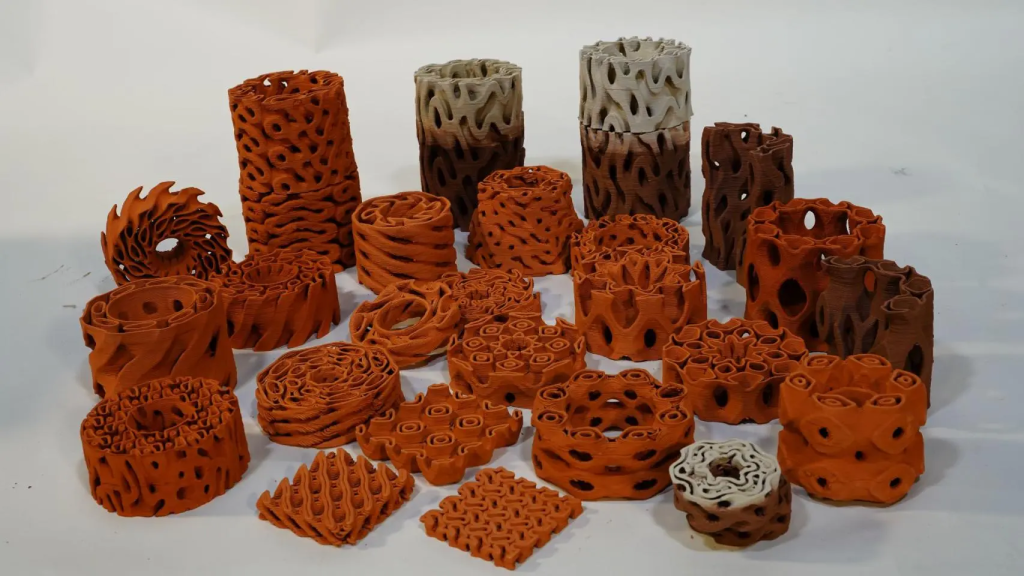
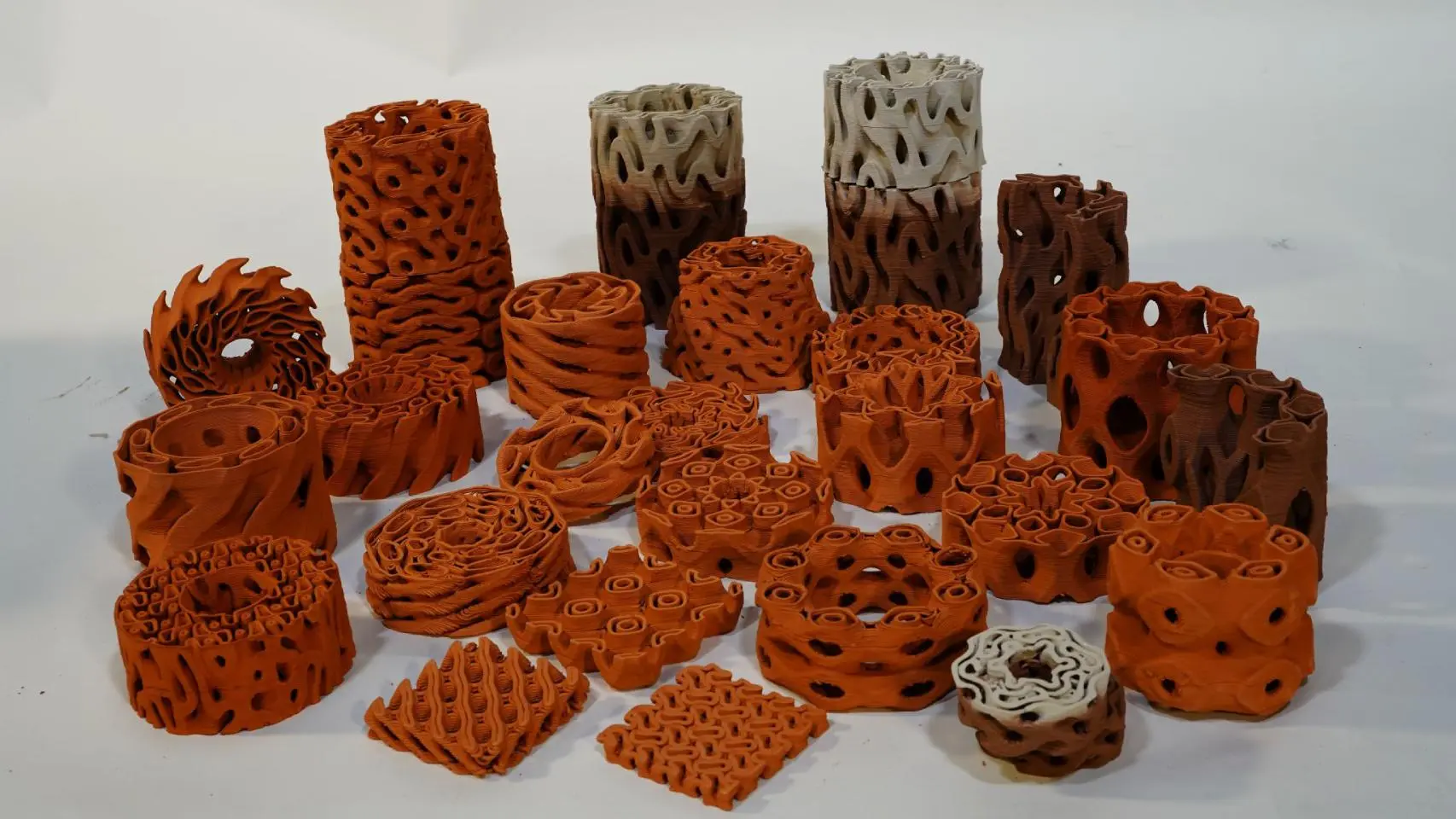
Rameshwari Jonnalagedda, a graduate in architecture from the Bartlett School of Architecture at University College London (UCL), has designed TerraMound. This innovative, eco-friendly air conditioner is based on the design of a termite mound, made entirely of clay, 3D printed, and operates without electricity. Its creator aimed to redefine the design of the appliances currently used to cool homes and offices.
TerraMound was developed by the student as part of a thesis project for her master's degree in design. "My main goal was to experiment with porous cells with minimal surface geometries and explore the potential of raised surface geometries. These minimal surfaces drive innovation in diverse fields, such as aerospace, medicine, and materials science," Jonnalagedda explained last March on her LinkedIn account.
It works without electricity
Air conditioners that work through the adiabatic or evaporative cooling process are not really new, as other models already exist, such as one that cools a house by 4 degrees with minimal electricity consumption, or another that is also 3D printed. In fact, this technique has a long history, as it is believed to have been inherited from ancient Egypt and Persia; and what it does is use the natural process of water evaporation to cool the air without the need for electricity.
In the case of TerraMound, to develop this ingenious eco-friendly air conditioner, its creator explored the natural cooling mechanisms found in termite mounds, which, thanks to their porous architecture, can effectively cool their internal compartments. This invention combines terracotta clay with triply periodic minimum surface geometries (TPMS), thus replicating "the intricate structures found in nature.".
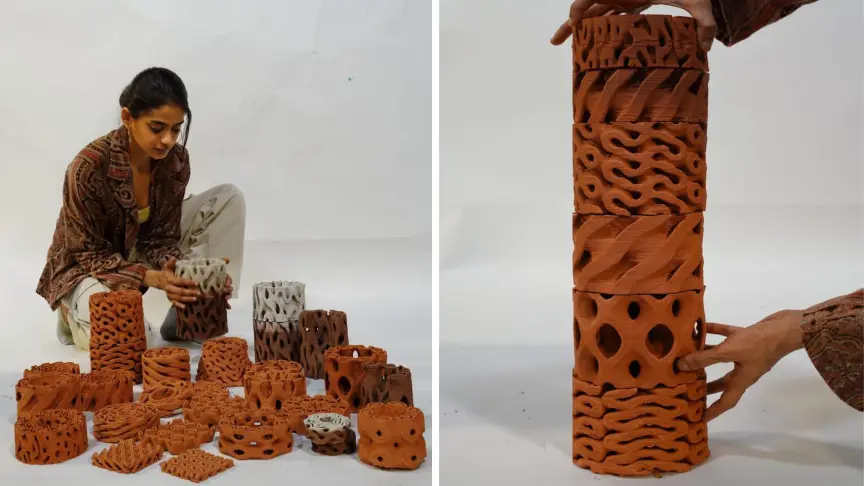
Rameshwari Jonnalagedda and the TerraMound adiabatic air conditioner. Rameshwari Jonnalagedda.
Jonnalagedda explains on the project website that his invention is like a desktop cooling fan and works very simply. A little water is poured from the top and filters through the large surface of the ceramic. Taking advantage of the hygroscopic nature of clay—the ability of some substances or materials to absorb moisture from the surrounding environment—cooling is facilitated through evaporation.