


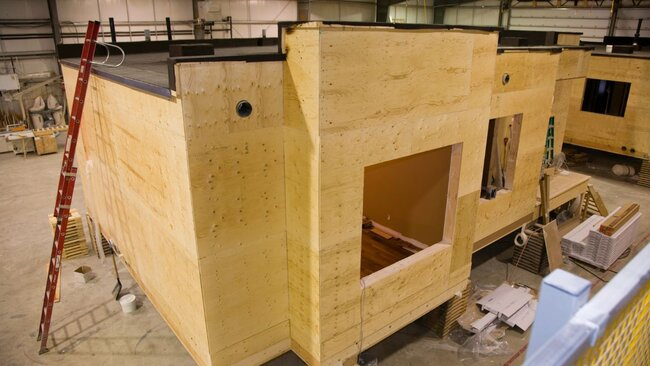
As 2024 progresses, the construction sector continues to evolve, driven by innovation and changing market demands. In this dynamic landscape, staying ahead of the curve is essential for your company's success.
From revolutionary technological advances to changes in project management strategies, the construction industry is currently facing significant changes that companies must take into account for their operations.
Sustainability and energy efficiency
Sustainability in construction is not just a buzzword. It is becoming a major shift in how construction projects are approached. With increased attention to environmental impact, this trend encompasses everything from the use of eco-friendly materials and the integration of renewable energy into architectural projects to the design of energy-efficient buildings.
The goal is to minimize the ecological footprint of construction activities, while taking into account long-term sustainability in the design and operation of buildings.
How to adapt:
Adopt eco-friendly materials: Start by incorporating sustainable building materials. This could mean using recycled or recyclable materials, sourcing locally to reduce transportation emissions, or choosing materials with a lower carbon footprint, thus reducing the environmental impact of your actions.
Energy efficiency is key: Look for designs that maximize natural light and ventilation to reduce the need for artificial lighting and air conditioning. Consider offering renewable energy sources, such as solar panels.
Water conservation: Look for ways to implement sustainable rainwater harvesting and wastewater recycling systems.
Sustainable building practices: Train your team in sustainable building techniques, such as effective waste management, reducing on-site pollution, and ways to ensure minimal disruption to the surrounding ecosystem.
Get certified: Obtaining sustainability certifications for your projects, such as LEED, increases your environmental credentials and attracts a growing demand from environmentally conscious customers.
AI and automation
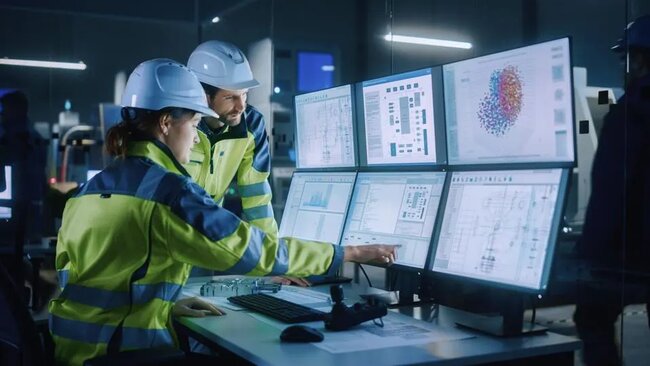
The integration of Artificial Intelligence (AI) and automation in construction are innovations that are contributing to a huge leap forward in efficiency, digitalization and precision in building projects.
The comprehensive data analysis offered by technologies like artificial intelligence helps to better plan projects, manage risks, and make decisions. Automation streamlines repetitive tasks, improves safety, and significantly reduces labor costs. From intelligent algorithms that predict project timelines to AI-aided design software, these technologies are reshaping the building construction industry.
Keys
Invest in AI-based software: Start by incorporating AI solutions for managing home construction and renovation projects, which help optimize deadlines and resource allocation.
Automate where possible: Identify tasks that can be automated, such as data entry or even certain aspects of construction. This can help save time and reduce errors during the process.
Continuous learning: Keep your team up-to-date with the latest in AI and automation through workshops and training programs.
Pilot projects: Experiment with AI and automation in smaller projects before moving on to larger ones.
Drones and UAVs
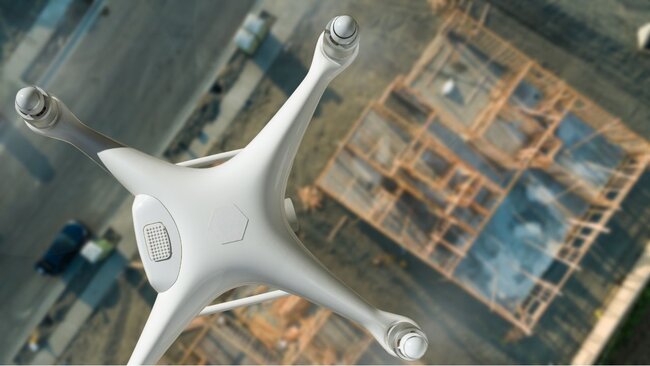
Drones and unmanned aerial vehicles (UAVs) are another innovation revolutionizing the construction industry by offering an aerial view of projects. They are perfect for inspecting construction sites, monitoring progress, and ensuring adherence to plans.
Drones provide real-time data, which is crucial for making decisions and adjustments in a timely manner. Their ability to access hard-to-reach areas and provide detailed aerial images makes them a popular tool in modern construction practices.
Recommendation
Use drones to inspect the construction site: Use them for initial site surveys and to quickly gather comprehensive data.
Monitor progress: Capture aerial images of the project. This helps you track project milestones and manage resources more effectively.
Improve safety inspections: Use drones for safety inspections in potentially dangerous or inaccessible spaces.
Training: Make sure you have a trained workforce to handle and interpret the data.
Compliance and regulations: Don't forget to check the regulations on the use of drones in your area to ensure compliance.
Offsite Construction
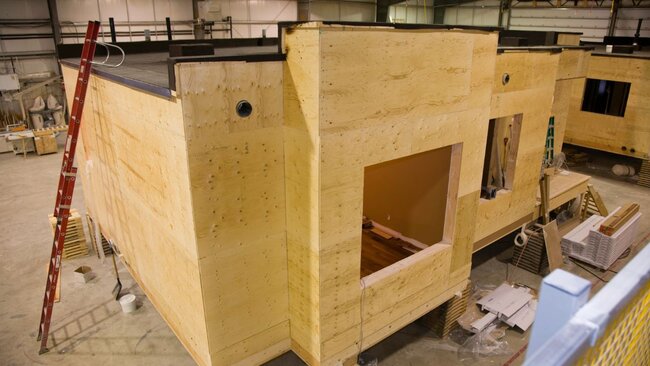
Off-site construction, also known as modular or prefabricated construction, is rapidly gaining ground in the sector. It involves assembling the parts of a building in a factory before transporting them to the construction site for final assembly.
This trend can help reduce construction time, costs, waste, and improve quality control. Offsite construction is especially useful in areas with labor shortages or for projects with tight deadlines.
How to adapt:
Adopt modular design: Start by designing buildings with modular construction in mind. This can often mean simpler, standardized designs that are easier to reproduce off-site.
Choose the right projects: Not all projects are suitable for off-site construction. Identify projects where this method can maximize efficiency and profitability.
Partner with manufacturers: Establish partnerships with trusted manufacturers specializing in modular construction.
Logistics planning: Focus on the logistics of transporting and assembling the modules on site. This requires careful planning to ensure efficiency.
Educate your team: Make sure your team understands the nuances of external construction, from design to assembly.
Workplace safety
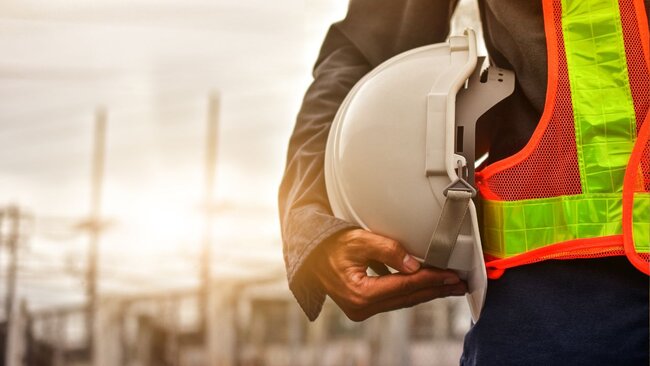
Worker safety has always been important and constantly evolving, but recent advancements are taking it to new levels. The current trend is proactive risk management through the use of modern technologies by companies. From technology to monitor vital signs and environmental conditions to AI-based surveillance that can predict and prevent accidents, the goal is to create a safer work environment.
How to do it
Invest in wearable technology: Consider equipping your workers with smart devices, such as watches, glasses, or bracelets, that can alert them to potential hazards or health problems.
Implement AI surveillance: AI-powered cameras can help monitor workplaces and identify unsafe behaviors or potential hazards.
Regular training: Keep your workers trained in the latest safety protocols and the use of new safety equipment.
Create a safety-first culture: Foster a culture that prioritizes safety. Encourage workers to talk about potential hazards and give them a clear channel to report them.
Continuous improvement: Review and update your security practices regularly based on the latest industry standards and technological advancements.
With information from https://cedreo.com/es/.







