



A new type of solar glass has emerged as an innovative and promising solution in the field of architecture and construction. This technology offers a unique combination of functionality and aesthetics by generating free electricity while maintaining its translucency and high insulation coefficient.
This technology represents a major advance in the energy balance of cities and an attractive option for commercial buildings and homes, as it is characterized by its high transparency and absorption of harmful UV-ABC radiation (close to 100%), simultaneously converting it into electricity.
This means that photovoltaic glass is able to offer higher performance, less sensitivity to heating, and reduces heat transmission to the interior of the building or house where it is installed; which also implies less use of air conditioning in summer and lower energy consumption.
These panels have become an alternative for saving on energy bills in Spain. Photovoltaic glass isn't exactly new, but its development and application have advanced significantly in recent years.
With quantum dots
Scientists at the Polish technology company ML System—which also offers other photovoltaic energy solutions—have developed a new glass coated with quantum dots that generates electricity from any light, whether solar or artificial, while maintaining translucency and a high insulation coefficient. This significant technological advancement recently received the prestigious Innovation Award in Architecture and Construction at the BAU Munich trade fair held earlier this year.
This technology is designed to integrate solar cells directly onto the surface of a building, converting sunlight into electricity while maintaining its translucency. This makes it ideal for architectural and sustainable building applications, such as transforming a window into a solar panel. A version has even been developed in Spain for installation on facades and roofs.
The key to this new technology is its coating composed of quantum dots, which are tiny semiconductors ranging in size from a few to several nanometers. These particles, invisible to the human eye, possess enormous power, as they are capable of converting ultraviolet and infrared radiation into electricity.
Thanks to this feature, ML System's new photovoltaic glass achieves excellent light transmission parameters and reduces room overheating, even generating electricity from artificial light. The efficiency of quantum dot coatings is also unaffected by the angle of light incidence.
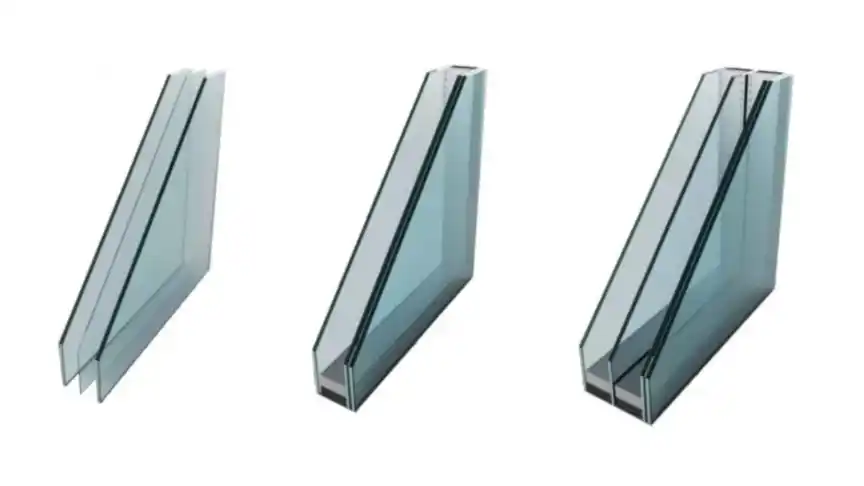
This ensures that the Polish company's photovoltaic glass delivers consistent performance under various lighting conditions. It is also strong and durable, exhibiting greater mechanical resistance and superior resistance to weather conditions, including hail and fogging.
Despite its strength, ML System's solar glass is characterized by its low weight, which is approximately 70% lighter than other solutions currently available. This feature also facilitates and simplifies installation and reduces associated costs
The new glass with quantum dot coating also allows its transparency to be adjusted according to each customer's needs and exhibits low sensitivity to urban pollution - a serious problem in many large cities around the world - thus guaranteeing its effectiveness and functionality in any type of environment.
Source: https://www.elespanol.com/omicrono/







