


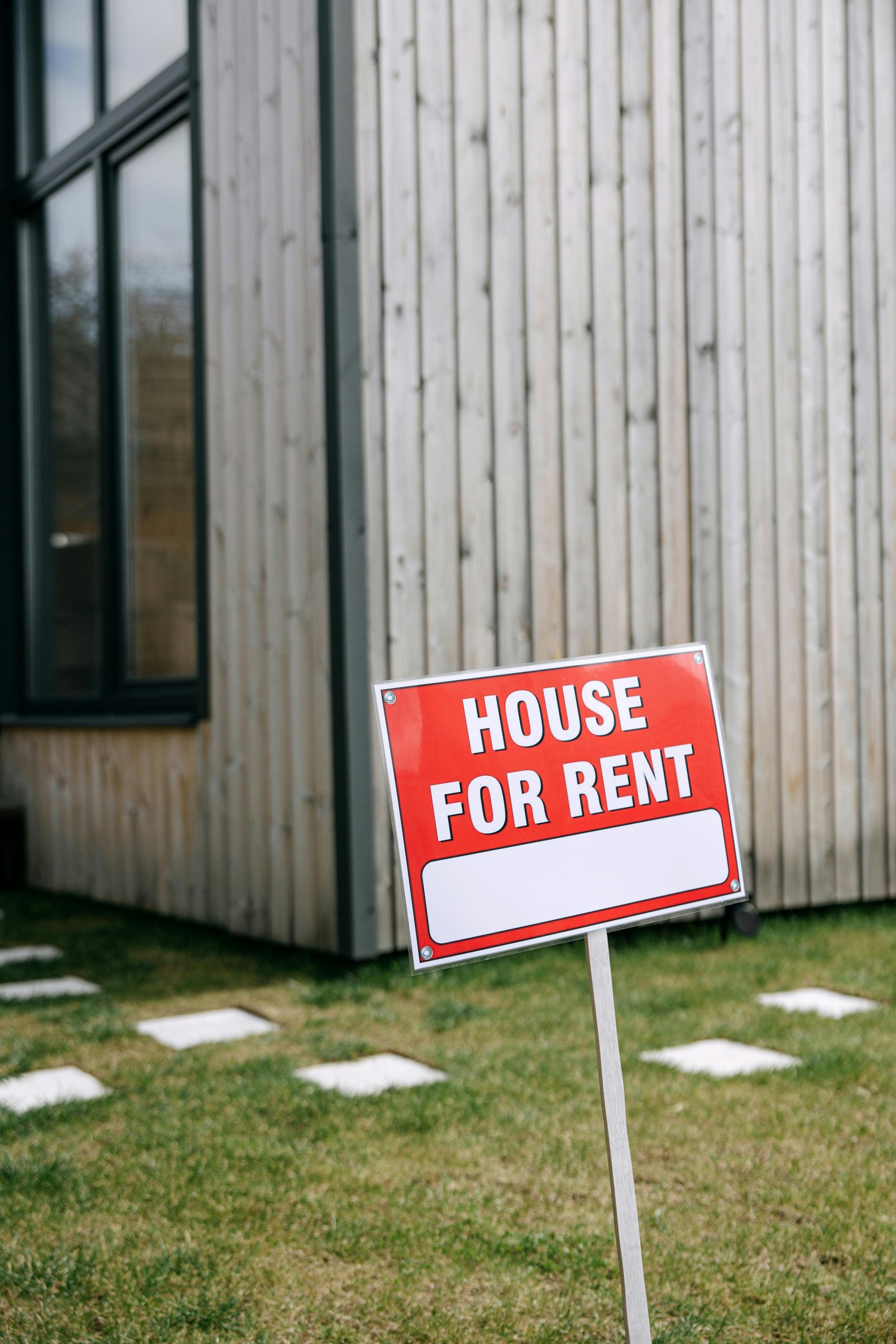
Although construction is growing in the metropolitan area, most buildings are not intended for sale. The market is shifting towards owner-occupancy and rentals, putting the promise of access to formal housing on hold, according to the ROE 2025 report.
SANTO DOMINGO. – When 81.1% of buildings in the Metropolitan Region are designated for owner-occupancy or rental, and this proportion remains a sustained trend, alarm bells are ringing: the real estate market is in a process of shrinking.
This contraction is confirmed by the ROE 2025-1, prepared by the National Statistics Office (ONE), which reveals that currently 8 out of 10 works are intended for own use or rental, or in other words: 81.1% of the buildings in the Metropolitan Region are not oriented towards sale, but towards heritage use.
In the absence of a public strategy that links private supply with social needs, construction growth can deepen territorial inequality and limit access to decent housing.
The document cites that this trend has been ongoing since 2022, reflecting a market that, cautious in the face of low demand and financial pressure, has shifted away from the commercial model. Only 12.7% of construction projects are exclusively for sale, which poses significant challenges for housing policy and urban planning.
The proportion of projects for owner-occupancy remains stable compared to previous semesters, as evidenced by the 2024-2 ROE report, which indicated that owner-occupancy represented 80.3% of all projects. This suggests a continued preference for building for personal use or rental, rather than for commercial purposes. Structural factors, the usual suspects in the real estate market, include a lack of liquidity, the increased cost of credit , and uncertainty regarding the market's capacity to absorb new units.
Pressure on the business model
The Central Bank reported a -2.3% drop in the value added of construction during the first four months of 2025, affected by the increase in interest rates and the reduction in demand for formal housing, and this contraction hits hardest the developments oriented towards sale, which depend on the rapid turnover of units and the financial stability of buyers.
According to the 2022 National Population and Housing Census, 61% of households in Greater Santo Domingo live in their own homes, but only 18% acquired their homes through the formal market, a gap between ownership and commercial access that could partly explain the low proportion of works intended exclusively for sale.
Market stagnation
Architect Maribel Villanueva, an urban planning specialist, points out that “building for personal use reflects a defensive strategy in the face of a lack of incentives for commercial development. Without a clear affordable housing policy, the market will remain fragmented and with low absorption capacity” (inmobiliario.do, 04/10/2025).
For his part, economist Rafael Santana warns that “the high proportion of works for rent can generate an oversupply in middle segments, without solving the housing deficit in vulnerable sectors” (inmobiliario.do, 12/09/2025).
Urban and social implications
The concentration of construction projects for personal use or rental poses challenges for urban planning, because in the absence of a public strategy that links private supply with social needs, construction growth can deepen territorial inequality and limit access to decent housing.
Furthermore, the low percentage of works intended exclusively for sale, 12.7% according to the ROE 2025-1, suggests that the formal market remains inaccessible to large sectors of the population, reinforcing informality and self-construction as predominant mechanisms.
Construction in the Metropolitan Region is growing in number, but the model that drives the market is shrinking. The predominance of owner-occupied housing and rentals over sales reveals a strategy of containment in the face of volatility, and while the sector adapts, housing as a right and as a commercial asset continues to face structural barriers that limit its expansion.






