SANTO DOMINGO.– In the Dominican Republic's main tourist destination, Punta Cana and Bávaro, real estate developments worth around US$6 billiondue to the slow issuance of construction permits by the Ministries of Tourism and Environment.
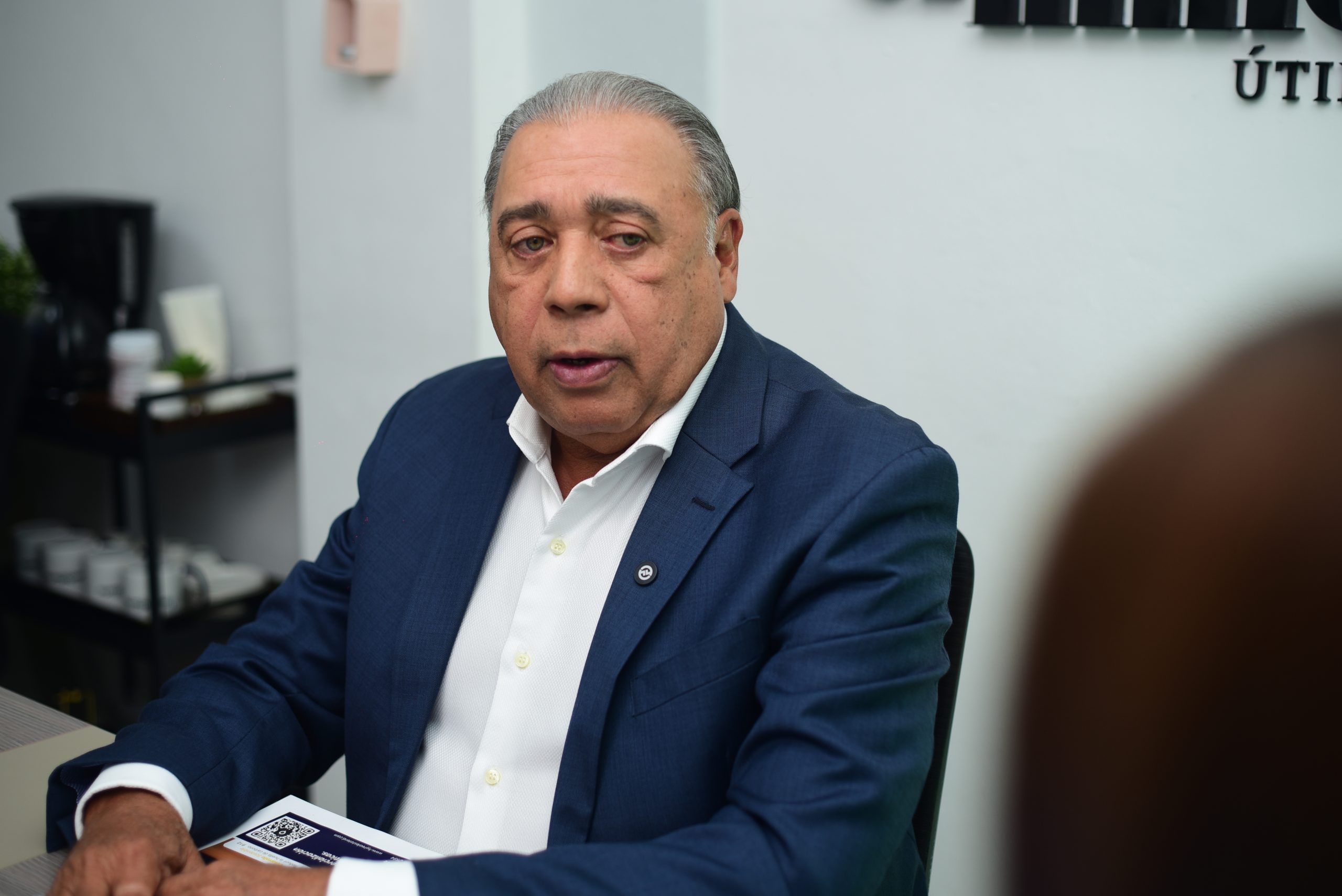
This was the warning issued by businessman Fermín Acosta, former president of the Dominican Association of Housing Builders and Promoters (Acoprovi), who stated that “between 75 and 80% of the permits are held up, especially in the Ministry of Tourism and Environment.”
In an interview on the program La Ventana Media Group El Inmobiliario, the union leader stated that "this is repeated in developments that have not been able to move forward due to prolonged institutional delays."
Acosta indicated that this problem has forced the unions to raise their demands directly to the President of the Republic, who this week asked to identify where the files are being held up in order to expedite their processing.
He said that although the Ministry of Housing shows greater efficiency in its processes, its management is limited because developments require mandatory authorizations from other entities, with Tourism and Environment being the ones that accumulate the most delays.
Environmental projects affected
Acosta commented that even high ecological, such as those aimed at recycling, "have experienced long delays in the Environment Ministry, despite being projects that respond to obvious environmental needs."
Furthermore, he pointed out that other developments have been awaiting authorization from the Tourism Ministry, which he considers especially worrying given the fundamental role the tourism sector plays in the national economy.
Economic drag
The businessman pointed out that construction is one of the sectors with the greatest impact on the economy, since its paralysis affects banks, suppliers, vendors, businesses and services linked to the activity.
He said that when construction activity slows down, "it is felt in all sectors, from the cement industry to the woman who cooks for the workers," due to the breadth of the production chain that depends on the sector.
Impact on interest rates
Fermín Acosta explained that high interest rates have been another determining factor in the sector's decline. "They reached 16% and 17%, figures impossible for a builder and also for homebuyers to bear," he noted.
He indicated that these increases not only affect direct construction costs, but also administrative and operational expenses, which are not included in the official indices, but which significantly impact the final price of homes.
Acosta explained that many builders have had to include rate variation clauses in contracts, although it remains a major challenge because developers have no control over when rates increase or for how long they will affect a project.
“Because the projects are medium and long term, any variation in the rate can impact costs throughout the execution, generating uncertainty for both builders and purchasers,” he stated.
A growing housing shortage
The former president of Acoprovi highlighted that the country maintains a housing deficit of more than one and a half million homes, which represents an urgent need, especially for the most vulnerable population.
“This demand cannot be adequately met if private projects remain stalled and if builders face prolonged delays in obtaining essential permits from institutions such as Tourism and Environment,” he stated.
Acosta considered it positive that President Luis Abinader had become directly involved in the review of the detained permits, as this could help identify where the bottlenecks occur and which officials are responsible for the delays.
He said that interest rates have recently decreased and this could have a favorable on the sector, although he said there is still uncertainty about how long that relief will last.
Finally, Acosta expressed his hope that the measures promoted by the Government will help to unblock the processes and allow construction to regain its pace, especially in the areas most affected by the permit freeze.