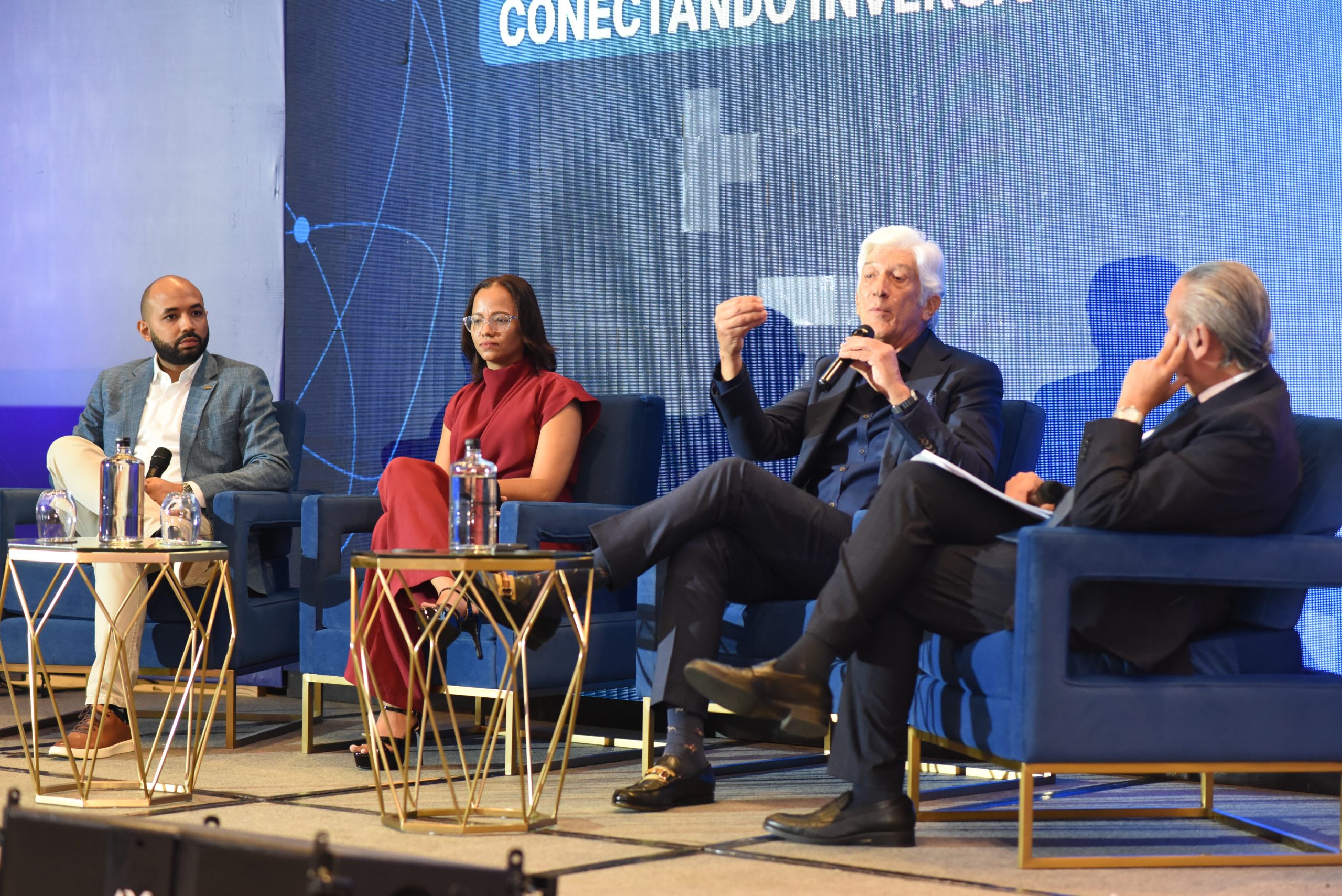
They discussed the role of developers, lawyers, and brokers in building trust
SANTO DOMINGO.- Credibility has become a fundamental asset for the development of the real estate market, due to its impact on the confidence of buyers and investors and on the reduction of risks during the property acquisition process.
The topic was presented by representatives from the development, real estate law and marketing sectors during the Safe Metro Forum: Connecting Investments, organized by El Inmobiliario, where professionals agreed that transparency, fulfillment of promises and legal security are key elements to strengthen confidence in the sector.
The panel analyzed how the reputation of a real estate project is built and protected, what checks a buyer should make before committing resources, and what aspects agents and brokers should consider before representing a particular proposal.
Credibility is built through compliance
Mariano Briceño, representative of Grupo Bricket, explained that confidence in the real estate sector is directly related to the ability of developers to turn the promises made during marketing into reality.
He pointed out that buyers are not just acquiring blueprints, concrete, or walls, but an expectation of satisfaction that can only be validated over time.
Unlike other goods whose use allows one to quickly verify their quality, he argued that a property has a prolonged consumption process, in which economic, emotional and quality of life factors intervene.
“People buy into a promise of future satisfaction,” he said, emphasizing that a company’s true reputation is built when there is a match between what it offers and what it ultimately delivers.
The developer indicated that trust is not obtained immediately, but is developed over the years by meeting deadlines, costs, quality standards and commitments made to clients.
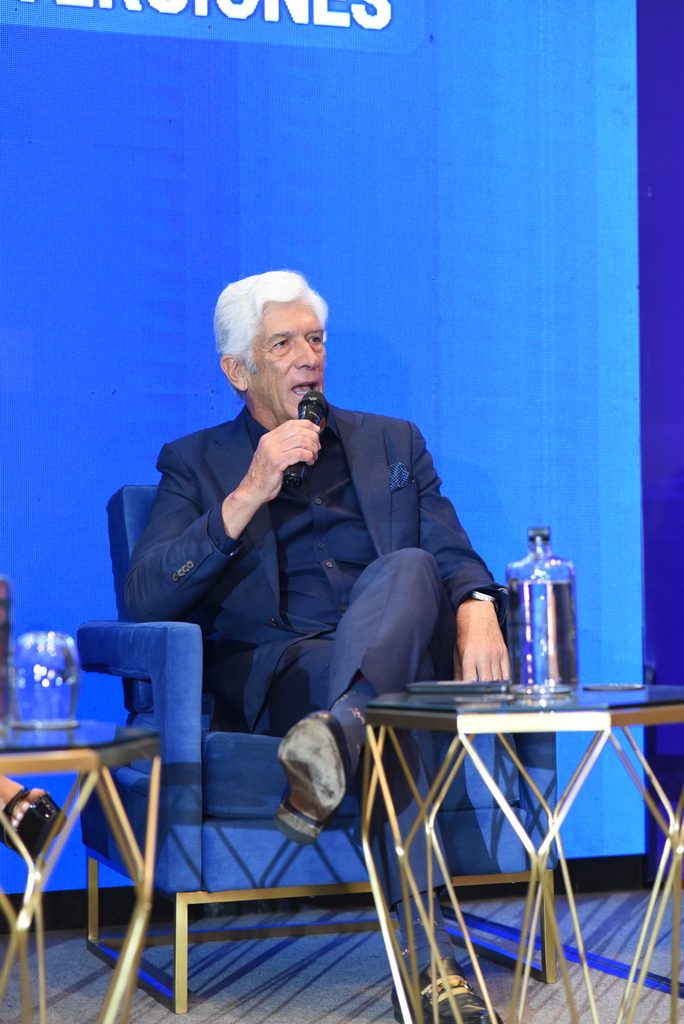
Highlights experience and EDGE certification
Mariano explained that Grupo Bricket has accumulated 50 years of operations, with a presence in different cities in Latin America, more than 20,000 families served and more than 60 projects developed.
As part of its operations in the Dominican Republic, it highlighted the Araya project in Punta Cana, which obtained EDGE certification , a certification system for sustainable buildings developed by the International Finance Corporation (IFC), part of the World Bank Group.
As he explained, the certification evaluates aspects related to energy consumption, water use, materials, and reduction of the carbon footprint.
According to the representative of Grupo Brique, this type of process also contributes to strengthening trust, because it forces companies to submit their operations to evaluations and audits.
“Because it’s not about saying it, it’s about fulfilling what you’re saying,” he argued, considering that the implementation of verifiable processes allows for an improvement in the way projects are executed.
He also highlighted the importance of integrating the different areas of a company into decision-making, from technical and financial teams to those who manage customer relationships.
Legal certainty as a starting point
From a legal perspective, Ana Elizabeth Bello Martínez, a lawyer specializing in real estate and registry law, stated that credibility should be understood as an economic asset, due to its direct impact on the relationship between companies and their clients.
He explained that trust is generated when there is consistency between what is promoted, what can be documented, and the result that the buyer ultimately receives.
Bello Martínez warned that the loss of trust can have economic consequences for a company, from the termination of contracts to damage to its reputation.
The specialist recommended that, before handing over money or signing a purchase agreement, the buyer should verify three fundamental aspects: the ownership of the property, the existence of liens or encumbrances, and the legal and contractual conditions of the transaction.
He also considered it necessary to review the tax situation of both the property and the company linked to the project.
Regarding the contract, he pointed out that the buyer must clearly understand their obligations, the payment terms, the applicable clauses in case of termination, and the consequences of any potential breach.
“When he makes an informed decision, it is more difficult for him to initiate a lawsuit, because he already knows the consequences of unilaterally terminating a contract,” he explained.
The lawyer also recommended that buyers be accompanied by specialized professionals during the process, especially when it comes to transactions that involve a significant portion of their assets.
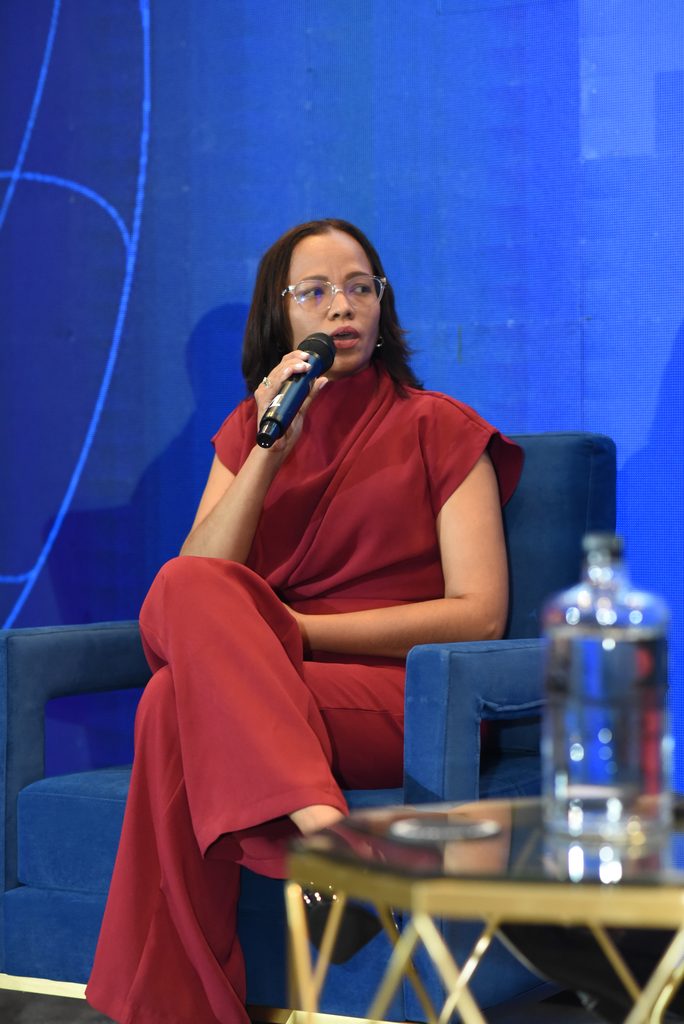
Silence also generates uncertainty
Bello Martínez argued that a lack of information from developers or real estate agents can hinder the marketing process and increase buyer doubts.
In contrast, when a company provides information about the ownership of the property, its corporate structure, and the financial mechanisms used to develop the project, the client can approach the process with greater clarity.
In that regard, he highlighted the usefulness of mechanisms such as trusts and the proper disclosure of documentation related to projects.
The specialist considered that a dynamic commercial strategy can coexist with legal compliance, provided that the project planning considers from the beginning the necessary requirements to ensure that there is a correspondence between what is built and what is finally delivered.
The broker also compromises his reputation
From the marketing perspective, Erick Núñez, a real estate agent and broker, pointed out that credibility begins from the moment a professional decides which project to present to their clients.
He explained that brokers not only market properties, but also put their professional reputation on the line when recommending a particular development.
In his opinion, the selection of a project should be based on references, track record, responsiveness, legal structure, and the developer's willingness to provide information, even when it comes to uncomfortable questions.
Núñez identified the lack of accessibility of some developers to answer relevant questions from potential buyers as a warning sign.
He also highlighted that technological evolution has allowed consumers to access more information and use tools to analyze documents and contracts, so real estate professionals must raise their own verification levels.
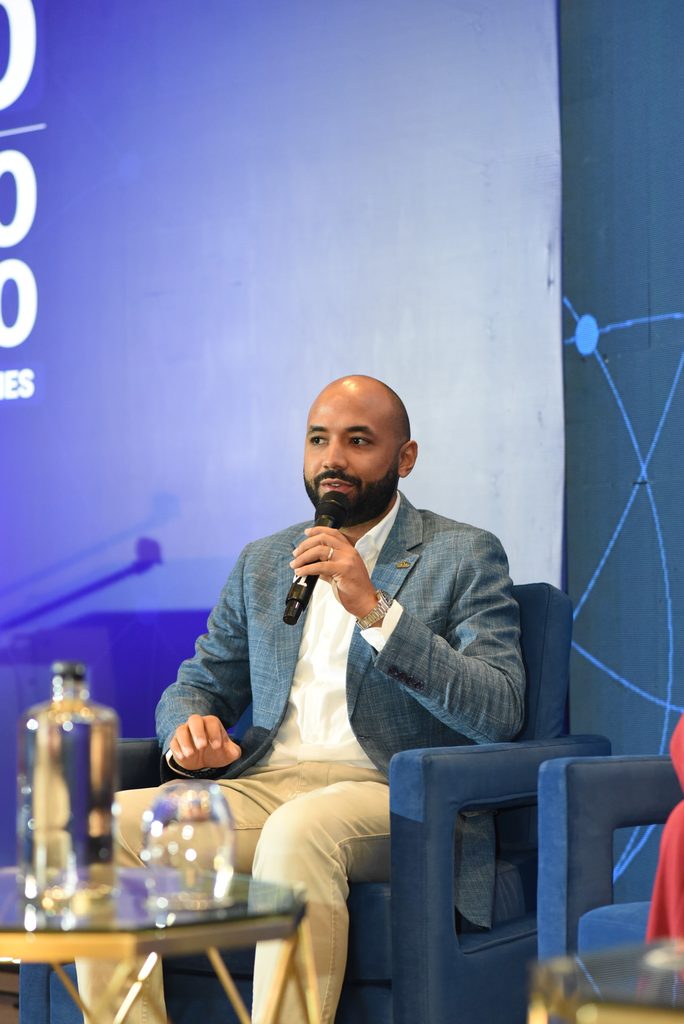
Erick Núñez during his participation. (Photo/Fidel Pérez).
Experience does not eliminate the need to verify
Tavárez argued that a developer's track record is a relevant factor, but it should not lead the agent to assume that all information is automatically validated.
He explained that regulatory changes and new legal provisions require brokers to maintain a proactive approach to the documentation and conditions of each transaction.
“We cannot take for granted the information that the developers give us,” he stated.
In that context, he considered that commercial speed should not translate into the omission of data important to the buyer.
He stated that, in certain cases, it is preferable not to finalize a sale rather than start a business relationship based on incomplete information that could later generate conflicts.
Transparency in the face of a more informed market
The panelists agreed that competition in the real estate market requires finding a balance between business strategies and the buyer's right to receive sufficient information to make a decision.
The representative from Grupo Bricket stated that the relationship with the client does not end with the sale, but should become a source of feedback to improve subsequent projects.
Meanwhile, from the legal field, the need to reduce uncertainty through clear documentation, property reviews, and understandable contracts was emphasized.
Tavárez, for his part, called on marketing professionals to assume information as an essential part of their responsibility, avoiding hiding relevant elements for the purpose of closing a deal.
Participants also highlighted that behind each transaction there is a person who, in many cases, is committing a significant part of their family assets.
Therefore, they pointed out that trust in the sector does not depend solely on the physical quality of a construction, but on the ability of developers, lawyers and agents to act in a consistent, transparent and verifiable manner throughout the entire process.
Recommended readings: