Since time immemorial, humankind has used a variety of materials to build homes and structures. From stone and wood to steel and concrete, their evolution has been a constant process of improvement and adaptation to human needs.
Building materials have evolved throughout history to become more durable and resistant to environmental and climatic factors. For example, stone has been used for centuries as a building material due to its durability and ability to withstand weather variations.
With the advancement of technology, new building materials have been developed, offering builders a wider range of options. For example, Portland cement was invented in 1824 and has been used in modern construction for buildings and bridges.
Modern building materials are designed to improve the energy efficiency of buildings. For example, double-glazed windows and thermal insulation provide greater energy savings for heating and air conditioning
Modern materials have become more sustainable, meaning they are produced more responsibly and can be recycled or reused at the end of their lifespan. Examples of sustainable materials include certified wood, reclaimed bricks, and solar panels.
However, disadvantages include the high cost, since in the past the use of construction materials such as wood or stone required a large investment in terms of time and resources, which meant a very high cost for the construction of buildings and structures.
Likewise, the availability of building materials was limited in ancient times, which meant that only those available in the area had to be used.
Strength and durability were limited in the past, resulting in a constant need for repairs and renovations. Most materials, such as wood and stone, required deforestation and the extraction of large quantities of rock, making construction have a negative impact on the environment.
Changes
Throughout history, building materials have constantly evolved. Initially, stone and fired clay bricks were used, but with the advent of brick, the first cities were built. Later, powder mixed with water and other additives began to be used, leading to cement, which became the most widely used material in modern construction. Furthermore, new materials with greater strength and improved insulating properties have been developed, such as laminated wood, steel, glass, and composite materials.
Origin
By 3000 BC, essential building materials such as wood and stone had been developed for structures and enclosures. In rainy areas, animal hides were common for waterproofing, while in desert regions, textiles and absorbent earth were used. Brick had also become a popular material for enclosures. With the introduction of these materials, the construction of larger and more durable structures became possible.
In ancient times, the construction of large structures was limited by a lack of durable materials. The choice of materials depended on the climate and local availability. In rainy areas, animal hides were used for waterproofing, while in desert regions, textiles and absorbent earth were preferred.
Throughout human history, a variety of materials have been used to construct structures of all kinds. Since ancient times, materials such as wood, stone, and brick have been used to build houses, monuments, and fortresses. Over time, other materials such as iron, concrete, and aluminum were incorporated, allowing for the construction of stronger and more durable structures. Today, all these materials continue to be used in building construction, and research continues in the search for new materials and technologies that improve the quality of construction.
Evolution
Since the earliest human settlements, humans have used natural materials such as wood, stone, and clay to build homes and shelter from the elements. With technological and scientific advancements, new materials have been discovered, and techniques for their production and optimization have been developed. Today, we have a wide variety of materials, from metals and glass to synthetic compounds, that allow us to build stronger, more efficient, and more sustainable structures than ever before.
Innovations in building materials have provided solutions for the evolving needs of construction, including improvements in durability, strength, and energy efficiency. As technology advances, building materials continue to evolve and improve, enabling the creation of stronger and safer structures than ever before.
Throughout history, the evolution of building materials has been significant, from primitive Stone Age materials like wood and stone to modern materials such as concrete and steel. Technological advancements and innovation have led to the creation of stronger, more durable, and more economical materials, transforming the world of construction. The use of new materials, such as eco-friendly and recycled ones, also plays a crucial role in sustainable construction. In short, the history of building materials demonstrates how humanity has had to adapt and improve to construct increasingly advanced and durable structures.
According to climate and geography
Not all materials are suitable for all climatic and geographical conditions.
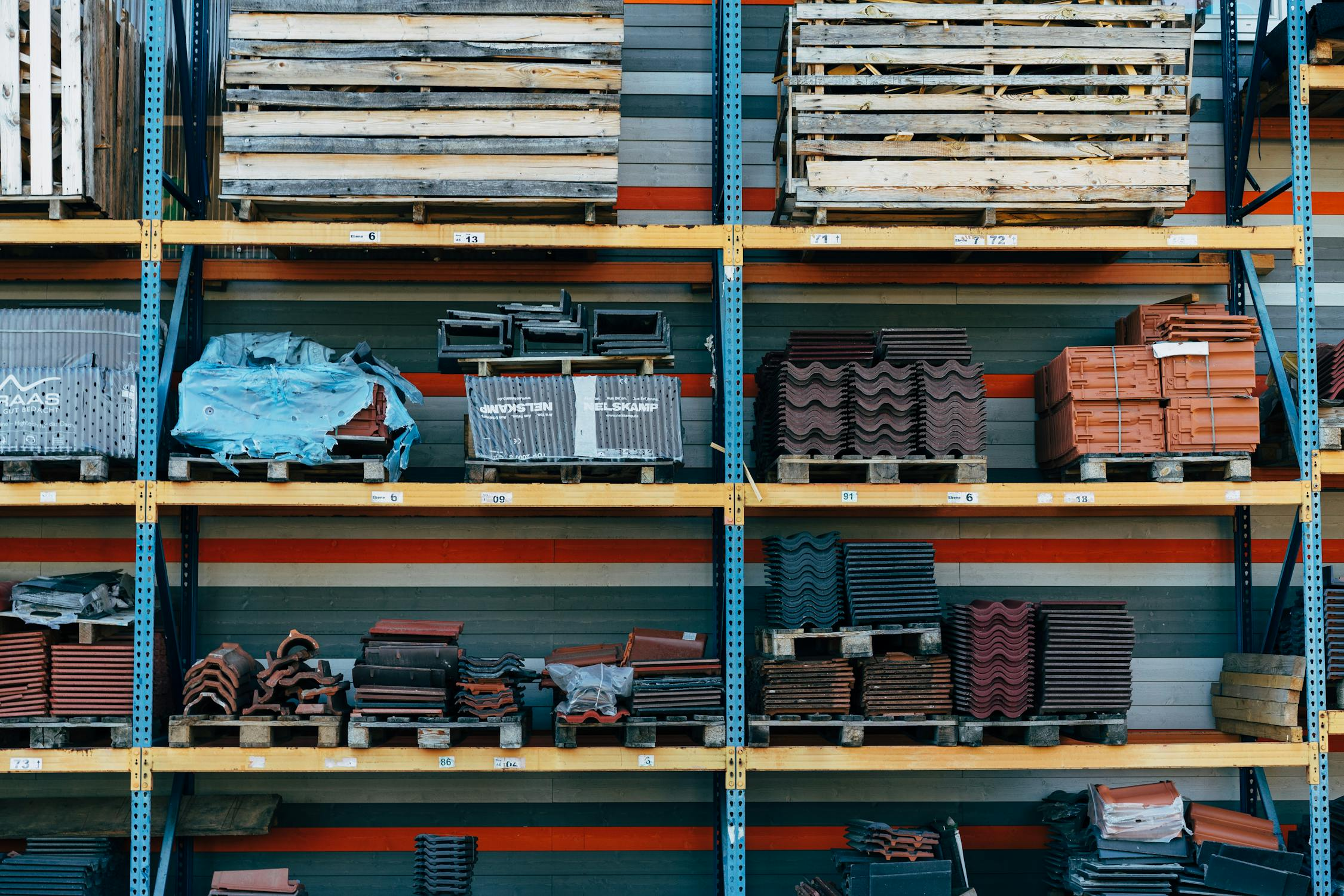
The most suitable materials for cold climates are usually those with high thermal insulation capacity, such as wood and insulating materials. On the other hand, in warm climates, the use of materials that help maintain a cool interior is recommended, such as concrete and clay tiles.
When choosing building materials, it's important to consider factors such as resistance to moisture and wind, durability, and availability. For example, in coastal areas, it's essential to use materials resistant to corrosion caused by the salinity of the environment. Furthermore, the availability of materials in the region can influence your choice.
Geography also plays a significant role in the choice of building materials. In mountainous or high-altitude areas, materials capable of withstanding extreme temperature changes and adverse weather conditions, such as steel and reinforced concrete, are recommended. Conversely, in coastal areas, corrosion-resistant materials like stainless steel and aluminum are used.
Tips for maintaining materials according to the climate
Proper maintenance of building materials is essential to ensure their durability and strength over time. For materials exposed to cold climates, it is important to prevent the accumulation of ice and snow, while in warm climates, degradation caused by solar radiation must be avoided. Likewise, in humid areas, controlling humidity is crucial to prevent mold and corrosion problems.
Choosing the right building materials for your climate and geography is crucial for ensuring the durability and strength of your buildings. Each climate and geographical area presents unique challenges that must be considered when selecting materials. By following the recommendations and tips provided in this article, you can achieve a solid and long-lasting construction.