


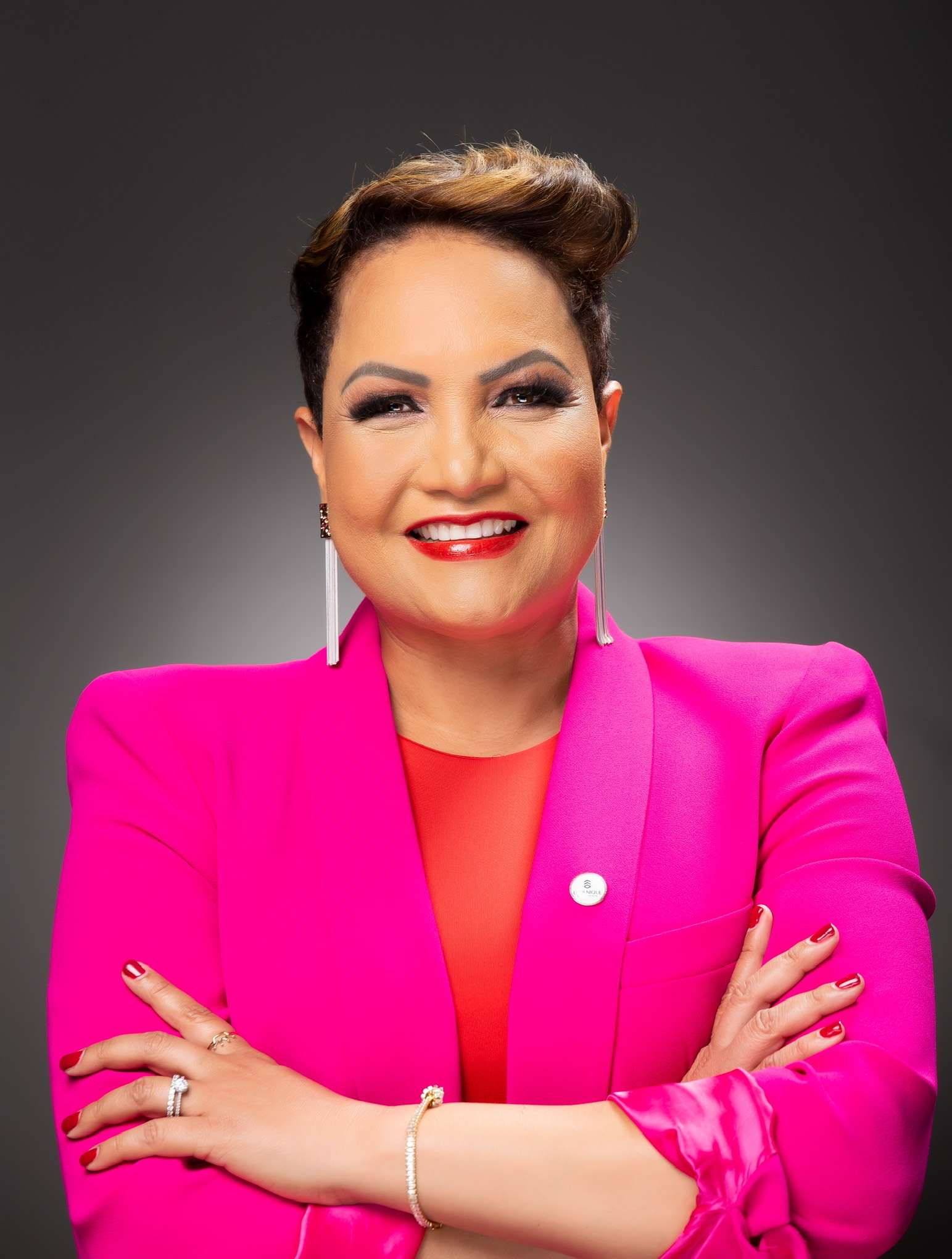
By Reyna Echenique,
Special to El Inmobiliario
The Dominican real estate sector is at a critical juncture where the need for comprehensive regulation is becoming increasingly evident. While the market is experiencing remarkable growth, particularly in off-plan sales and projects under construction, the lack of an adequate regulatory framework for these types of property sales creates vulnerabilities that could threaten its stability and credibility.
The current reality
of the Dominican real estate market reveals worrying regulatory gaps. Off-plan sales are frequently conducted without adequate guarantees, while the lack of regulation for real estate agents allows developers to operate without a proper operational structure. This situation has resulted in unfinished projects or projects that fail to meet their promises, leaving Dominican investors abroad particularly vulnerable.
The Dubai Model as a Benchmark:
International experience, particularly the case of Dubai with its Law No. 13 of 2008—a newer law than ours—demonstrates that it is possible to implement an effective regulatory system that protects all parties involved. This model establishes a mandatory provisional registration for properties under development, payment of registration taxes, rigorous verification of permits before sales begin, and a system of continuous monitoring that has transformed its real estate market into one of the most reliable globally.
Towards Comprehensive Professionalization:
The transformation of the sector requires a multifaceted approach that begins with the professionalization of all its stakeholders. Establishing a mandatory licensing system for real estate agents, accompanied by certification programs and ongoing training, is fundamental. Currently, a significant step in this direction is the draft bill before Congress to regulate real estate services and brokerage contracts, an initiative eagerly awaited by the sector and urgently requesting its approval, as it would establish a clear legal framework for real estate intermediation. The official registry of agents and developers would allow for the maintenance of high ethical and professional standards, ensuring service quality throughout the sector.
Financial Guarantees and Transparency:
Investment protection must be based on sound financial mechanisms. The implementation of mandatory escrow accounts and the control of disbursements based on construction milestones are fundamental tools. Real estate trusts, properly supervised to ensure efficiency,
can provide an additional layer of security for all stakeholders.
Standardizing contracts and processes emerges as another fundamental pillar.
Creating standardized, single contracts for off-plan sales, overseen by the Consumer Protection Agency (ProConsumidor), would guarantee transparency and fairness in transactions. These contracts should include detailed information about the projects and establish clear and binding delivery deadlines.
Certification and Self-Regulation:
The sector needs a certification system that verifies the technical and
financial viability of projects before their launch. This process should include
continuous monitoring of construction progress and compliance with legal regulations. The active participation of associations such as AEI and ACOPROVI in these processes would strengthen the sector's self-regulation.
Benefits and Implementation:
The benefits of a robust regulatory framework are numerous. For buyers, it represents greater security for their investments and a guarantee of compliance. The sector would benefit from strengthened trust and more professional services, while the national economy would gain stability and become more attractive to foreign investment. Implementing these measures requires a phased approach in three main stages. First, amending the legal framework, including Law 108-05, to establish provisional registration and define clear procedures. Second, developing
the necessary infrastructure, such as digital registration platforms and monitoring systems.
Finally, a training and adaptation period to allow stakeholders in the sector to adjust to the new requirements.

Towards a Safer Future:
Regulating the real estate sector is not an option but an urgent necessity. The proposed measures, inspired by successful models such as Dubai's, aim to build a more transparent, secure, and professional market. The time to act is now, before current risks materialize into a crisis that undermines confidence in the sector.
With a robust regulatory framework, the real estate sector can continue to be an engine of economic growth and social development for the Dominican Republic, guaranteeing the protection of both local and foreign investors.
This article is part of the series 'Good Real Estate Practices in the Dominican Republic'.
The author is a real estate lawyer, real estate entrepreneur CEO Echenique Group, Secretary of the Board of Directors AEI 2024-2026, Realtor specializing in the Dominican and international real estate sector.







