


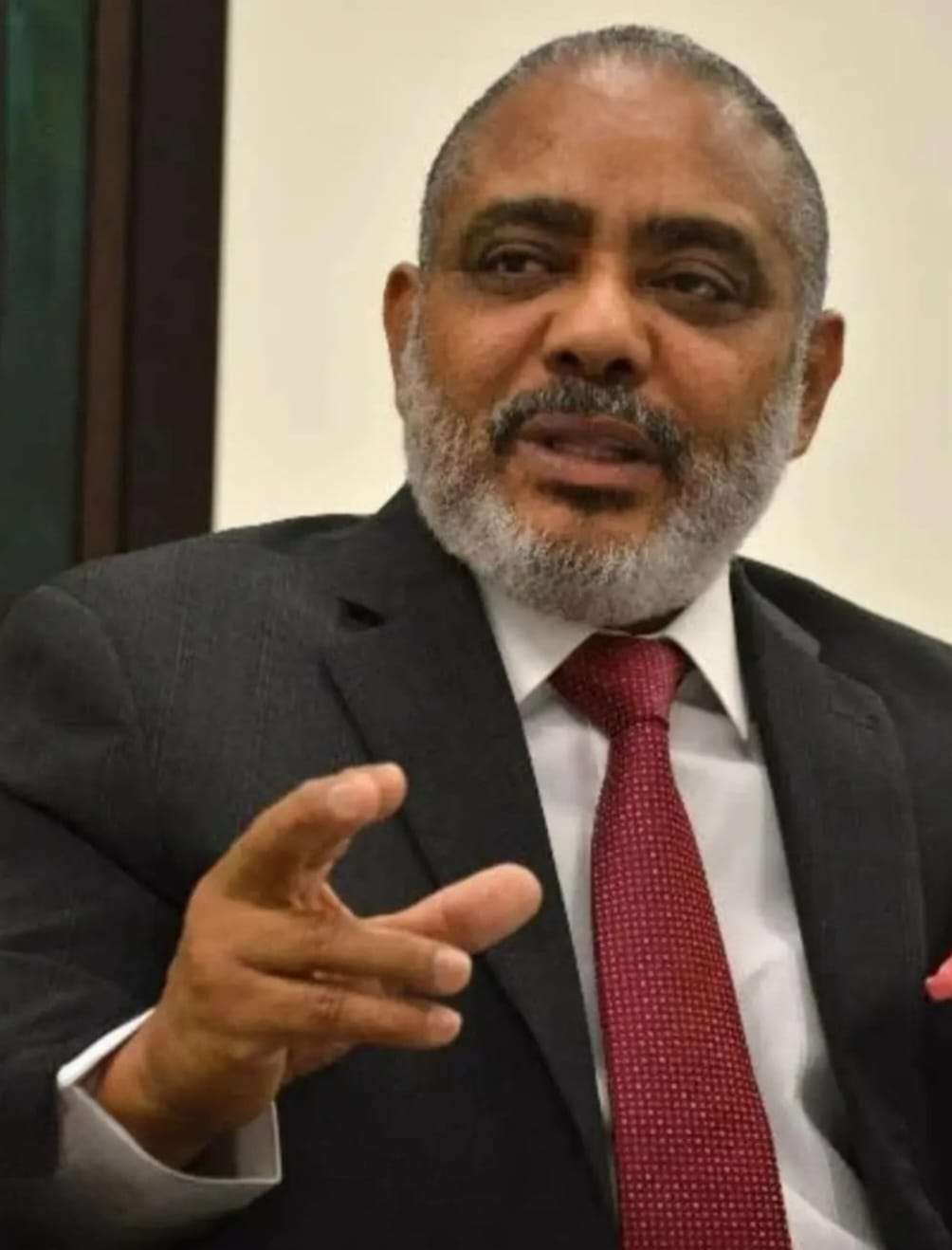
SANTO DOMINGO.- After welcoming the withdrawal of the Fiscal Modernization bill, Teodoro Tejada, former president of the Dominican College of Engineers, Architects and Surveyors (CODIA), said that collaboration between the government and citizens is key to achieving sustainable and equitable development in the country.
The engineer expressed his approval of President Luis Abinader's decision to withdraw the proposed Fiscal Modernization Law from the Chamber of Deputies, an action which, in his opinion, reflects a willingness to listen to the clamor of the Dominican people, a fundamental element in a democracy, he considered.
To foster a constructive dialogue, Tejada calls on President Abinader to reconsider, in future draft bills, aspects such as Article 28 of the withdrawn bill, referring to the exemption of 1% of the value of the assets of the individual, as well as the non-observance of Articles 13 and 14 of Law 253-12.
"Collaboration between the government and citizens is key to achieving sustainable and equitable development in the Dominican Republic," concluded Teodoro Tejada.
The professional highlighted that the demonstrations and pot-banging protests against the project, particularly in relation to the collection of Value Added Tax (VAT) on food, medicines and construction materials, as well as the increase in taxes on savings and the IPI, showed a widespread discontent that the government could not ignore.
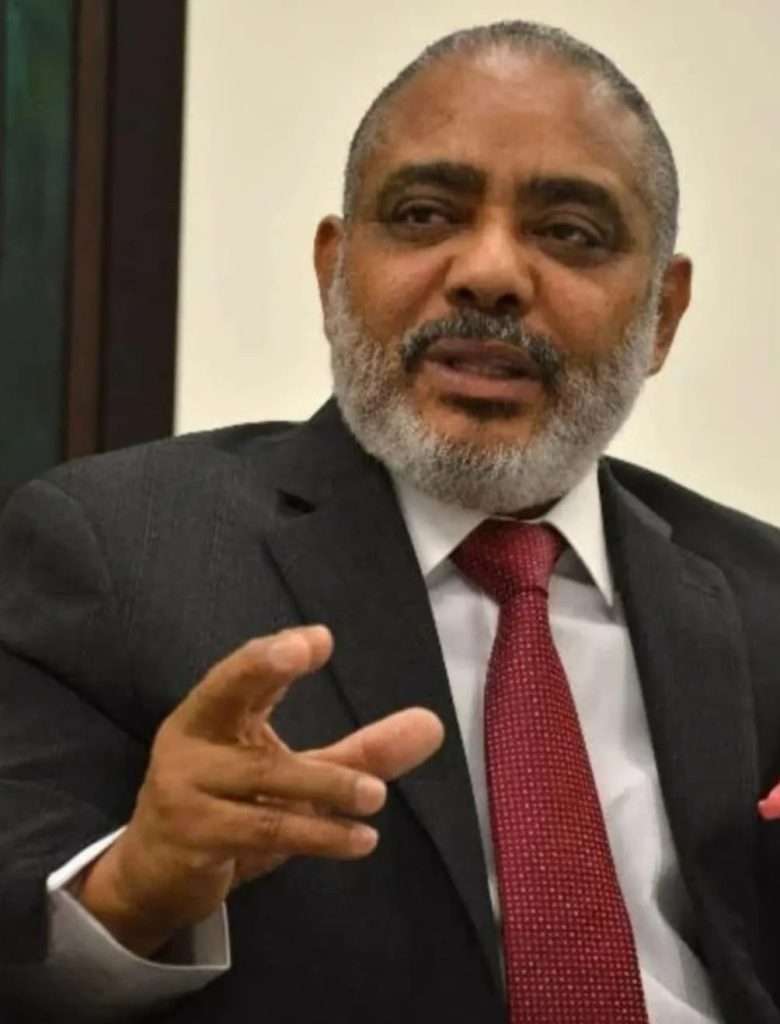
Teodoro Tejada. (External source).
"It is essential that the development policies and the reduction of the Central Bank's fiscal and quasi-fiscal deficits be implemented without sacrificing the middle class, which already faces numerous challenges," he stated.
The former president of CODIA acknowledged the efforts of several government officials, such as the Minister of Public Works, Deligne Ascención, and the Comptroller General of the Republic, Félix Santana, who defended the proposal with prudence and adherence to ethics.
He also praised the interventions of the Minister of Finance, Jochi Vicente, and the Minister of Economy, Planning and Development, Pavel Isa, who tried to guide the population on the benefits of the reform.
However, Tejada pointed out that some proponents of the exemption from the Property Tax (IPI) of 5,025 million pesos showed a lack of understanding of the issue, making it difficult to justify new taxes.







