


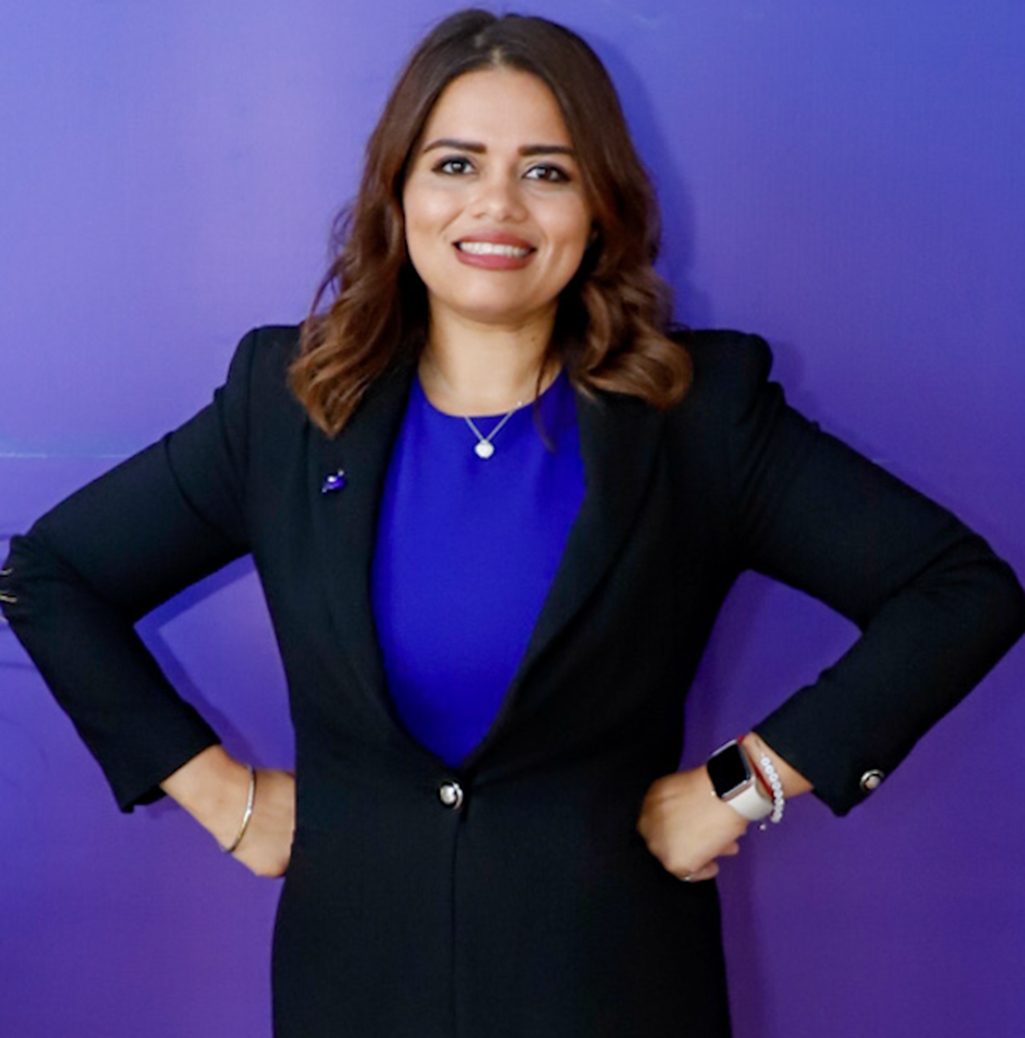
SANTO DOMINGO- Engineer Ashley Morales-Cartagena, executive director of the Center for Research on Resilience and Multi-Hazard Risks (CIRRMA-ONESVIE-PUCMM), understands that civil engineering currently faces challenges such as climate change, rapid urbanization, and the demand for resilient and sustainable infrastructure.
The president of GeoRisk Consulting, with 15 years of experience in the public, private, academic and multilateral sectors, believes that one of the most pressing challenges in engineering today is the full integration of sustainability in all phases: planning, design and construction, in addition to the digitalization of the sector and the adoption of advanced technologies.
We share the interview conducted with the outstanding professional, on the occasion of the celebration of "Engineer's Day" in the country on August 14th.
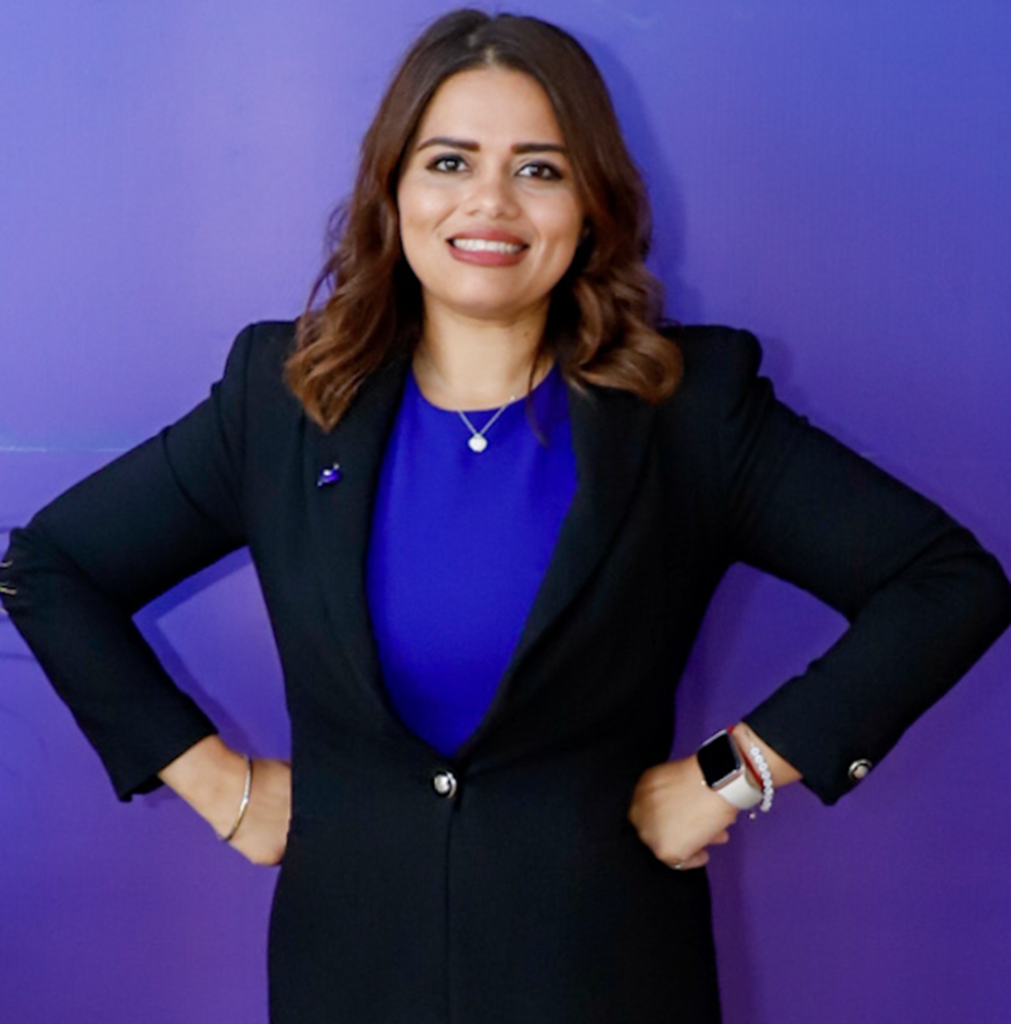
Engineer Ashley Morales-Cartagena. (External source).
1. How do you view the engineering profession today?
Contemporary engineering is undergoing a profound transformation, driven by the need to respond to emerging global challenges and the constant advancement of technology. Civil engineering, in particular, is at the epicenter of these transformations, facing challenges such as climate change, rapid urbanization, and the demand for resilient and sustainable infrastructure. In this context, engineering is not only based on technical knowledge but also requires skills in project management, technological innovation, and a keen understanding of sustainability and adaptation to climate change. Today more than ever, engineers are agents of change, called upon to contribute solutions that promote equitable and sustainable development through science.
2. How do you view the new generation of engineers entering the market?
The new generation of engineers is entering the market with a global perspective and a firm commitment to sustainability and innovation. They are better prepared technologically, with a comprehensive and holistic vision for solving complex problems. However, this generation also faces significant challenges, such as the need to acquire practical experience and the ability to adapt to the specificities of local contexts. Their success will depend on how well they balance technology with a deep understanding of the practical realities of their projects for their successful execution.
3. What challenges do you foresee in the profession today?
One of the most pressing challenges in engineering today is the full integration of sustainability into all phases: planning, design, and construction. Furthermore, the digitalization of the sector and the adoption of advanced technologies such as Building Information Modeling (BIM) demand constant updating of skills and technical knowledge. The increasing complexity and regulation of work environments also present a challenge, especially regarding the interdisciplinary coordination necessary for project success. In this context, the capacity for innovation, continuous learning, and effective collaboration across different areas of expertise are fundamental to meeting these challenges. Similarly, we must develop cost-effective solutions that allow us to design and construct structures that ensure their performance after any major natural event, such as an earthquake or hurricane.
4. Is RD doing updated engineering, competitive with the Latin market?
The Dominican Republic has made significant progress in maintaining its competitiveness in the field of engineering, especially in key areas such as infrastructure and building construction. We see large national companies actively participating in projects in countries like Panama and Jamaica. However, there is always room for improvement, particularly regarding the integration of new technologies and the ongoing training of professionals in the sector. Collaboration with multilateral organizations, as well as with academic institutions, is crucial to ensuring that the country adopts and keeps pace with international best practices. It is imperative to continue strengthening these partnerships to consolidate a Dominican engineering sector that not only competes regionally but also serves as a benchmark for sustainability, resilience, and innovation.
5. What is it like to be a female engineer? Are the challenges different from those of a man?
Being a woman in engineering presents specific challenges related to gender equality in a field historically dominated by men. Female engineers often face underrepresentation and the need to continually prove their abilities in an environment that may be reluctant to fully recognize their talent. However, times are changing, and today there is a growing acceptance and appreciation of women's contributions to engineering. This shift is encouraging, but significant efforts are still needed to promote diversity and inclusion. Support networks, mentorship, and the creation of spaces that foster equality are essential to overcoming these obstacles and ensuring that women engineers can fully contribute to the sector's development.
6. Is there sustainable engineering in the country?
In the Dominican Republic, there is a growing interest in and application of sustainable engineering practices. This is evident in the use of environmentally friendly materials, the design of infrastructure with a reduced environmental impact, and the incorporation of strategies to increase resilience to disasters. EDGE and LEED certified buildings demonstrate that we are transforming traditional construction practices into sustainable ones that consider elements such as energy, water, and materials. However, for sustainability to become the norm rather than the exception, an even greater commitment from all sectors involved is needed. We must adopt these "extraordinary" practices as part of everyday life. The full integration of sustainability into engineering in the Dominican Republic is fundamental to ensuring development that is environmentally responsible, socially just, and economically viable in the long term.







