He received that department after the administration of Carlos Bonilla, the first head to assume the directorship since its creation in 2021, whose performance was questioned at various times, especially by construction businessmen for the delays in permitting
SANTO DOMINGO. The recent appointment of Víctor Orlando (Ito) Bisonó as Minister of Foreign Affairs, replacing Roberto Álvarez, brings to an end his seven-month tenure as head of the Ministry of Housing, Habitat, and Buildings (MIVHED). But what were the former minister's main achievements during his time leading the institution?
During the aforementioned period, the former Minister of Housing focused on improving aspects where deficiencies existed, contributing to the strengthening of the sectors in which the institution intervenes directly.
The MIVHED, created in 2021 through Law 160-21, concentrates strategic competencies ranging from the construction of social housing, through public building, to the technical and regulatory supervision of the built environment.
Bisonó took over the Ministry of Housing after Carlos Bonilla, the first head of the agency since its creation in 2021, left the position. Bonilla's performance was questioned at various times, with permitting being one of the critical issues for which construction companies constantly complained due to the delay in granting it.
Advances in the modernization of permitting
In this regard, one of the main advances that Bisonó's administration showcased was related to the modernization of permitting processes, through digitization, regulatory updates, and the strengthening of technical procedures. He held regular meetings with construction industry associations and business owners, explaining his alternatives and potential solutions to the problem.
Days before his change, on Tuesday, August 11, he presented the main advances of the Permitting Modernization Plan (PMP), a comprehensive strategy that promotes the transformation of the construction permit system in the Dominican Republic by strengthening processes, updating regulations, developing technology, professionalizing human talent and greater institutional coordination.
According to the statement from the Ministry of Housing, Urban Development and Housing (MIVHED), the new platform for managing construction permits is a technological tool that will strengthen the traceability of files, improve process integration, and consolidate the digital transformation of permitting.
Also during his term, the updating of the Dominican Seismic Code was promoted , which at the end of July was in its final phase of review.
Similarly, the construction of new correction and rehabilitation centers was initiated and progressed, as part of the prison infrastructure modernization program.
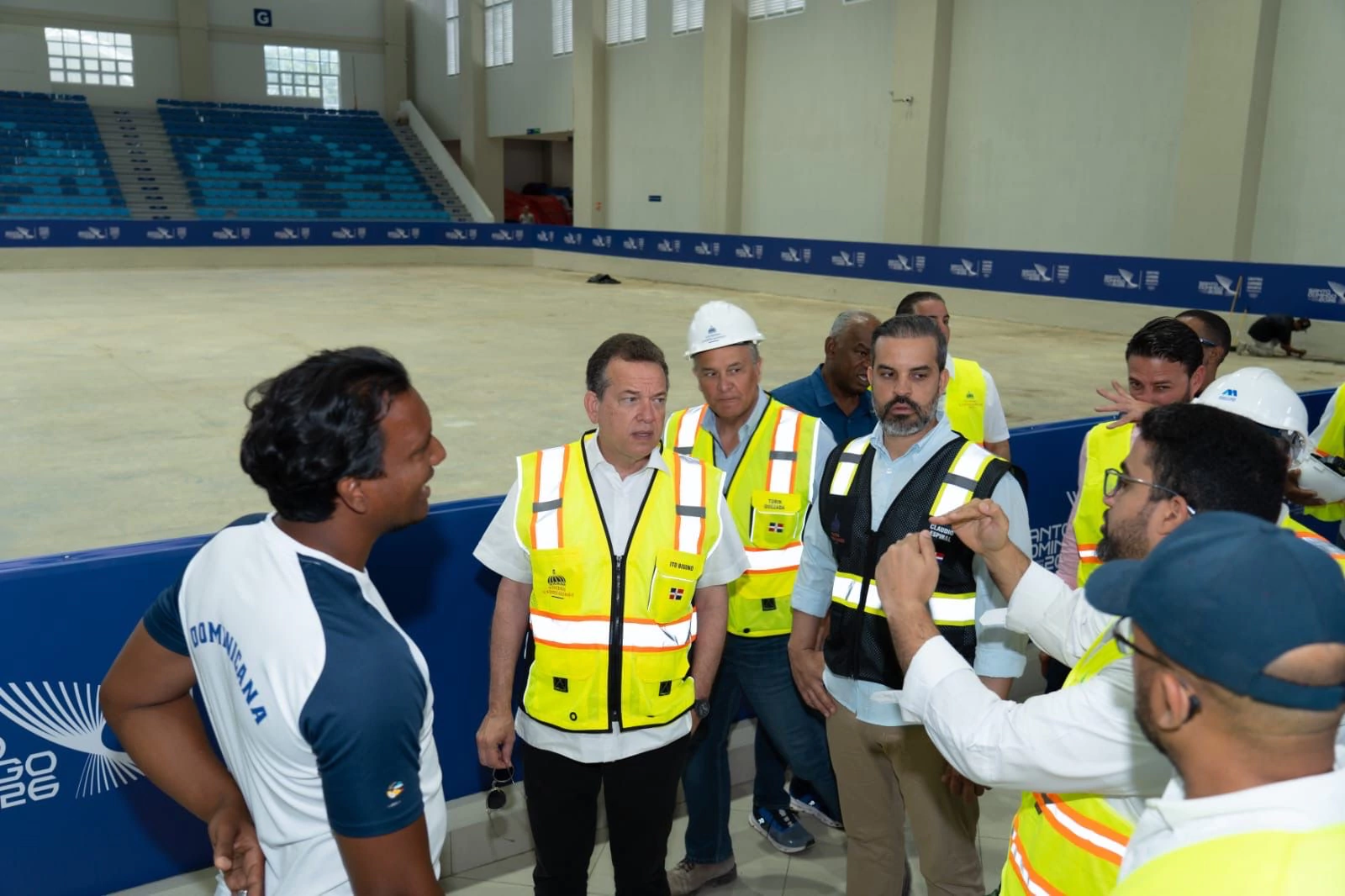
In sports matters, the MIVHED executed and delivered works related to the Santo Domingo 2026 Central American and Caribbean Games, including facilities at the Juan Pablo Duarte Olympic Center and the East Park.
More than 2,600 homes
According to MIVHED data, during Bisonó's administration, apartments were delivered to more than 2,600 Dominicans through the Happy Family and My Housing.
Likewise, during the first half of 2026, private investment projects worth RD$330,191 millionthrough the modernization of construction permit processes, representing an increase of 157% compared to the same period in 2025.
This is in addition to a 93% increase in the issuance of construction licenses during the first four months of 2026, with projects representing investments exceeding RD$230 billion.
New Seismic Code under consultation
The former head of MIVHED reported during his short tenure that a new Seismic Code is currently under consultation, while a new Construction Code has already been approved.
Bisonó explained that the authorities are working to make the processes more rigorous and ensure that the buildings submitted for evaluation and the obtaining of licenses comply with the provisions established in Dominican legislation.
A ministry marked by complaints during Carlos Bonilla's administration
Bisonó took over the MIVHED in a context marked by questions and complaints related to the management of engineer Carlos Bonilla, who remained at the head of the institution from the creation of the entity in 2021 until January 15, 2026.
During Bonilla's administration, union complaints arose related to delays in permitting processes, difficulties at the Single Window, and questions about certain technical supervision procedures.
Since its creation in 2021, through Law 160-21, MIVHED assumed powers related to the construction of social housing, public buildings, technical regulation and supervision of the built environment.
In this context, the institution managed administrative, technical and regulatory processes that involved both developers and various entities in the sector.
As documented by El Inmobiliario, the ministry operated during this period in an environment characterized by demands for greater traceability, inter-institutional coordination and agility in granting permits for the construction of works.
The Association of Housing Builders and Promoters (ACOPROVI), the Association of Housing Promoters and Builders of Cibao (APROCOVICI), the Association of Developers and Builders of Altagracia (ADECLA) and other organizations in the sector repeatedly expressed their concerns about the permit approval times.
The unions indicated that the delays had been prolonged, affecting the pace of development of new real estate projects.