


The construction industry continues to transform itself thanks to innovations that prioritize sustainability, efficiency, and advanced technology.
Sustainable technology: Recycled materials and renewable energies
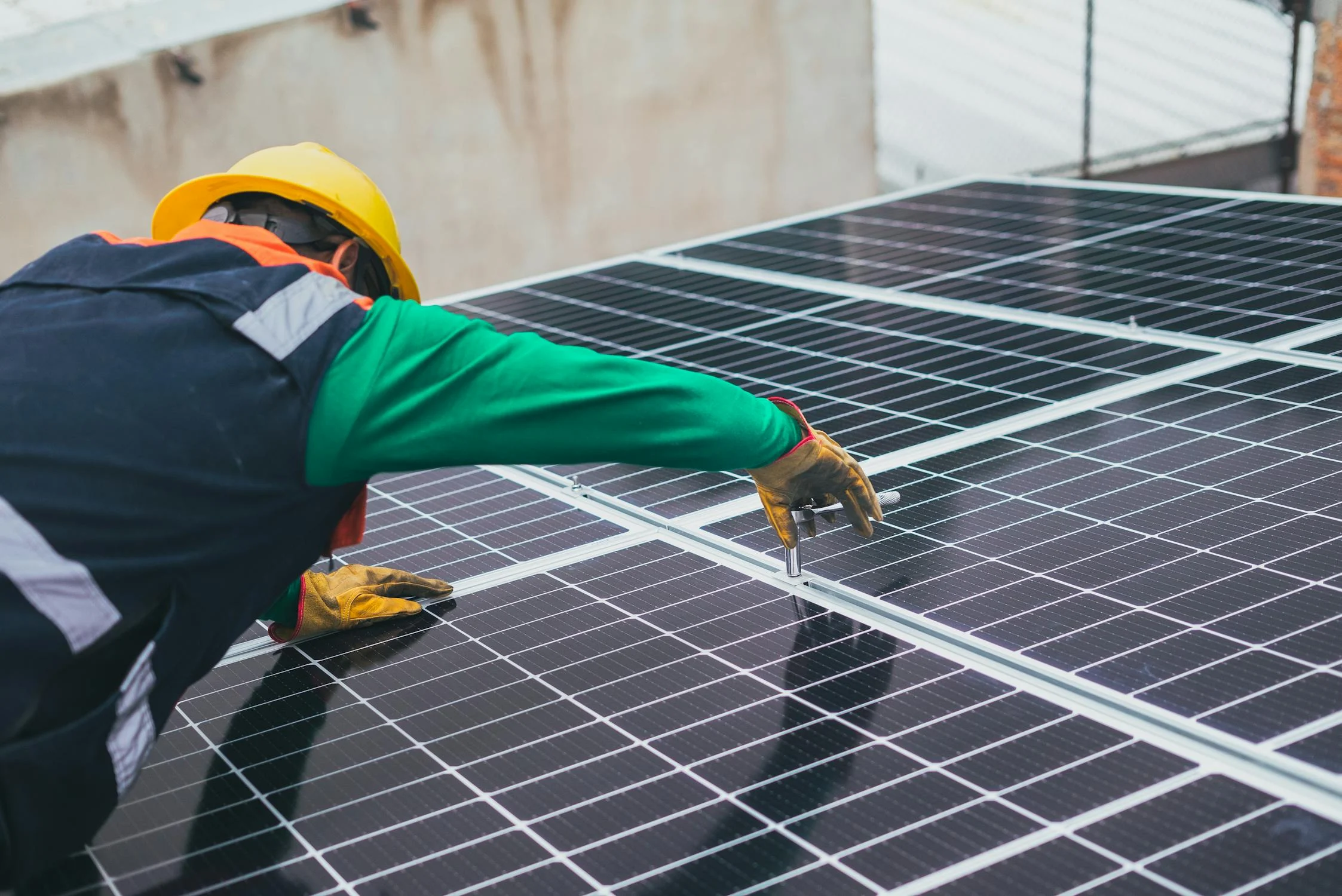
Sustainable construction will be a key pillar in 2025. With growing concerns about climate change and the ecological footprint, many companies are adopting recycled materials, renewable energy sources such as solar panels and wind turbines, and designs that minimize energy consumption. These elements not only contribute to reducing environmental impact but also allow developers to comply with increasingly stringent environmental regulations
Some examples of sustainable materials being adopted in construction projects include recycled concrete, certified wood, and bamboo, which offer strength and durability without the ecological impact associated with conventional materials.
Artificial Intelligence: Optimizing planning and execution
intelligence (AI) is revolutionizing construction by enabling more precise planning and more efficient execution. Through real-time data analysis, AI helps improve coordination among the various stakeholders in a project, optimizing timelines and reducing costs. From scenario simulations to advanced risk management, AI makes it possible to anticipate potential problems, minimizing costly errors and ensuring a smoother workflow.
Furthermore, its use facilitates remote supervision of works, allowing managers to monitor the progress of projects without needing to be physically present, a trend that responds to the needs of an industry seeking greater efficiency.
Modular construction and prefabrication: Efficiency and waste reduction
Modular and prefabricated construction is gaining popularity due to its numerous benefits. This approach reduces both time and costs, as the modules are manufactured in a controlled environment and then assembled on the construction site. By manufacturing project components under optimal conditions, greater precision and quality are ensured in the final result, while also minimizing waste and environmental impact.
Modular construction is particularly well-suited to large-scale projects that require flexibility and speed, such as apartment complexes, offices, and distribution centers. This method not only meets the needs of an industry striving to be more environmentally friendly, but also addresses the growing demand for buildings in densely populated urban areas.
Priority on the safety and well-being of workers: Innovations in the work environment
Safety in construction has always been a priority, but by 2025, a greater focus on worker health and well-being is expected. Technologies such as smart helmets allow for real-time monitoring of working conditions and the prevention of potential accidents. These technologies also help monitor workers' health, promoting a safer and healthier work environment.
In addition, construction companies are implementing mental and physical wellness programs to ensure that employees are not only physically protected, but also have a work environment where their mental health and safety are valued.
Energy efficiency and environmentally friendly materials: For responsible construction
Energy efficiency and the use of environmentally friendly materials will be essential for buildings in 2025. From low-energy LED light bulbs to triple-glazed windows and advanced thermal insulation, these materials help create buildings that require less energy for heating and cooling, benefiting both the environment and the building's occupants.
The use of eco-friendly materials, such as certified wood, recycled concrete, and bamboo, responds to an increasingly environmentally conscious market and allows the construction industry to reduce its carbon footprint. The choice of these materials also meets the increasingly stringent sustainability requirements applied in the sector.
Source: https://www.grupoveralia.com/







