


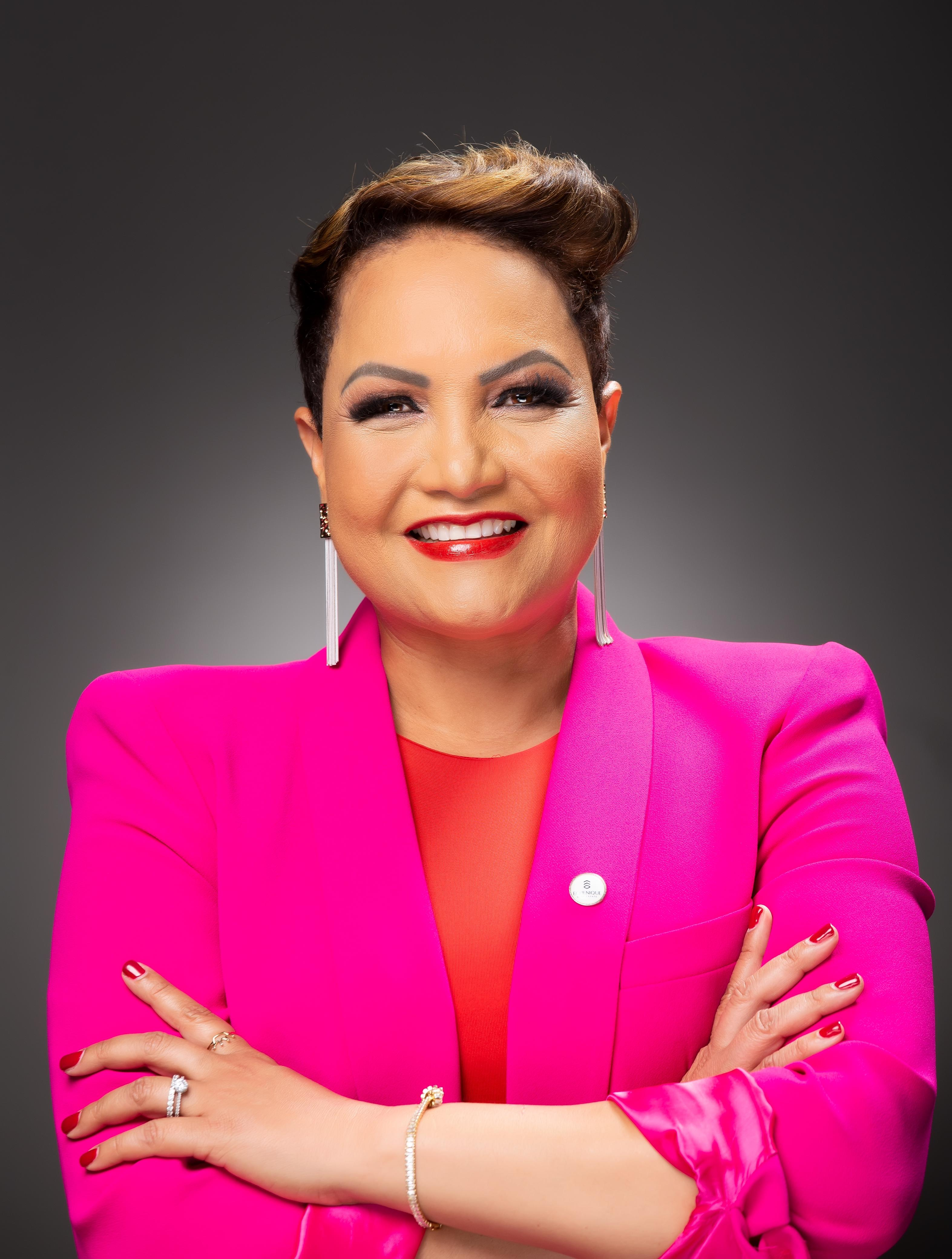
By Reyna Echenique
Special for El Inmobiliario
The Dominican Republic's real estate market has experienced significant growth in recent years, driven by tourism, foreign investment, and infrastructure development. Within this context of expansion, a new figure has emerged in the real estate sales landscape: the "Master Broker." This business model, which promises to revolutionize how real estate projects are marketed, has generated both enthusiasm and controversy within the sector.
1. The rise of Master Brokers
Master Brokers are real estate agents or companies that obtain exclusive rights to market large real estate projects. Their business model is based on recruiting sub-brokers to handle sales, promising them access to exclusive projects and attractive commissions. This system has rapidly gained popularity, especially in areas with high tourist development such as Punta Cana, Bayahibe, and Samaná.
2. Promises and opportunities
For many real estate agents, especially those new to the industry or with limited networks, the Master Broker proposition is appealing. It offers the opportunity to work on high-profile projects, access quality marketing materials, and potentially earn substantial commissions. Furthermore, it promises a flexible work structure and the chance for professional growth within the sector.
3. The reality behind the promises
The experience of many sub-brokers has been far from idyllic. The main problems reported include:
a) Delays in commission payments: Many sub-brokers report waiting up to three and four years to receive their payments, which generates serious cash flow problems and financial stability.
b) Responsibility to clients: Often, sub-brokers are the only point of contact for clients, having to handle complaints and problems without adequate support from the Master Broker or developer.
c) Lack of after-sales support: Once the sale is closed, many sub-brokers feel abandoned, having to deal alone with any problems that may arise.
d) Internal competition: The saturation of sub-brokers in certain projects can lead to fierce and unhealthy competition.
4. Ethical and legal implications
The Master Broker model raises serious ethical and legal questions that go beyond questionable business practices. One of the most serious and potentially damaging problems is the lack of due diligence, especially regarding the developer's property rights.
a) Lack of due diligence: Sub-brokers, relying on the supposed experience and professionalism of the Master Broker, assume that the Master Broker has conducted a thorough investigation into the legality and viability of the projects they represent. However, in several documented cases, the Master Brokers have failed to perform this fundamental due diligence.
b) Consequences for customers: This negligence has led to situations where customers have invested in properties with legal ownership problems, resulting in significant financial losses.
c) Abandonment of responsibilities: When these problems come to light, Master Brokers tend to distance themselves quickly, leaving sub-brokers as the only point of contact for affected clients.
d) Legal and regulatory vacuum: The lack of clear regulations on the responsibilities of Master Brokers creates a dangerous legal vacuum, exposing buyers and sub-brokers to significant risks.
5. A real case
As a sub-broker, I was involved in the sale of several units in a project that later turned out to have ownership issues. The Master Broker had not conducted due diligence, and when legal problems arose, I found myself alone handling client claims and facing potential legal action, while clients suffered financial losses. Similarly, in other projects where we participated in sales as sub-brokers between 2019 and 2020, we have not received a single commission payment to date, facing significant losses. This personal experience vividly illustrates the risks and challenges that sub-brokers face in the current system.
6. International comparison and possible solutions
In more mature real estate markets, there are strict regulations governing broker practices and commission structures. The Dominican Republic could benefit from the implementation of:
– Clear regulations on commission payment times.
– Transparency requirements in agreements between Master Brokers and sub-brokers.
– Establishing clear responsibilities in customer service.
– Creation of a regulatory body to oversee these practices, which could be the AEI.
– Implementation of a mandatory verification system for the ownership and legality of real estate projects as stipulated in the draft law for the regulation of real estate brokerage.
7. The future of the Master Broker model
The Master Broker model is not inherently negative, but it needs substantial reform to be sustainable and ethical. The future of the sector will depend on the ability of the stakeholders to self-regulate and on the willingness of those of us who are part of it to implement measures that protect all market participants. This shouldn't be based on mere favoritism towards the developer, but on doing things right that goes beyond simple marketing.
Conclusion:
The rise of master brokers in the Dominican Republic reflects the rapid evolution and complexities of the country's real estate market. While it offers exciting opportunities, it has also created significant problems that require urgent attention. The challenge for the sector will be to find a balance between innovation in business models and protecting the rights and well-being of all professionals involved.
The current situation requires an immediate and concerted response from all stakeholders in the Dominican real estate sector. Therefore, we call upon:
1. Regulatory authorities: Implement and enforce stricter regulations on the practices of Master Brokers.
2. Association of Real Estate Agents and Companies AEI: Review and update the code of ethics and establish certification and supervision mechanisms for this role.
3. Master Brokers: Adopt more transparent and ethical best practices, including conducting thorough due diligence on each project and transparency with payments to Sub Brokers.
4. Sub-brokers: Unite and organize to demand better conditions and protections.
5. Buyers: Demand transparency in transactions and verify the legitimacy of projects before investing.
6. Media: Continue investigating and reporting on these practices.
7. Legislators: Consider including in the draft law regulating real estate brokerage the activity of Master Brokers.
Change is possible, but it requires the coordinated effort of everyone involved in the real estate sector. Only in this way can we build a fairer, more transparent, and more prosperous market for all.
Theauthor is a lawyer and real estate entrepreneur, founding partner of Echenique Group, and a certified speaker by Maxwell and Tania Báez. She is also an author and ethical role model in the real estate sector.







