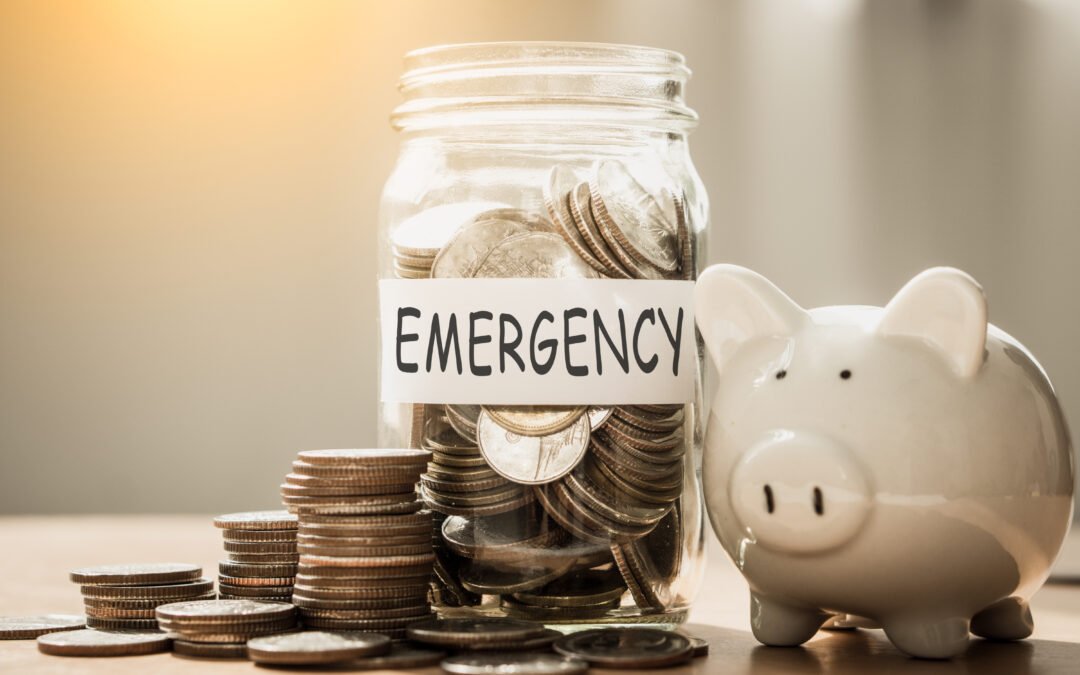
SANTO DOMINGO – In the home buying process, attention is usually focused on the down payment, loan approval, and signing the contract. However, as institutions like Banco Popular Dominicano point out, an emergency fund is the first step toward maintaining healthy personal finances and a key element for facing unexpected events without jeopardizing the household's economic stability.
This concept, also known as a "financial cushion", has become a recurring recommendation within the financial education of major banking institutions.
Support that goes beyond the mortgage
According to the Spanish Cooperative Bank, an emergency fund is a reserve of money separate from everyday use, intended exclusively to cover unexpected expenses such as job loss, medical emergencies or home repairs.
Its main objective is not profitability, but liquidity and financial security, allowing it to respond to unforeseen situations without resorting to loans or additional debt.
The most common mistake: running out of cash after buying
According to Rexi, one of the most frequent mistakes among home buyers is to allocate all their savings to the down payment, leaving them without the capacity to respond to expenses after the acquisition.
This scenario can create financial pressure in the first few months of ownership, when additional costs such as maintenance, home furnishings, or property adjustments often appear.
How much do banks recommend saving?
According to the Association of Multiple Banks of the Dominican Republic, the ideal emergency fund should cover between 3 and 6 months of basic household expenses.
These include housing, food, transportation, utilities, health, and education. In cases of variable income or a higher level of financial risk, some entities recommend extending this coverage to 9 or 12 months.
Where should this fund be kept?
According to BBVA, the emergency fund should be held in highly liquid, low-risk, and easily accessible instruments.
Among the most commonly used options are:
- separate savings accounts,
- scheduled savings plans,
- short-term deposits with partial availability.
Financial institutions agree that this money should not be placed in high-risk or difficult-to-withdraw investments, as its function is to respond immediately to emergencies.
How do you build an emergency fund?
According to guidelines from Banco Popular, creating this fund is based on consistency and planning. Among the main recommendations are:
- define an initial goal (for example, 3 months of essential expenses),
- open a dedicated account for the fund,
- automate monthly contributions from income,
- Reduce non-essential expenses to accelerate savings,
- Take advantage of extra income such as bonuses or additional jobs.
An element that protects credit stability
Although an emergency fund is not a formal requirement within a mortgage application, banking institutions assess the applicant's savings capacity and financial stability as part of their risk analysis.
An organized financial profile can reflect greater responsibility in managing commitments, which indirectly influences credit evaluation.
Banco Popular defines this fund as a financial shield that allows maintaining economic equilibrium in the face of unexpected events, preventing the household from entering into cycles of debt.
Recommended readings: