


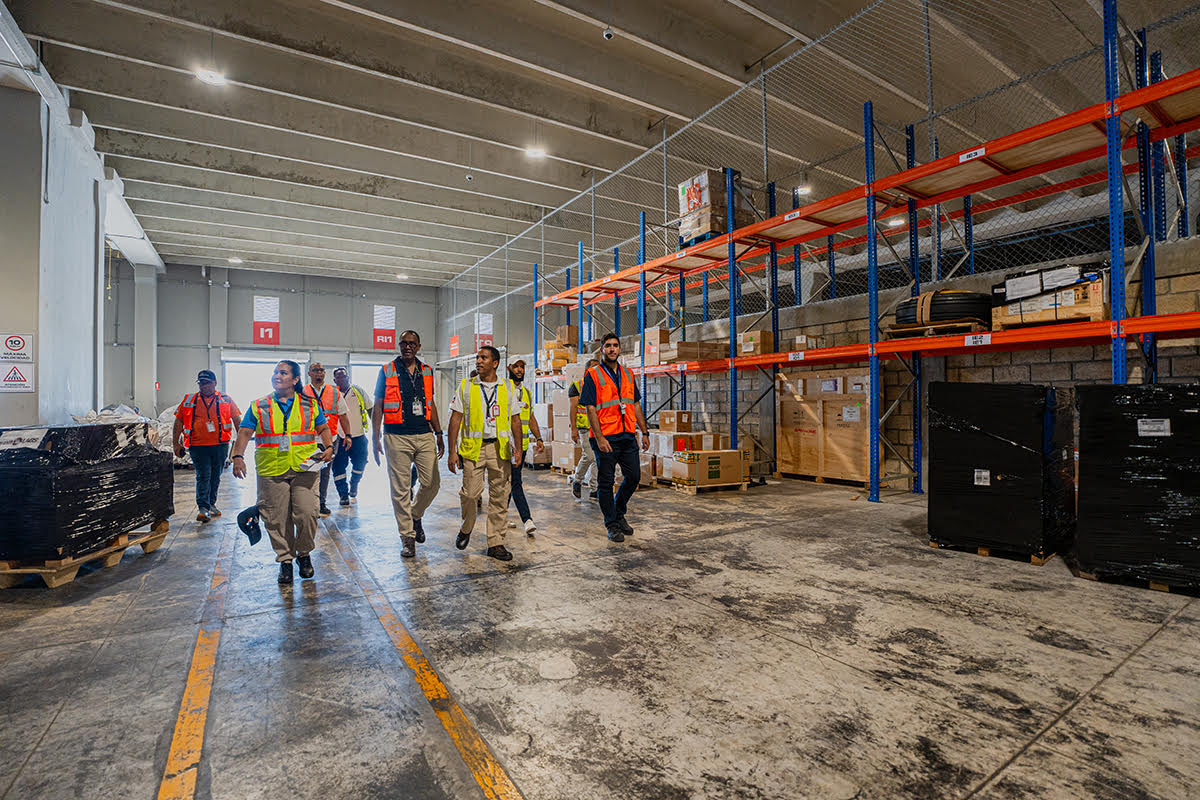
SANTO DOMINGO. – In an effort to strengthen the country's capacity to receive and distribute humanitarian aid in emergency situations, the Dominican Republic created a Disaster-Ready Airport Network.
This initiative includes the Las Américas Dr. José Francisco Peña Gómez (SDQ), Punta Cana (PUJ) and Cibao (STI) international airports, which were previously prepared under the GARD (Get Airports Ready for Disaster) methodology.
This initiative was carried out in collaboration with the United Nations Development Programme (UNDP) and the DHL Group, with the support of the Emergency Operations Centre (EOC), the World Food Programme (WFP) and the participation of the National Emergency Commission.
Airports play a crucial role in receiving humanitarian aid during disasters. As part of this initiative, the participating organizations will update their manuals and provide training for key airport personnel. This mechanism strengthens coordination among the various stakeholders, including those from the private sector, government, and international organizations involved in the humanitarian response.
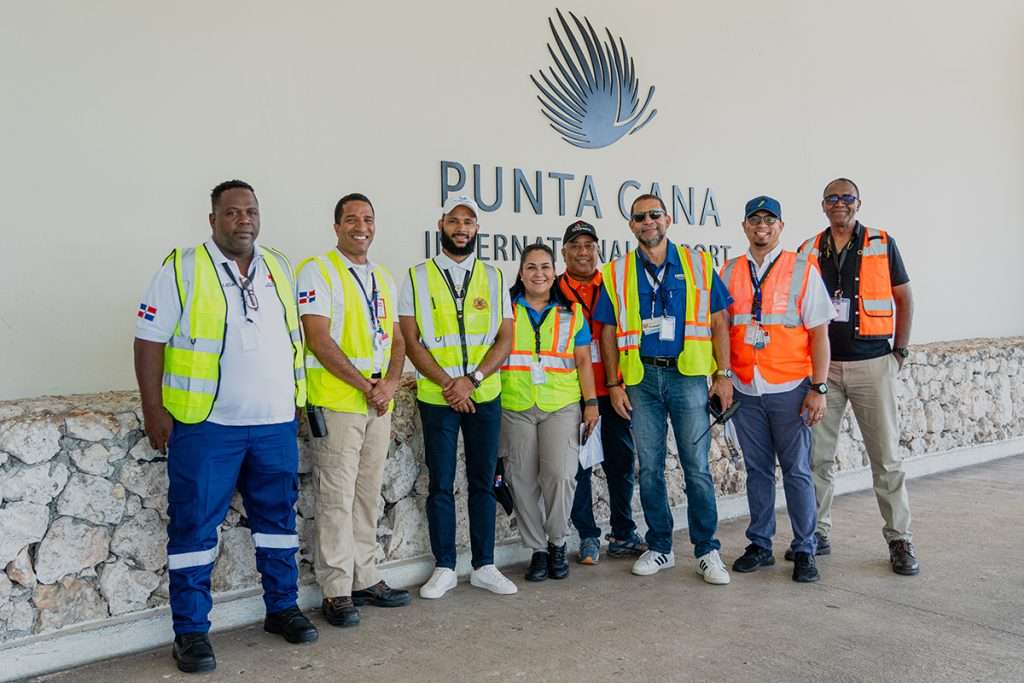
The last workshop was held at Punta Cana Airport. (EXTERNAL SOURCE).
During the GARD workshop, led by DHL airport specialists, the current disaster preparedness capabilities of the airports were assessed, and action and response plans were reviewed. This edition, held at Punta Cana Airport, aimed to standardize operating protocols among the three airports and the Emergency Operations Center (COE), strengthening logistics and operations in crisis situations.
To date, more than 60 technicians from key institutions of the National System of Preparedness, Mitigation and Response, as well as airport authorities, have been part of this process within the framework of this program.
The creation of this network will have a significant impact, optimizing available resources, reducing response times, and improving the reception and distribution of humanitarian aid. It will also strengthen the country's resilience and foster greater regional and international cooperation, positioning the Dominican Republic as a key logistics hub for the Caribbean in emergency situations.
SANTO DOMINGO. – In an effort to strengthen the country's capacity to receive and distribute humanitarian aid in emergency situations, the Dominican Republic created a Disaster-Ready Airport Network.
This initiative includes the Las Américas Dr. José Francisco Peña Gómez (SDQ), Punta Cana (PUJ) and Cibao (STI) international airports, which were previously prepared under the GARD (Get Airports Ready for Disaster) methodology.
This initiative was carried out in collaboration with the United Nations Development Programme (UNDP) and the DHL Group, with the support of the Emergency Operations Centre (EOC), the World Food Programme (WFP) and the participation of the National Emergency Commission, according to a press release.
It explains that airports play a crucial role in receiving humanitarian aid in the event of disasters. As part of this initiative, the entities will update their manuals with training for key airport personnel. This mechanism strengthens coordination among the various actors, including those from the private sector, government, and international organizations involved in the humanitarian response.
During the GARD workshop, led by DHL airport specialists, the current disaster preparedness capabilities of the airports were assessed, and action and response plans were reviewed. This edition, held at Punta Cana Airport, aimed to standardize operating protocols among the three airports and the Emergency Operations Center (COE), strengthening logistics and operations in crisis situations.
To date, more than 60 technicians from key institutions of the National System of Preparedness, Mitigation and Response, as well as airport authorities, have been part of this process within the framework of this program.
“The creation of this network will have a significant impact, optimizing available resources, reducing response times, and improving the reception and distribution of humanitarian aid. It will also strengthen the country’s resilience and foster greater regional and international cooperation, positioning the Dominican Republic as a key logistics hub for the Caribbean in emergency situations,” the document concludes.







