Every time a major earthquake occurs anywhere in the world, Dominicans ask themselves again: are our buildings really safe?
The answer doesn't depend solely on how they were designed or built. It also depends on how they have been maintained, modified, and evaluated over the years.
There is a reality that is rarely part of the public debate: buildings do not remain unchanged throughout their useful life.
The structures are constantly subjected to soil dynamics, changing loads, natural aging of materials, remodeling, expansions, leaks, corrosion and, of course, the seismic activity that characterizes the Dominican Republic.
Our country is located in a region of high seismic risk, and one of the most active areas in the Caribbean, above the Caribbean and North American tectonic plates, and the interaction between them makes earthquakes a permanent risk and not an exceptional event.
This reality demands a culture of prevention. It begins in the design phase, where risks must be anticipated.
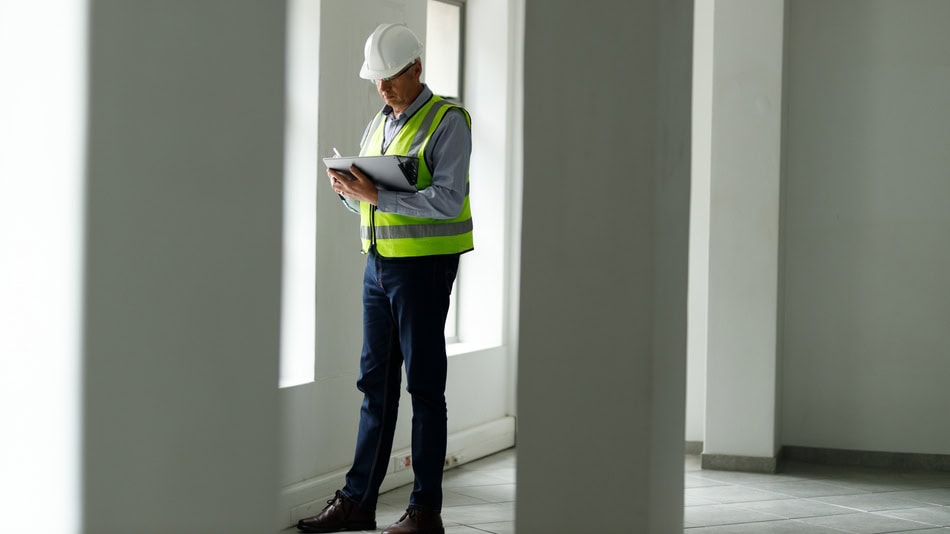
The safety of a building is not presumed; it must be guaranteed in the construction processes and effective technical supervision is crucial for controlling compliance with regulations during execution.
Inspections, tests, performance tests, quality controls, technical records and other protocols required at each stage of the work, constitute part of the documentary support that validates that the design was correctly materialized and that the work effectively complies with the regulatory requirements.
It is also essential to promote a national (permanent) program for the evaluation of existing buildings, especially those built before the entry into force of the most modern seismic regulations (year 2011 – Regulation R-001) or those whose structural condition has never been verified by specialized professionals.
However, this responsibility should not fall exclusively on the State. The State regulates, but compliance is also the responsibility of owners, administrators, and users.
Condominium management companies play a fundamental role in protecting the hundreds of families who live in the buildings.
Just as maintenance is performed on elevators, power plants, water pumps or fire protection systems, responsible management should also include the periodic contracting of structural assessments to determine the true condition of the building.
The aim is not to create alarm, but rather to manage risk in order to anticipate it.
A structural assessment allows for the timely identification of potential vulnerabilities, the establishment of intervention priorities, the planning of reinforcements when necessary, and, above all, the development of contingency plans based on technical information and not on assumptions.
Structural safety should not be assumed to be a permanent and immutable condition. It should be understood as a continuous process of verification, maintenance, and improvement. Buildings require a permanent commitment to addressing soil dynamics and the natural phenomena that will inevitably continue to occur.
The best investment a homeowners' association can make is not always an aesthetic renovation; often it will be knowing for certain the level of safety of the structure that protects their lives and the lives of the residents.
The resilience of our cities is not built solely by erecting new buildings. It is also strengthened by responsibly caring for and evaluating those that already exist.
Waiting for a major earthquake to reveal which buildings were vulnerable would be too late. Prevention will always be cheaper than reconstruction and, above all, infinitely more valuable when human lives are at stake.
Recommended readings: