


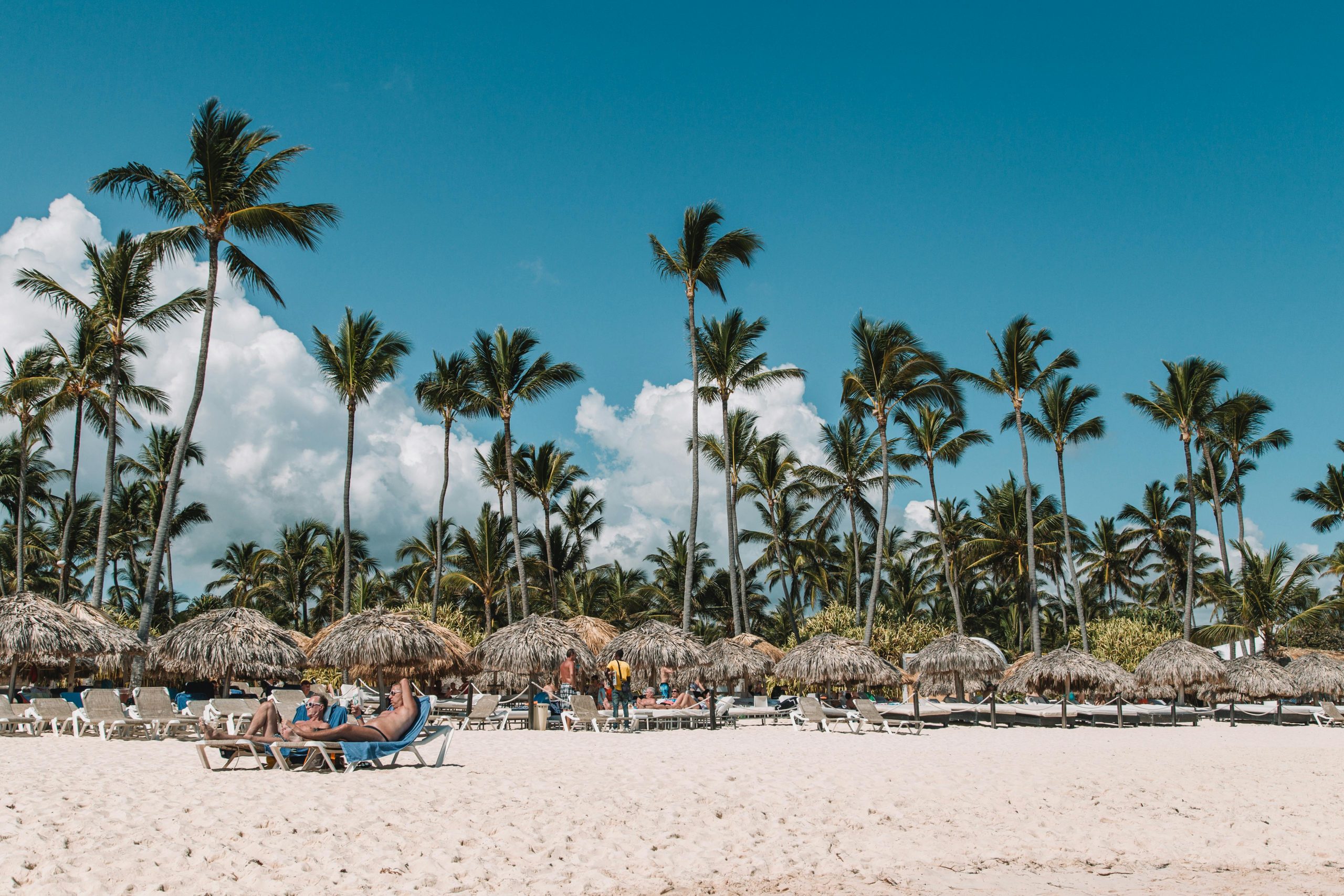
The Dominican Republic boasts record-breaking figures and a booming economy. But… what will happen if we devour paradise? The first installment of this series raises the crucial question of tourism sustainability in the Dominican Republic. (1 of 5)
SANTO DOMINGO, DOMINICAN REPUBLIC. – In old postcards and on the Instagram accounts of European and North American tourists , coconut palms and other palm trees are immortalized, leaning against the horizon, the white sand and the turquoise sea; a cocktail in one hand and sunscreen in the other: a dream treasured for a whole year made real through years of savings.
More and more are arriving, and the statistics don't lie: of the 34 million tourists who visited the Caribbean in 2024, almost a third of them preferred the Dominican Republic , and according to figures from the Ministry of Tourism (Mitur) and the World Tourism Organization (UNWTO), 11 million bodies arrived eager to tan their skin on any of the country's shores, enjoying a piña colada or a mojito, double rum and a colorful paper umbrella.
However, behind the numbers, the reverberation, and the tourist's dream, the question arises: how long can this paradise be sustained if the tourism industry continues to grow at its current rate?
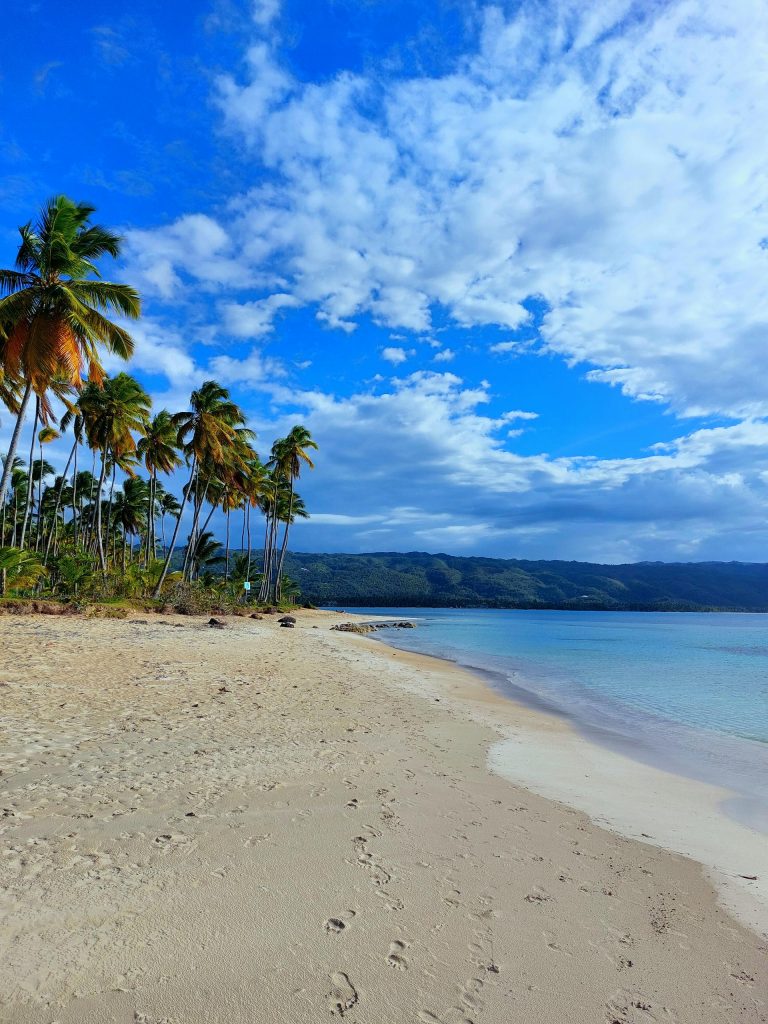
In 2024, almost a third of tourists who visited the Caribbean chose the Dominican Republic. (External source).
Business leaders and the government were proud when the World Travel & Tourism Council (WTTC, 2024) revealed that the industry generates 15% of the national GDP, providing more than one million direct and indirect jobs. “Tourism is the engine of our economy,” Minister David Collado often repeats, overlooking the fact that a train running without brakes can also derail if the appropriate variables are not controlled.
As Professor Renée Vásquez of the Technological Institute of Santo Domingo (INTEC) states: “Tourism should be an engine, but also a guardian of the territory,” and she bluntly warns that “If we continue expanding the hotel zone without planning, there won’t be a beach that can withstand it.
The Dominican Republic Hotel and Tourism Association (Asonahores) reported in April 2025 that there were 90,000 operational hotel rooms and projected an additional 10,000 by the end of the year, with an estimated investment of over US$3 billion, bringing the total to 100,000 accommodations. This increase demonstrates the continued expansion of the tourism sector in the country, driven by growing demand and both domestic and foreign investment.
The tourism boom generates foreign exchange, infrastructure, and local economic activity. Large hotel chains compete to have the biggest, most luxurious, and most fully booked hotels; the government is expanding airports , and the entire sector has agreed to improve the complementary offerings, diversifying the cultural agenda.
Chin a chin
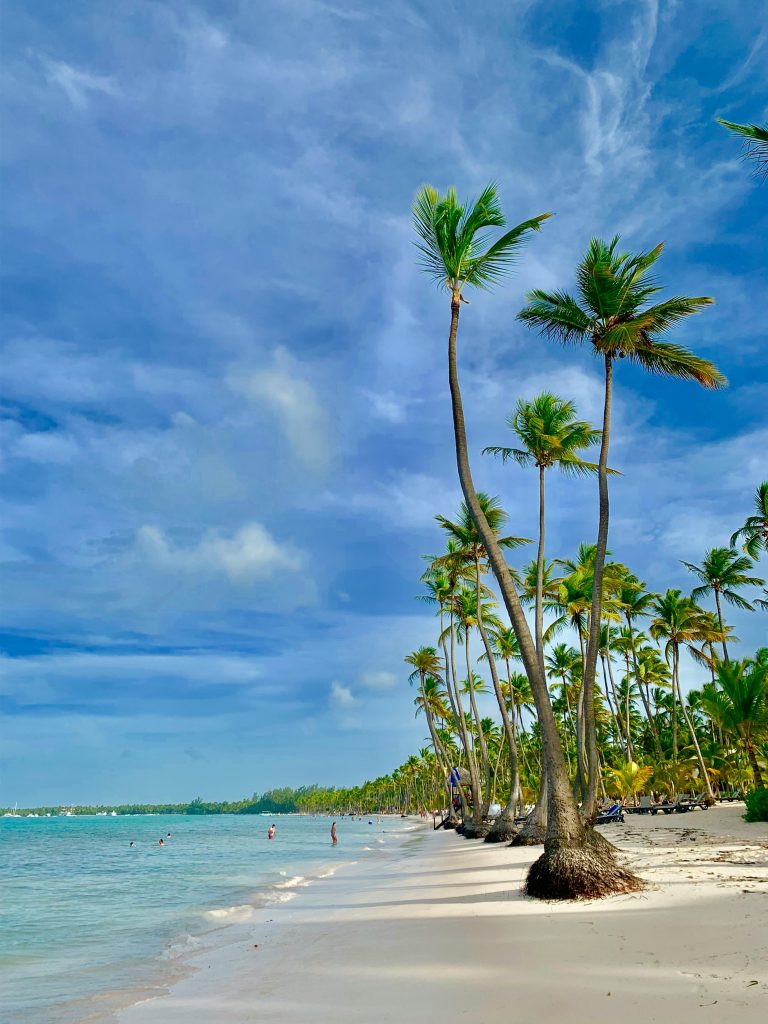
Will the Dominican Republic be the enduring tourist paradise or the destination that devoured itself? (External source).
The massification of tourist destinations brings money but also risks and irreparable environmental damage in the medium or short term, especially with the high levels of overexploitation of resources and natural environments.
The Inter-American Development Bank (IDB) study "Sustainable Tourism in the Caribbean: Challenges and Opportunities, " published in 2022, warns of the need for more efficient water management throughout the region, including the Dominican Republic, due to "serious supply tensions before 2030."
There is also talk that the most crowded beaches are suffering accelerated erosion ; that the natural barriers against storms and biodiversity nurseries that are the reefs are breaking, bleaching and dying, in addition to the fresh water that is beginning to run out.
The Caribbean Tourism Organization reports a sustained increase in visitors, while the Caribbean Natural Resources Institute warns that more than 60% of the region 's coastal ecosystems are at risk due to the interplay between tourism and climate change , an equation that confronts the Caribbean, from Cancun to Barbados, with the dilemma of growing or conserving.
The outlook isn't so bleak, and there are signs pointing to a possible alternative path, particularly in the Lesser Antilles, with examples like Aruba ,which is promoting mandatory environmental certifications for hotels; Saint Lucia, which is experimenting with community-based tourism, integrating farmers and fishermen; and Jamaica, which is diversifying with cultural and ecological routes. These are beacons showing that another way forward is possible.
And what about the Dominican Republic?
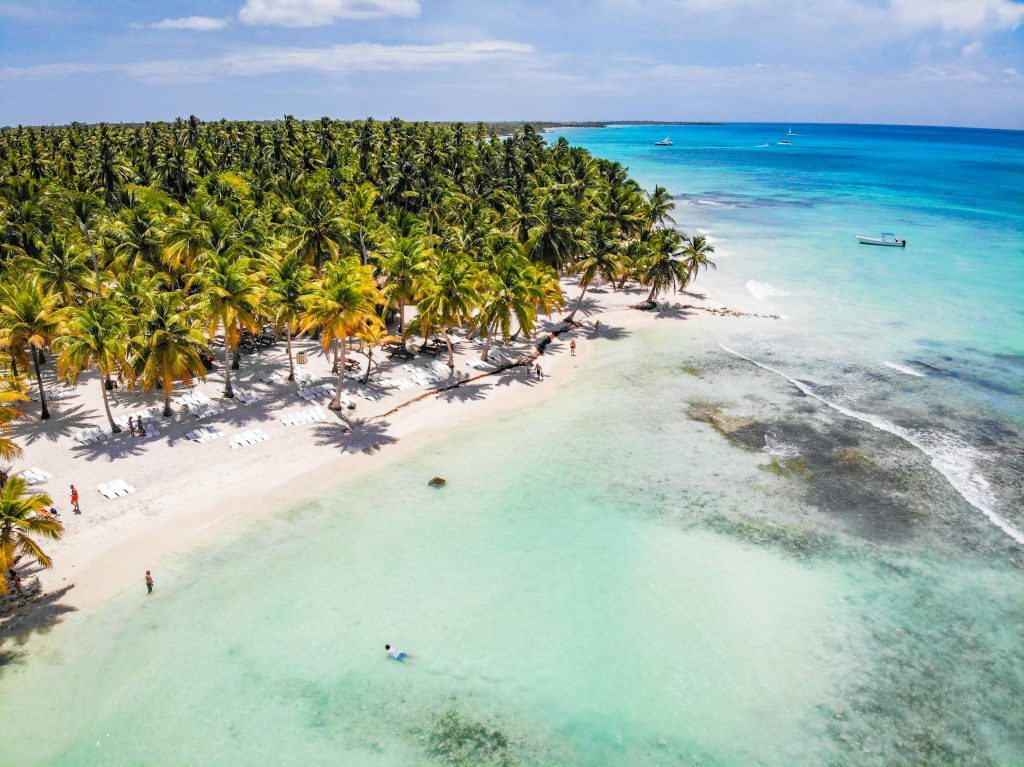
The World Tourism Organization has recognized that the Dominican Republic “has become a global tourism benchmark.” (External source).
The World Travel & Tourism Council insists on the need to evolve towards a Nature Positive, aimed at giving back to biodiversity more than is taken from it, and in the Dominican Republic, although it is not yet official state policy, is beginning to emerge, along with tentative signs of change.
The country's authorities have shown interest in diversifying tourist destinations, developing areas beyond the highly coveted and well-marketed Punta Cana, such as the circuits of Samaná, Miches, and the Central Mountain Range. Because you can't put all your eggs in one basket.
Similarly, as a way to address and take advantage of the 400,000 tons of sargassumthat will arrive in the Caribbean in 2025, universities such as the Technological Institute of Santo Domingo (INTEC), a prestigious local university with more than 50 years of service, and local companies have started experiments to develop a circular economy with the macroalga, transforming it into fertilizers, construction materials and biofuels.
Hoteliers have also stepped up their efforts and are striving to be greener. Some chains report reductions in water and energy consumption of up to 30% through various initiatives that engage and motivate guests , thanks to efficiency programs and international certifications such as Green Globe and Travelife.
The future is at stake.
The World Tourism Organization has recognized that the Dominican Republic “has become a global tourism benchmark,” a recognition that carries both a great privilege and a great responsibility. Minister David Collado's message is: “Together with the private sector, we will promote environmentally responsible tourism with a focus on sustainability.”
To preserve that position and for the country to consolidate its place on the regional and global stage, it must direct its growth towards truly sustainable tourism.
As an island with limited resources and vulnerable ecosystems, the Dominican Republic must exercise caution, especially given its proximity to Cancún, where concrete has displaced sand to such an extent that it has compromised the very essence of its beaches and ecosystems. In the words of academic Matilde Córdoba Azcárate, “the design and construction of Cancún, as a manufactured tourist city, has fostered patterns of ecological negligence.”
The question arises forcefully: will the Dominican Republic be the enduring tourist paradise or the destination that devours itself? The answer will depend on how the country manages its success: whether it transforms its record-breaking figures into lasting policies or into short-term gains that lead to long-term problems.
References
Inter-American Development Bank. (2022). Sustainable tourism in the Caribbean: challenges and opportunities.
Caribbean Natural Resources Institute (CANARI). (2023). Coastal ecosystems and tourism impacts in the Caribbean.
World Travel & Tourism Council (WTTC). (2024). Economic Impact Report: Dominican Republic.
Ministry of Tourism of the Dominican Republic. (2024). Tourism statistics 2024.
World Tourism Organization (UNWTO). (2024). Tourism highlights: Caribbean region.
Vásquez, R. (2024). Interview at INTEC on tourism and sustainability.
Matilde Córdoba Azcárate (2018). Fueling ecological neglect in a manufactured tourist city: planning, disaster mapping, and environmental art in Cancun, Mexico. Journal of Sustainable Tourism, 27(1): 1–19.







