


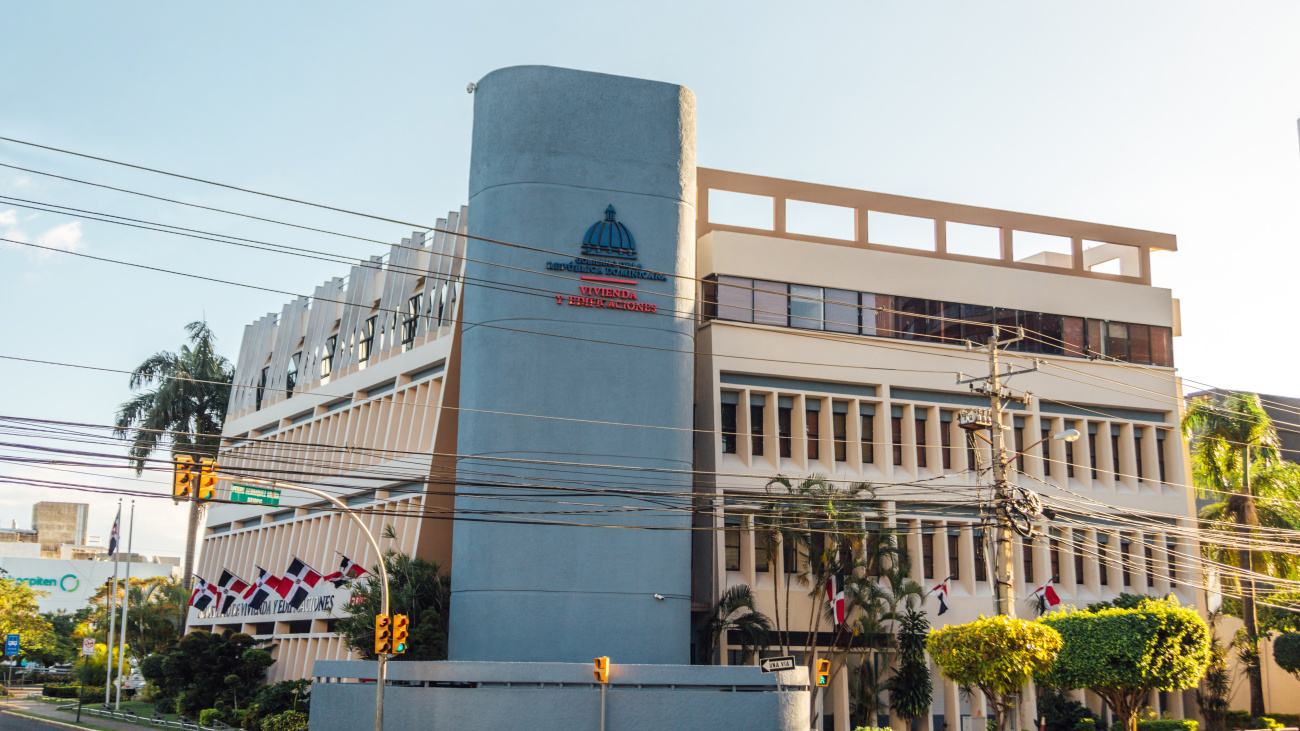
Minister Bisonó acknowledged that hotels, churches, and private event venues also pose a risk to those who frequent them, although direct state regulation will focus on public assets
SANTO DOMINGO. – The Ministry of Housing and Buildings is working on the final stages of a maintenance code for public buildings, Minister Ito Bisonó confirmed when asked on the first broadcast of the program "Mivhed en marcha" about the progress in structural safety, following the collapse of the roof of the Jet Set nightclub that left 236 people dead in April 2025.
In arguing for the need for preventive maintenance, the official pointed out that structural failures put at risk "the life of a third party who does not know who did it, who is in that place, whether it is a hotel, a church or a hall," spaces that mostly belong to the private sector, but receive large numbers of people.
"The private sector must have its own maintenance and monitoring regarding daily use," stressed Ito Bisonó, minister of the state entity.
In that sense, he drew a distinction: while the new code will directly regulate the maintenance of state buildings, including elevators, private owners will be responsible for managing the maintenance and monitoring of their properties on their own.
Bisonó did not specify what oversight mechanisms will be applied to that sector, beyond stating that the Ministry's role will be "friendly and advisory, but in compliance with the law.".
Maintenance versus vertical growth
The issue of maintenance takes on additional relevance in the context of the accelerated vertical growth of cities like Santiago and Santo Domingo Este, where residential and commercial towers are proliferating.
The maintenance code is in addition to a new building code and an updated seismic code, both of which are also in advanced stages of development.
Bisonó recalled an earthquake that occurred approximately eight years ago on the north coast that collapsed several three-story schools in the early morning: "If that had been during the day, the story would have been different," he warned, as an argument for the urgency of acting before new tragedies occur.
Recommended readings:







