


The new system aims to streamline procedures, improve companies' cash flow, and expand payment options within the digital transformation process of customs services
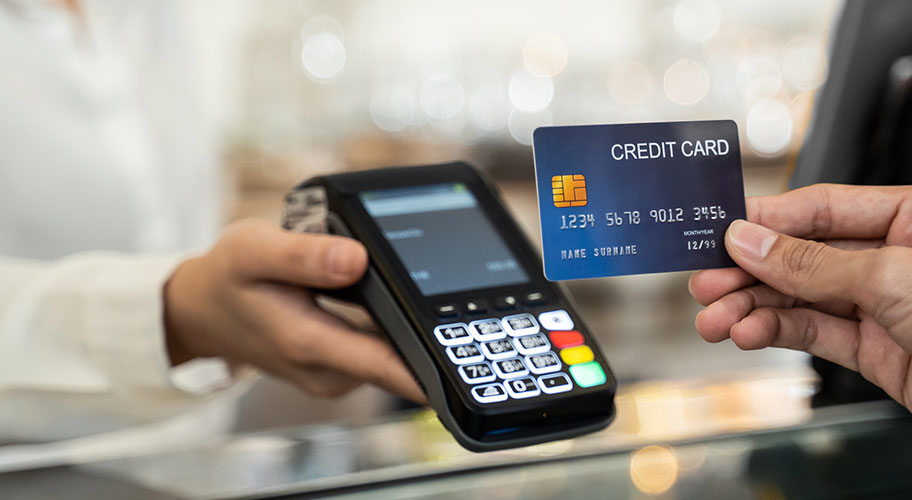
Dominican importers will have a new option for fulfilling their tax obligations. From now on, payments for taxes and customs services can be made using credit and debit cards, a measure that aims to simplify processes, reduce processing times, and strengthen the digitalization of foreign trade operations.
The initiative was presented by President Luis Abinader during the launch of the "Payments with Cards" platform, developed by the General Directorate of Customs (DGA), as part of its institutional modernization strategy, according to the Presidency of the Republic.
What changes for users?
The new tool will allow importers, customs agents and taxpayers to make payments both at the institution's offices and through enabled digital channels, using physical cards or mobile devices.
According to the authorities, the measure will facilitate compliance with customs obligations, especially for micro, small and medium-sized enterprises (MSMEs), a segment that carries out numerous low and medium value transactions on a recurring basis.
In addition to streamlining transactions, the system offers an additional advantage for businesses: the ability to use credit lines to cover tax obligations without immediately affecting their liquidity.
A boost for SMEs
During the presentation, the general director of the collection agency, Nelson Arroyo, emphasized that this modality represents more than just a new payment method.
As he explained, the cards allow companies to optimize working capital, improve cash flow, and facilitate the continuity of business operations, factors that are especially relevant for companies that depend on constant imports to maintain their productive activities.
The official noted that during the past year, small and medium-sized taxpayers contributed nearly RD$30 billion to customs revenues, a figure that highlights the importance of providing more agile and flexible tools for this sector.
Less effective and greater traceability
Another benefit highlighted by the authorities is the strengthening of the traceability of operations.
When making payments by card, each transaction is recorded electronically, which facilitates the verification of movements, reduces the use of cash and helps to strengthen the security of the processes.
The institution indicated that this modality will also allow for faster processing times and improve the user experience by reducing the number of in-person procedures.
An increasingly digital ecosystem
According to data presented during the event, currently 99% of customs administration collections are already carried out through electronic channels, while only 1% is processed through traditional mechanisms.
The addition of credit and debit cards expands the options available within this digital ecosystem and responds to the need to manage frequent transactions more quickly and efficiently.
Incentives to promote its use
As part of the launch, Visa announced a temporary incentive program to encourage the adoption of this payment method.
The company reported that holders of Visa credit cards issued by Dominican banks will be able to receive up to 10% cashback on customs tax payments made between June 2 and July 31, both at bank branches and on enabled digital platforms.
The initiative is part of an agreement signed between the customs administration, Visa and the acquiring companies Cardnet, Azul and Portal, whose representatives agreed that the incorporation of new payment methods constitutes an important step to modernize services related to foreign trade and facilitate the operations of taxpayers.
Recommended readings:







