


Implementing these improvements strengthens the safety of infrastructure in the face of climate change and contributes to its long-term resilience.
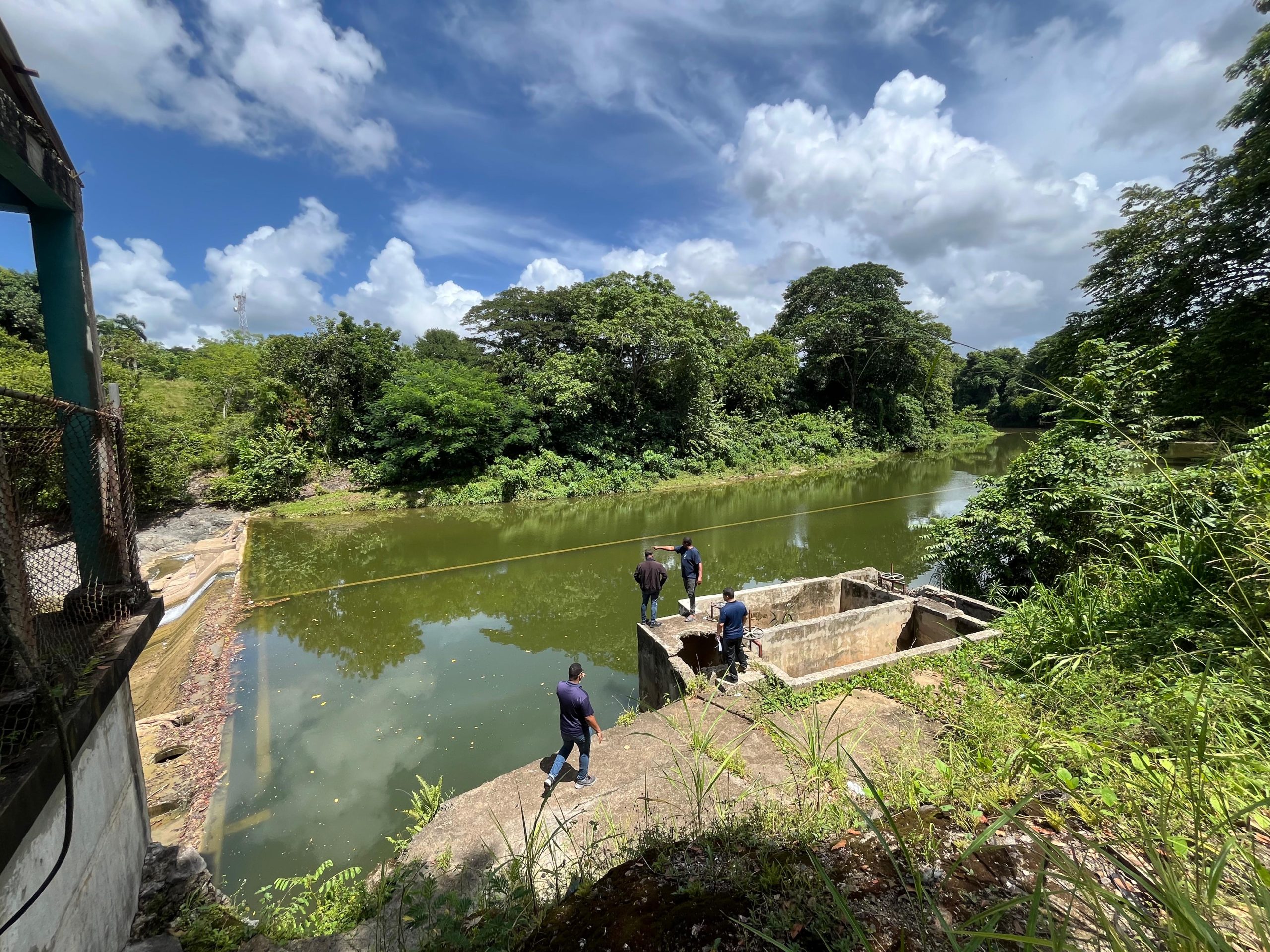
SANTO DOMINGO. — As part of the initiative “Strengthening Capacities, Security and Resilience of Critical Infrastructure in the Dominican Republic, Cuba and Haiti”, technical surveys were carried out in four prioritized water systems to measure their resilience with the Safe Aqueducts Index (IAS), identify improvements and strengthen the water security of the communities.
The prioritization of these systems was defined together with the national counterparts, taking into account technical and management criteria: preference for aqueducts under the jurisdiction of INAPA that had not yet been evaluated with the IAS; attention to community aqueducts that require capacity strengthening to sustain their operation in co-management schemes; and territorial alignment with educational centers to be evaluated by the education component of the project.
The technical visit was carried out by a multidisciplinary team from the United Nations Development Programme (UNDP), in coordination with the National Institute of Drinking Water and Sewerage (INAPA), Civil Defense, the National Office of Seismic Evaluation and Vulnerability of Infrastructure and Buildings (ONESVIE), the Santo Domingo Water and Sewerage Corporation (CAASD) and the Ministry of the Presidency.
A press release highlights that the report resulting from this survey will allow for the establishment of a functional improvement plan with sustainable solutions to optimize operations, improve emergency response capabilities, and ensure functionality in the face of climate threats, guaranteeing an efficient and continuous supply.
Implementing these improvements strengthens the safety of infrastructure in the face of climate change and contributes to its long-term resilience, so that it can continue to perform essential functions during and after extreme events.
Community leadership and women's participation to build water resilience
As part of the process, a socialization and self-awareness session was held with the Rural Aqueduct Community Association (ASOCAR) of the Cayacoa–El Tintero aqueduct (San Pedro de Macorís). Community leaders—including those involved in the sustainability of self-managed aqueducts—participated to reflect on women's leadership, identify barriers and opportunities, and map skills and knowledge. The session allowed them to strengthen their leadership, highlight challenges such as the burden of caregiving, and explore alternatives for mutual support and collective initiatives for more inclusive water management.
With the technical evidence from the IAS, teams can prioritize rapid, high-impact interventions, as well as structural and management actions that strengthen the safe operation of systems. It also promotes inter-institutional coordination to expedite permits, financing, and procurement, and strengthens local capacities to ensure the sustainability of the results.
Financing and alignment
The survey was developed within the framework of the Infrastructure for Resilient Island States (IRIS) program and is aligned with national development commitments and international frameworks such as the 2030 Agenda (SDG 6) and the Sendai Framework.







