


It warns that this provision could also create tension with the special regime established in Law No. 189-11, which promotes access to housing and the development of the mortgage market
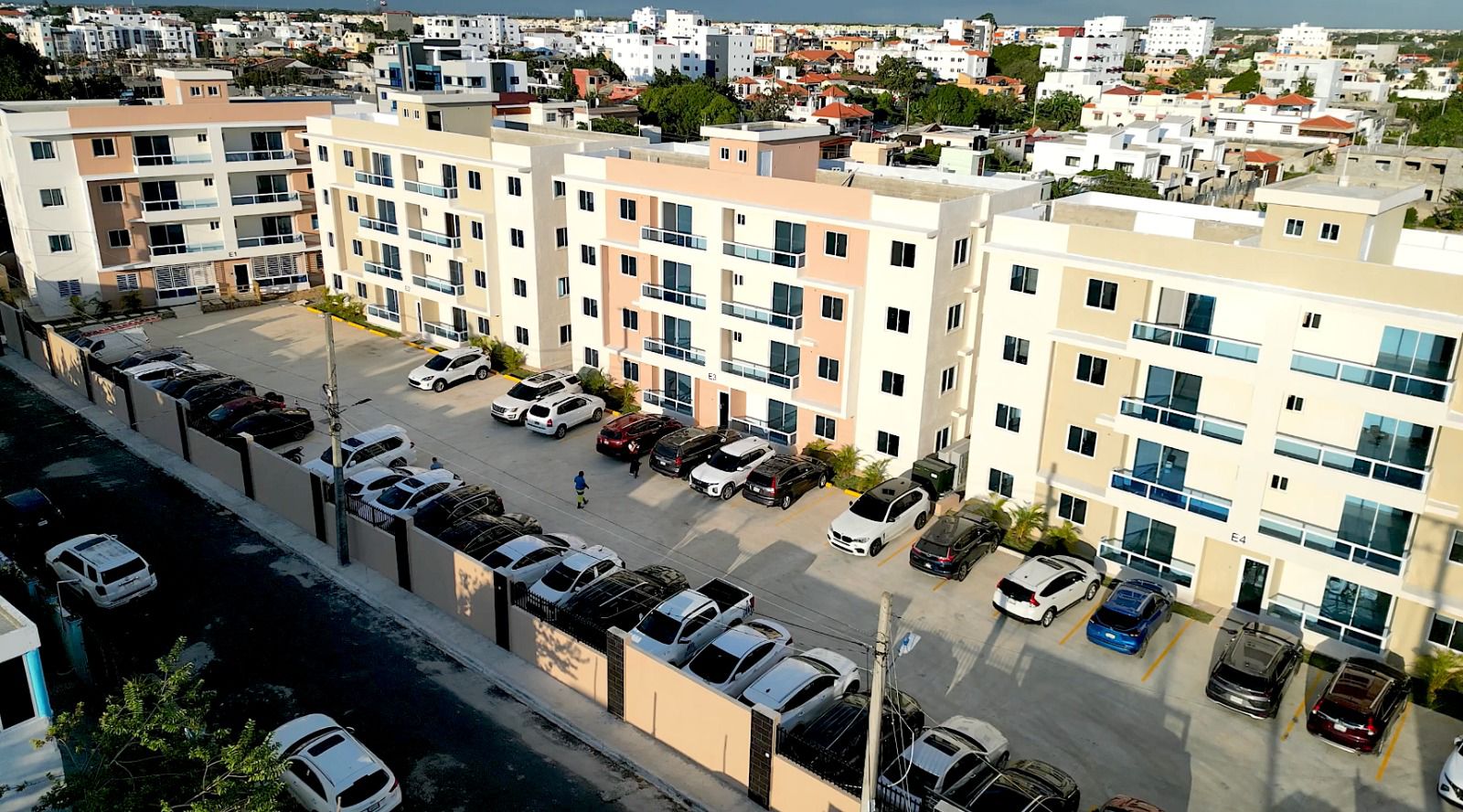
SANTO DOMINGO.– Associations and guilds representing the housing construction sector in the Dominican Republic expressed their concern about the approval of Law No. 225-20 on Comprehensive Management and Co-processing of Solid Waste, highlighting that it could translate into new housing costs and therefore possible price increases for buyers.
They emphasized that the Senate's consent was granted urgently and without due technical debate, and that it could also create tension in projects protected under Law 189-11 for the Development of the Mortgage Market and Trusts in the Dominican Republic.
Construction companies in the housing sector are concerned that this legislation will tax projects operating under trusts, creating scenarios of double economic burden by imposing new obligations on legal vehicles and economic operations that already bear these tax burdens, and whose chain increases project costs and translates into the final price for home buyers.
In a statement signed by several construction guilds, they warn that this provision could also create tension with the special regime provided for in Law No. 189-11, which promotes access to housing and the development of the mortgage market.
“We recognize the importance of strengthening the comprehensive management of solid waste and support initiatives aimed at promoting environmentally responsible management. However, we consider it essential that the measures adopted respond to criteria of proportionality, legal certainty, and economic sustainability, avoiding unforeseen effects on strategic sectors such as housing,” the entities emphasized in a press release.
They called on the Chamber of Deputies to open a space for dialogue with the sectors involved, re-evaluate the scope of the initiative, and guarantee balanced, technically sound, and proportionate legislation that promotes environmental sustainability without affecting legal certainty, investment, and access to housing.
The statement is signed by the Dominican Association of Housing Builders and Promoters (ACOPROVI), Association of Housing Promoters and Builders of Cibao (APROCOVICI), Association of Builders of Santo Domingo East (ACOSDE), Association of Builders and Developers of La Altagracia Province (ADECLA) and the Dominican Chamber of Construction (CADOCON).
In context
The Senate of the Republic approved last Tuesday, June 23, urgently and in an extraordinary session, the project that modifies Law 225-20 of the General Law of Comprehensive Management and Co-processing of Solid Waste, which includes changes in the payment of amounts by legal persons or entities and the prohibition of import of foam products.
In two consecutive readings, the amendments to the law were approved with a total of 22 votes in favor out of 28. Since then, business leaders from various sectors have raised their voices to demand a review of the legislation, arguing that it compromises their well-being and that of the country.
Two businessmen in the construction sector warned that applying the tax could create a double economic burden on the same project and, consequently, result in higher construction costs and a possible increase in housing prices.
Jochimin Pérez, CEO of Constructora JPérez, considered it inappropriate for real estate trusts to be taxed independently when the project promoter is already subject to that same tax.
Similarly, the Dominican Republic Hotel and Tourism Association (Asonahores) requested a technical review from legislators of the bill that modifies the General Law on Comprehensive Management and Co-processing of Solid Waste, approved by the Senate in an extraordinary session, warning that the new economic burdens it establishes could affect the competitiveness of key sectors, including tourism.
The hotel industry's position is not new. Since July 2025, when the Chamber of Deputies approved a previous version of the bill, Asonahores had already expressed its rejection, pointing out that the initiative completely ignored sargassum, despite its massive impact on tourist coasts, and that the special taxes were levied on companies based on gross income, without considering the actual amount of waste generated.
Recommended readings:
- Construction industry leaders warn that the tax burden on real estate trusts could impact housing costs
- How much will construction companies pay for solid waste management after the DGII update in 2026?
- Asonahores and tourism associations request technical review of new reform to the Solid Waste Law







