Tourism can be an encounter between people, a pact with nature, and a real development opportunity for communities that refuse to be mere spectators, with the challenge of not losing their essence. This is the fourth installment in the Sustainable Tourism series in the Dominican Republic.
SANTO DOMINGO – When Anna Müller, a 37-year-old German telephone operator, discovered that the Swiss and Belgian chocolates she enjoys so much are made from the seed of a huge, sweet-smelling fruit harvested on a Caribbean island, she wanted to see it for herself. She saved all year and set out to find information about the Dominican Republic and the possibility of learning about cacao.
The travel agency offered her the usual "all-inclusive" package with wristbands, colorful drinks, and picture-postcard photos. But she had already experienced it in Cancun and it seemed like more of the same, so she requested other options that included seeing this unique fruit.
In his search, he came across a name: Jamao al Norte, which offered him the chance to satisfy his curiosity. He arrived, stayed in temporary accommodations in Puerto Plata, and the next day headed to that small municipality in the province of Espaillat, where the community takes the reins and offers visitors a unique experience
Two-way impact
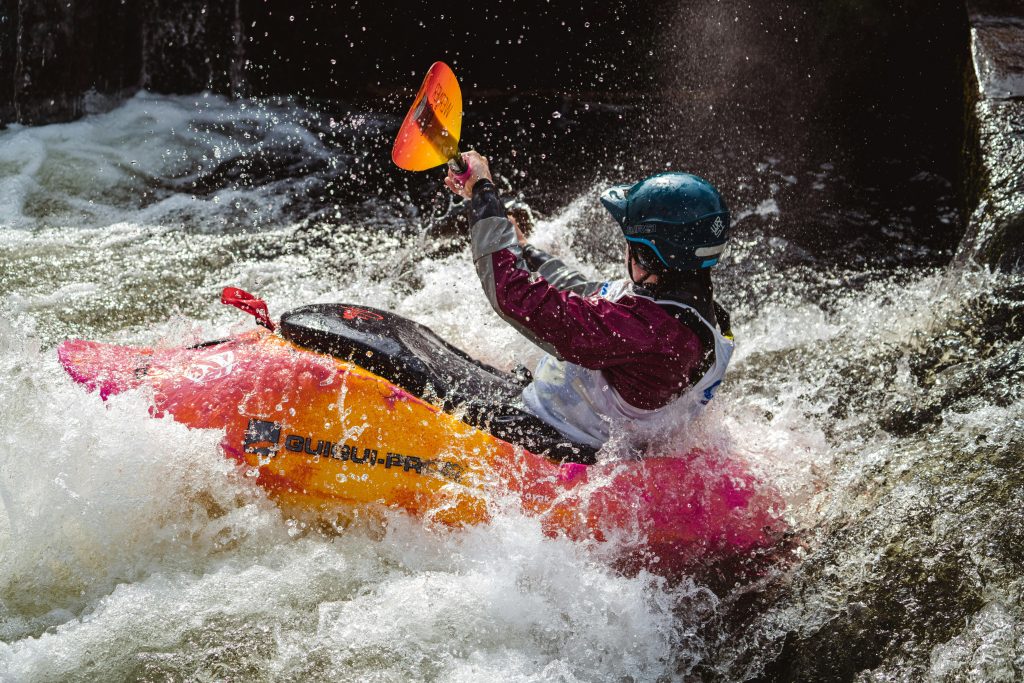
Anna liked the offer to kayak down the Jamao River with young people from the community, sleep in rural cabins, and taste artisanal chocolate made by local hands. She would finally get to know cacao! And so she moved there, leaving behind the option of golden sands and packaged fun.
She was received by Carlos Bencosme, a guide at Jamao Eco Tours, a community-based enterprise started in 2015 with support from the UNDP Small Grants Programme and the Ministry of Tourism, which 10 years later is an example of how a community transforms its landscape into an engine of sustainable development.
“You are not just here to watch, you will be part of our community, you will live and have fun with us these days,” he explained to the group of eight people.
* Social impact: More than 80 families participate, offering lodging, food, guided tours, and local products.
* Environmental impact: The cooperative operates with clear rules: no littering is allowed on the routes, the number of daily visitors is limited, and reforestation along the riverbanks is encouraged.
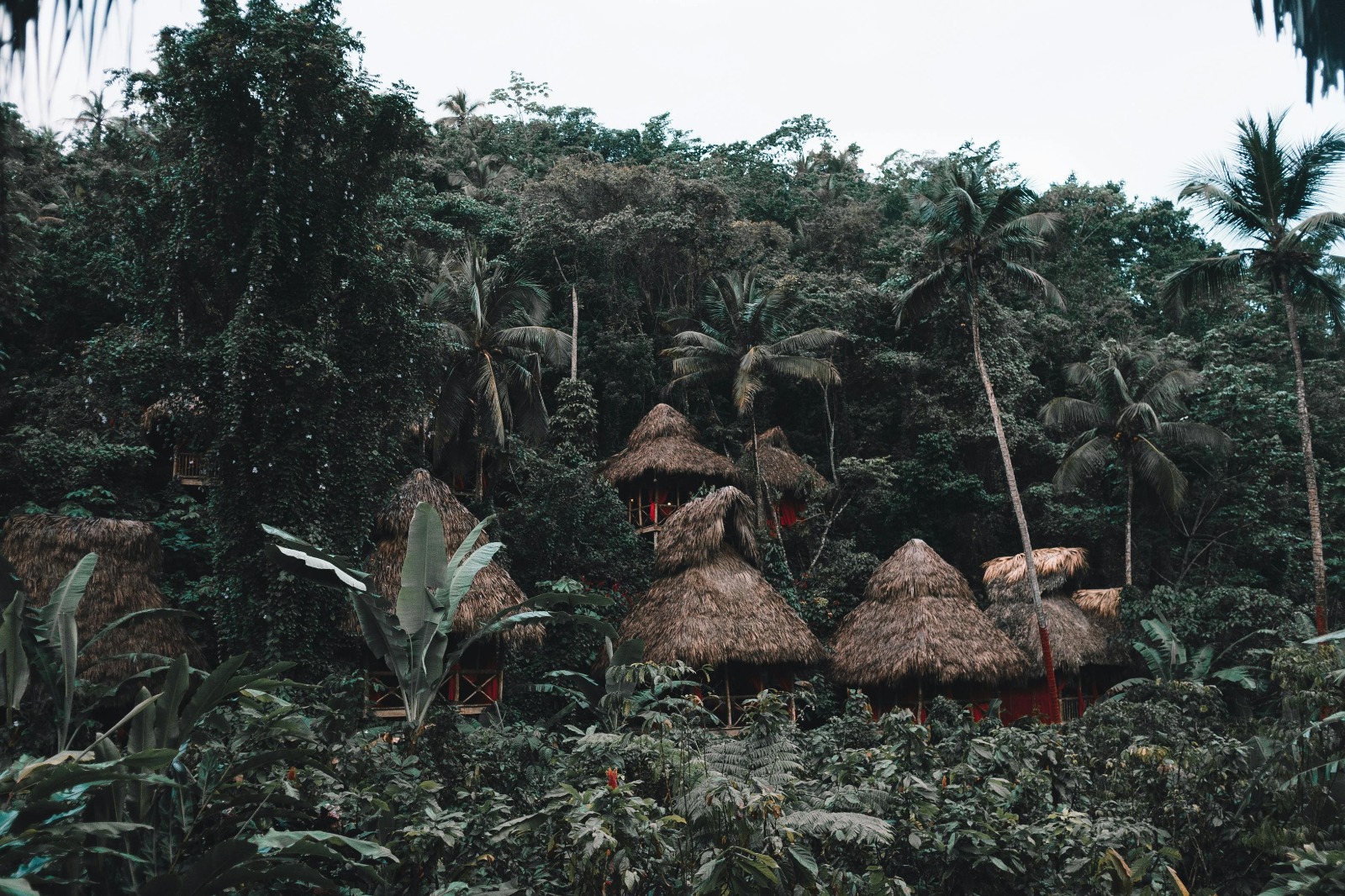
* Tourist experience: Visitors paddle, hike to hidden waterfalls, eat in community homes, and sleep in eco-lodges, sharing in the daily life of the families.
* According to figures from Asonahores (2024), this type of initiative already attracts more than 20,000 visitors a year, mostly Europeans and North Americans seeking authentic experiences.
“Here I learned that the tourist is an ally, not an invader,” says Carlos Bencosme, while pointing to the green canyon that cuts through the mountain.
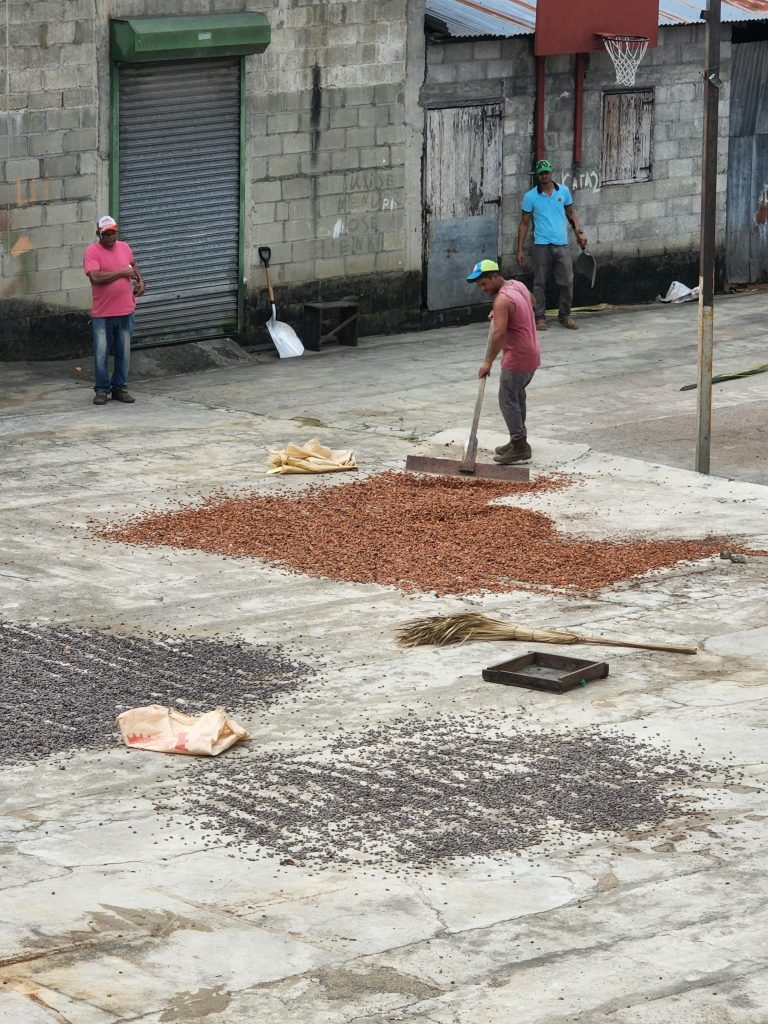
Anna was happy, because she visited a cocoa plantation, she was able to harvest it, peel it, extract the seed and more than that, in a mortar she pounded already dried seeds and from her own hands emerged the miracle, which she tasted with curiosity, to discover that it is bitter and delicious at the same time.
It was April, the time of the secondary harvest or "mitaca" and it was also the time for humpback whale sightings, so Anna and her friends headed to Samaná, amazed by the number of coconut trees they saw along the way.
Samaná: whales and shared tourism
The humpback whale season is a global emblem and a prime example of co-management between the community, scientists, and authorities. Since 1986, Samaná Bay has been a Marine Mammal Sanctuary, and today its management involves the Ministry of the Environment, NGOs such as CEBSE, local fishermen, and tour operators.
* Experience: Anna and her friends joined a small group on a converted fishing boat. “I felt the guide spoke with love, not with a rush to finish the tour,” she wrote in her travel journal.
* Community Impact: More than 200 families depend on the whale watching season, with incomes exceeding US$3 million annually (Ministry of Tourism figures, 2024).
* Environmental Regulations: Boat limits, reduced hours, and a mandatory 50-meter distance from whales are measures that have allowed the cetacean population to recover.
The whales made an appearance, and the group toured the “bridge,” which is actually not one bridge, but three small bridges built in the 1970s, connecting the coast of the city of Santa Bárbara de Samaná with Cayo Vigía, and from there with other nearby keys such as Cayo Linares and Cayo Cayo.
From there they set sail for Cayo Levantado, where Anna and her friends drank coconut water straight from the fruit, ate the pulp, fishin coconut sauce, shrimp with coconut, rice and pigeon peas with coconut, and coconut candy. And they wanted more coconut, so they visited a women's cooperative that processes the fruit and bought soaps, shampoos, handicrafts, and oil—all made from coconut.
“Whales taught us that without rules, tourism kills; but with rules , tourism saves,” stated teacher and scientist Idelisa Bonnelly, a pioneer of marine biology in the Dominican Republic, in interviews collected by the Propagas Foundation. The group heard about some apiaries and were put in contact with cooperatives in the mountains of the Central Cibao region where, in addition to strengthening beekeeping
, they have participated in sustainable rural tourism programs . There, Anna experienced beekeeping firsthand and tasted honeycomb with cacao (more cacao!), coffee, or mango. She discovered another facet of community-based tourism. * Social impact : Beekeepers sell directly to tourists and export to fairs, receiving income three times greater than in the local market. * Environmental impact : Each hive protects forests and pollinates crops. According to the FAO (2023), community-based beekeeping in the Dominican Republic has contributed to conserving more than 15,000 hectares of secondary forests. * Tourist experience : the visit includes lunch with the families, candle-making workshops and honey tasting.
“It’s tourism of flavor and awareness,” says María Ramírez, a beekeeper from Jarabacoa. “Tourists take home a jar of honey, but also the story of the person who produced it and an experience they’ll never forget.” And so, Anna and her new group of friends spent a whole month in the country, traveling to each place that offered them the opportunity to live different experiences.
Jarabacoa (La Vega)
* Social Impact: Local guide cooperatives and families offer rafting, hiking, and rural lodging; many young people find in these activities an alternative to migration.
* Environmental Impact: Located in the Yaque del Norte River basin, low-impact activities promote the conservation of rivers, pine forests, and waterfalls like Jimenoa and Baiguate.
* Unique Feature: It calls itself the “ecological capital” of the country, where tourism and nature intertwine in the mountains.
* Traveler experience: Paddling on community rafts, hiking through pine forests with guides who share local legends, and staying in eco-lodges where you dine with host families.
Constanza (La Vega)
* Social impact: Farmers' associations welcome tourists to agroecological farms, offering experiences in growing strawberries, vegetables, and flowers. The extra income strengthens the rural economy.
* Environmental impact: Surrounded by national parks (Valle Nuevo and Ébano Verde), sustainable agriculture and controlled tourism help reduce deforestation and conserve the cloud forest.
* Unique feature: It is the highest "enchanted valley" in the Caribbean (1,200 meters above sea level), with a temperate climate that contrasts with the rest of the island.
* Traveler experience: Harvest strawberries alongside farmers, hike along misty trails with community guides, and enjoy the mountain scenery while sharing high-altitude coffee.
The Ebano Verde Scientific Reserve, where the Progressio Foundation works in co-management with the State, deserves special mention with its community park rangers, educational trails, and a daily visitor limit.
* Social impact: Local youth work as official guides.
* Environmental impact: The reserve protects one of the last cloud forests in the Caribbean.
* Tourist experience: Anna participated in an interpretive tour where guides shared local legends and pointed out endemic plants.
In 2023, the International Union for Conservation of Nature (IUCN) recognized this type of co-management as a “regional paradigm,” where the community moves from being a spectator to becoming a guardian of the territory.
The south also exists.
Anna also wanted to know the other side of the country: the southern coast, very poor, less touristy, rugged, arid and wild, where the daily life of communities and a wild and bountiful nature go hand in hand.
Bahía de las Águilas (Pedernales)
* Social Impact: Fishing cooperatives and local families organize boat transportation and provide food (fresh fish and lobster). The income goes directly to the community in one of the poorest provinces in the country.
* Environmental Impact: Located within Jaragua National Park, part of the UNESCO-recognized Biosphere Reserve, it is one of the best-preserved pristine beaches in the Caribbean.
* Unique Feature: There are no hotels on the beach; visitors arrive by community boats or road and enjoy an untouched natural environment.
* Traveler Experience: Feel like you're stepping into a secluded paradise, accompanied by local guides who share local legends and offer fresh fish and seafood.
“Here I understood the luxury of simplicity,” Anna noted in her journal.
Oviedo Lagoon (Pedernales)
* Social Impact: More than 100 families depend on the lagoon's ecotourism, supplementing fishing with guide services, transportation, and the sale of handicrafts.
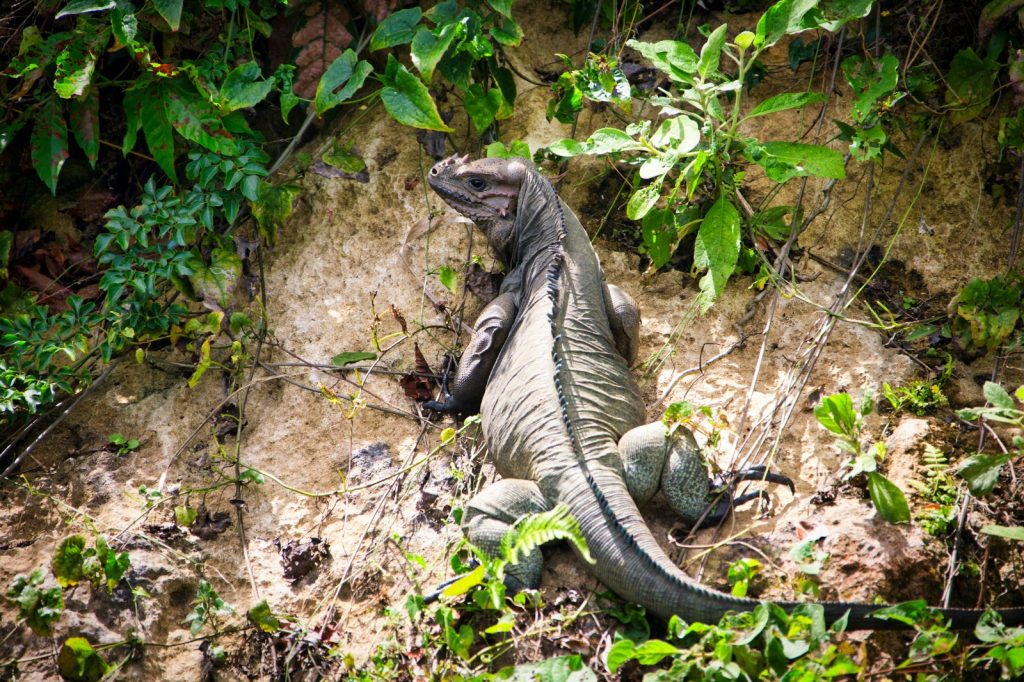
* Environmental Impact: A wetland of high biodiversity, habitat for pink flamingos, iguanas, and more than 60 species of migratory birds.
* Unique Feature: It is one of the few brackish lagoons in the Caribbean, with islets that serve as a refuge for birds and reptiles.
* Traveler Experience: Navigate in community boats while guides interpret the ecosystem and share life stories, with the opportunity to spot flocks of flamingos at sunset.
Baní: Las Calderas Dunes and Salt Flats
* Social Impact: Associations of young people and local families offer interpretive hikes, visits to the salt flats, and coastal cuisine, generating employment in an area with limited opportunities.
* Environmental impact: The dunes are a fragile and unique ecosystem in the insular Caribbean; the salt flats represent a low-impact traditional activity that keeps the local culture alive.
* Unique feature: An unexpected desert landscape in the heart of the Caribbean, where sand, sea, and salt combine in a singular environment.
* Traveler experience: Walk among giant dunes, learn about the artisanal salt-making process, and end the day with a seafood lunch prepared by families from Baní.
Other destinations of hope
Anna Müller's German journey wouldn't be complete without visiting the east, but the group was clear that they didn't want to go to a resort. Even less so after their experiences in the north and south, so off they went.
Parks and Nature Reserves:
East National Park / Cotubanamá (La Altagracia and El Seibo): hiking, caves, pristine beaches, marine and terrestrial biodiversity.
Bávaro Lagoon / Punta Cana: protected mangroves and wetlands, kayaking routes, and birdwatching.
Beaches and Marine Ecosystems
: Saona Island: part of the East National Park; eco-tours by boat, snorkeling, and interaction with local communities.
Catalina Island: nature tourism and diving with coral reefs.
Rural and Community Experiences:
Rural tourism projects in Miches: hiking, agroecological farms, birdwatching, and experiences with local producers.
Eco-lodges in Punta Cana and Bávaro: accommodations with a sustainable focus, environmental education, and ecotourism activities.
Bayahibe and Saona Island: Women's cooperatives sell handicrafts and food in Cotubanamá National Park, combining tourism with environmental education by funding conservation workshops.
Miches: Thisemerging destination coexists with large, luxurious hotels, sparking debate about the development model. At Laguna Redonda, local associations offer boat tours and fresh fish lunches, employing a small-scale tourism model that contrasts with the pressure from hotels.
A mosaic of experiences
Anna's 30-day trip became a mosaic of places where community and environment intertwine, with a wide diversity, with a common thread: a tourism that is not limited to observing landscapes, but integrates the people who inhabit them.
The World Tourism Organization estimates that 17% of European travelers prioritize local immersion experiences and contact with nature. Germany, Anna's country, tops that list, and this trip shows that tourism has another face: that of communities that understand sustainability is also a survival strategy.
Community-based ecotourism complements, diversifies, and enriches sun and beach tourism, which is the traditional way of viewing the Caribbean. When Anna returned to Germany, she brought back honey from the Cibao region, photos of whales, and the promise to paddle again on the Jamao or Jimenoa rivers, but most importantly, she was certain that tourism can be something else entirely: an encounter between people, a pact with nature, and a real opportunity for development for communities that refuse to be mere spectators.
The challenge is enormous: scaling up these initiatives without losing their essence. Examples already exist, like beacons of hope in a Caribbean country seeking to balance development, culture, and the environment.