SANTO DOMINGO – The “architecture of truth” is a concept that proposes transforming how real estate projects are communicated and managed, with the aim of restoring consumer trust. It is a proposal to establish transparency as a fundamental pillar of real estate development in the Dominican Republic.
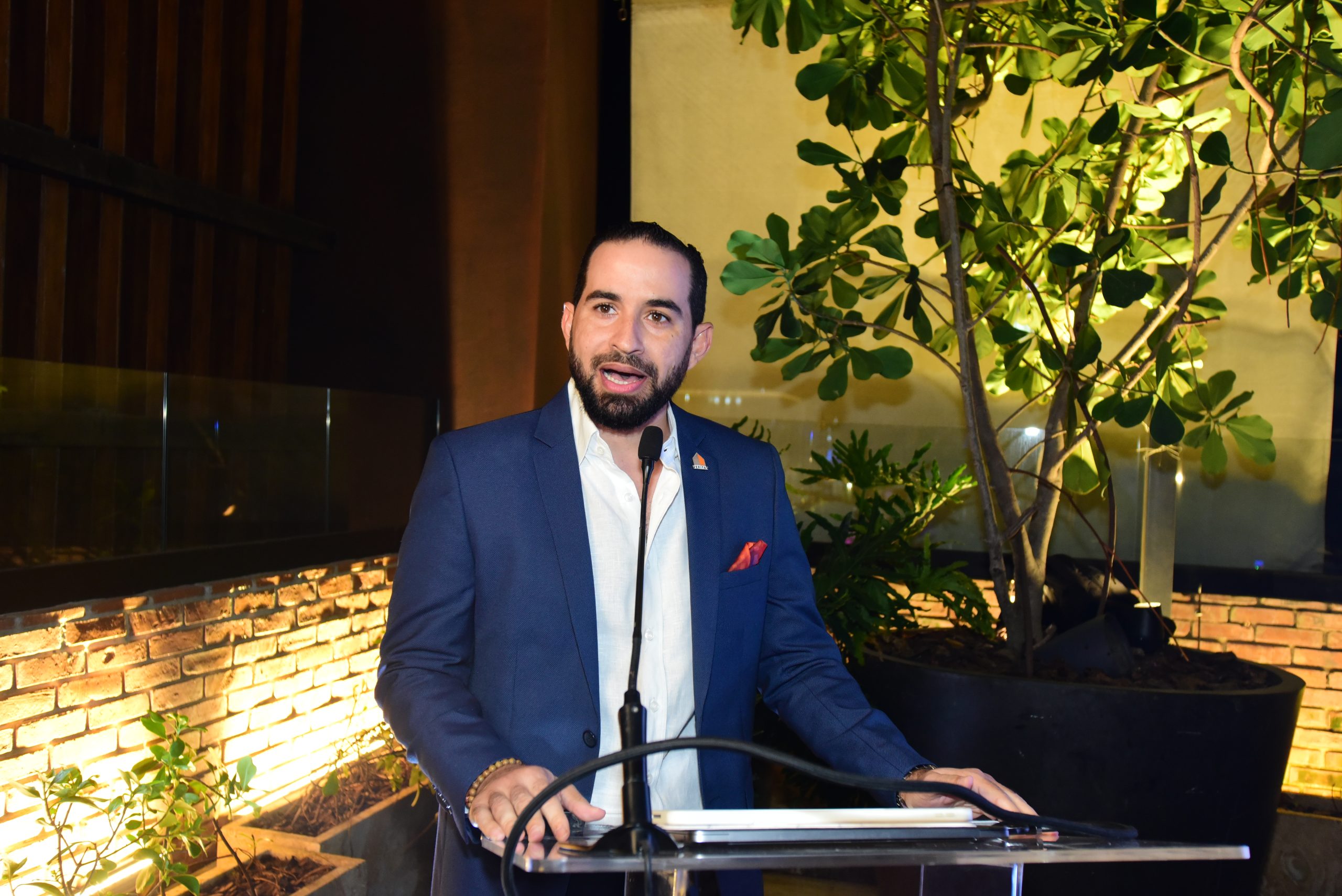
Businessman Jordi Amargós, CEO and founder of Veritat RD, addressed the issue during the closing ceremony of the first diploma course for developers from Tur Formación Inmobiliaria, held this week, where he emphasized the need to dismantle practices that, he said, no longer withstand market scrutiny.
“We must acknowledge the existence of what we call 'facade architecture.' It's an illusion,” he said, referring to projects that are promoted without revealing their limitations. He also pointed out that “delivery schedules ignore the harsh reality of permits” and that
many financial plans “are based on an act of faith.”
During his presentation, "The Truth Sells," the professional argued that the industry faces a central challenge: credibility. The relationship between buyers and developers has been affected by a lack of clear information
about risks, processes, and the actual stages of projects, which has generated a growing demand for greater transparency and accuracy.
Amargós explained that part of the solution lies in communicating from the perspective of technical vulnerabilities, revealing what is usually hidden. “Many developers choose silence and evasion… but showing weaknesses creates a snowball effect that generates trust and empathy,”
he stated. He added that consumers no longer tolerate ambiguous answers: “Dominican customers are tired of guessing.”
Another point raised by the real estate developer was the importance of accurately communicating the status of permits. “Most people say, ‘the permit is coming soon,’ but what
if we changed that approach and told the client what stage those permits are at?” he suggested. He explained that this simple change strengthens the business relationship and reduces uncertainty.
He also warned that the lack of transparency directly impacts business results. “70% of the country’s projects fail to achieve the absorption rate they promise,” he stated, explaining that this situation necessitates rethinking how projects are advertised, sold, and how
customer expectations are managed.
Truth to build trust
One of the central elements of the model is the transparent purchase receipt, a tool that, as he explained, helps eliminate speculation and allows the buyer to know the dimensions, prices, actual areas, and specific characteristics of the property. “It’s part of
that architecture of truth,” he stated.
Amargós maintained that transparency must be part of the process from the very beginning. “We don’t hide anything, we certify it,” he stated, describing the methodology his company applies. He added that “successful marketing is a direct result of building with
complete transparency from the ground up.”
He noted that a perception of doubt toward agents and developers prevails in the country. “People’s first impression is that we lie, and that’s why it’s so hard for them to believe the truth,” he said, emphasizing the need to adopt clearer and more consistent practices.
In closing, he called for a transformation in how real estate projects are presented. “Let’s stop selling cement and start selling trust; let’s stop selling facades and start selling the architecture of truth,” he said.
He concluded with a biblical reference: “The latter glory will be greater than
the former.” He reminded everyone that transparency must accompany the dynamism of the market. “We have a larger and growing housing deficit today,” he stated, emphasizing that this need demands responsibility and clarity at every stage of development.